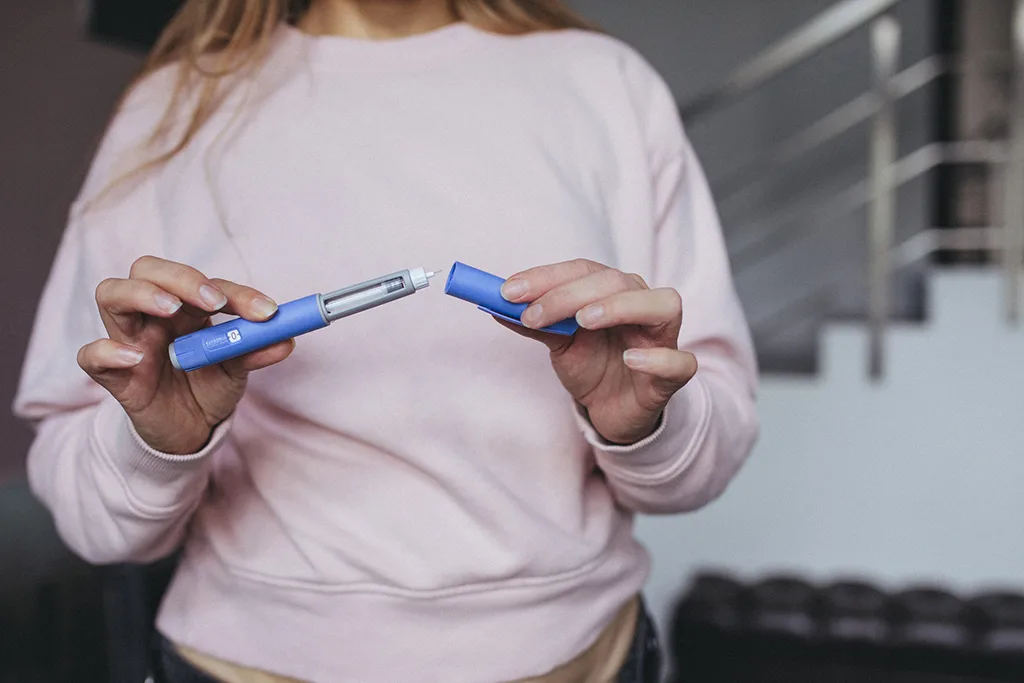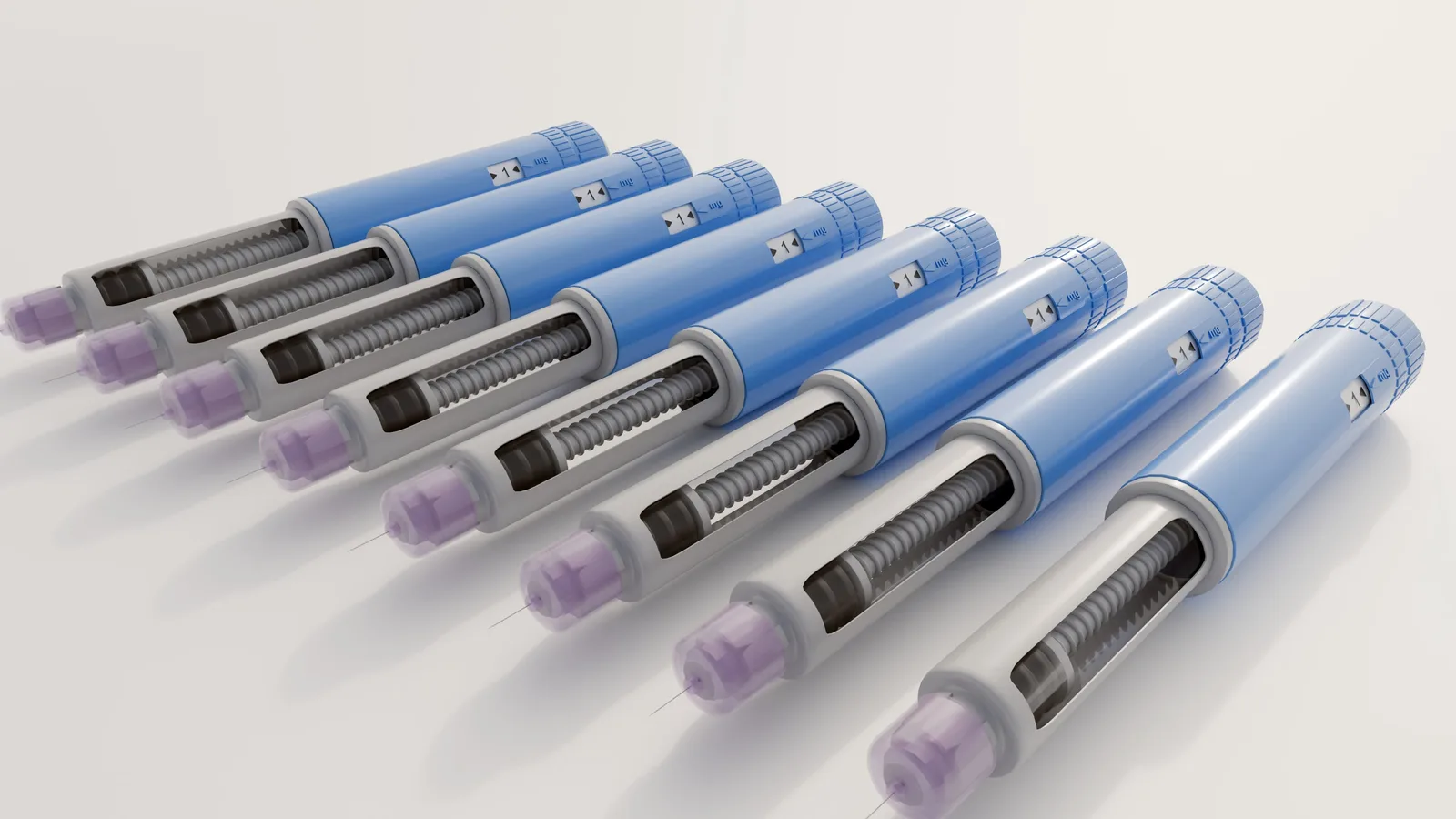

GLP-1 medications, such as semaglutide (Ozempic) and tirzepatide, are glucagon-like peptide-1 receptor agonists primarily used for type 2 diabetes and weight management. By mimicking the GLP-1 hormone, they slow gastric emptying, reduce appetite, and improve insulin sensitivity, leading to significant weight loss. But as adoption surges—with J.P. Morgan projecting approximately 25 million Americans on GLP-1 treatment by 2030, up from around 10 million in 2025—these drugs are restructuring consumer behavior across retail categories. Clootrack's analysis of 95,854 GLP-1 consumer conversations from January 2022 to December 2025, extracting 340,725 opinions via its Voice of Customer platform, reveals demand reorganization rather than contraction.
What Clootrack's Analysis Reveals About GLP-1 Retail Impact
Clootrack, recognized by OpenAI for processing over 100 billion tokens in Voice of Customer analytics, mapped how GLP-1 adoption shifts demand in grocery, apparel, beauty, and fitness before it appears in transaction data. This is crucial because standard sales forecasting relies on monthly cycles, while GLP-1 users follow weekly injection rhythms. Oral formulations launching in 2026 will accelerate this trend, making it a retail planning imperative.
The study highlights four distinct purchase rhythms, plus a cross-category spending reorganization. Understanding these helps retailers align promotions, merchandising, and inventory to capture emerging demand.
Rhythm #1: The Dose Calendar is Running Your Grocery Aisle
GLP-1 users experience a weekly cycle post-injection: Days 1-3 feature peak appetite suppression and nausea, driving purchases of ginger ale, crackers, and soup. Days 4-5 stabilize, and Days 6-7 see appetite return, boosting 'real groceries.'
'The first 3 days after my dose, I'm buying ginger ale, crackers, and soup. The last 3 days, I'm buying real groceries. My cart looks completely different depending on where I am in my week.'
Retailers' monthly promotions miss this pulse. Stock-up deals timed for early-week nausea or late-week re-engagement can boost sales. Tools like symptom trackers (e.g., Shotlee for logging nausea and appetite shifts) help consumers predict their cycles, indirectly influencing shopping patterns.
Rhythm #2: Fitting Rooms Full, Baskets Empty in Apparel
Apparel traffic rises, but conversion lags. Among 6,464 body image mentions, positive sentiment is only 48.5%. Users feel lighter but hesitate on sizing due to unstable weight loss.
'I went shopping three times last month and bought nothing. I don't know what size I am. I don't know what fits. I just stood there and left.'
This psychological lag isn't solved by discounts, which risk margin erosion. Retailers should offer try-on events, size transition guides, or versatile wardrobe bundles to build confidence and conversions.
Rhythm #3: Beauty Spend Shifts to Damage Control
Beauty demand surges not for celebration, but repair. Cosmetic interventions grew 927.8% month-over-month, driven by 'Ozempic face'—facial volume loss causing hollow eyes, cheek deflation, skin laxity, and premature aging. Ozempic face mentions rose 140.3% month-over-month, with only 15% positive sentiment.
'I lost 80 pounds and I look... older? My face is hollow. My neck has this weird jowl thing. My clothes hang on me but not in a good way—my arms look like bat wings in sleeveless tops.'
Consumers seek collagen, firming serums, and red light devices as 'repair systems.' Retailers must re-merchandise beauty aisles for structural repair, bundling products for GLP-1 users addressing sagging skin and volume loss.
Precision tracking for your journey
Join thousands using Shotlee to accurately track GLP-1 medications and side effects.
📱 Get the Shotlee App
Track your GLP-1 medications, peptides, and health metrics on the go with our mobile app!
Rhythm #4: Fitness Focuses on Preservation, Not Aspiration
Mobility restoration dominates, with walking at 95.7% positive sentiment and 120.4% month-over-month growth. Anxiety over muscle loss during rapid weight reduction fuels demand for entry-level gear: supportive shoes, protein for retention, weighted vests, and validation wearables.
'I was so focused on just getting some weight off me that I said I'll just go walking in the beginning... And now just over 35 lb down I'm regretting that. I wish I would have done at least 10 minutes of body weight exercises or wearing a weighted vest.'
This 'preservation economy' prioritizes low-barrier activities. Retailers can capitalize with walking bundles, muscle-preserving supplements, and fitness trackers tailored to GLP-1 users.
The Fifth Shift: Cross-Category Spending Reorganization
Beyond the four rhythms, a fifth domain reveals spending sequences: where money flows first as adoption matures. The full analysis, including role-specific planning, is in Clootrack's 2026 report: The GLP-1 Effect on U.S. Retail: What Voice of Customer Data Reveals in 2026.
Practical Implications for Retailers and GLP-1 Users
For retailers: Shift from monthly to weekly forecasting. Use VoC data to detect formation signals before sales confirm them. Adapt grocery promotions to dose cycles, apparel to body confidence tools, beauty to repair kits, and fitness to preservation gear.
For consumers on GLP-1 therapy: Weekly cycles affect shopping—stock nausea aids early, groceries late. Discuss muscle preservation with doctors; consider resistance training. Monitor side effects like facial changes and explore dermatologist-recommended skincare.
Compared to traditional weight loss, GLP-1's rapid, medication-driven changes create unique retail friction. Alternatives like diet/exercise lack this dose-driven rhythm.
Key Takeaways: What This Means for Retail and Metabolic Health
- GLP-1 demand is reorganizing, not contracting—act on weekly pulses.
- Grocery: Time promos to Days 1-3 nausea vs. 6-7 appetite.
- Apparel: Address sizing hesitation with guidance.
- Beauty: Bundle for 'Ozempic face' repair.
- Fitness: Promote walking and muscle retention tools.
- VoC data bridges the gap sales data misses.
Methodology and Next Steps
Findings from 95,854 U.S. conversations (forums, social, reviews) analyzed 340,725 opinions with 98% accuracy via AI thematic detection. Directional signals, not sales figures. Download Clootrack's report at www.clootrack.com. The window to adapt is now, before routines harden.
In 2026, GLP-1's retail impact will define performance. Sales data shows what happened; VoC reveals what's forming.