
GLP-1 Drugs: Reshaping Consumer Demand and Forcing Big Food to Adapt
GLP-1 drugs, appetite-suppressing medications primarily prescribed for diabetes and weight loss, are fundamentally altering U.S. food and beverage demand. Global companies from PepsiCo to Coca-Cola are responding by focusing on shorter ingredient lists and smaller pack sizes projected into 2026. This shift comes as adoption of GLP-1 drugs more than doubled in the 12 months to December, with about 20 per cent of U.S. households now including at least one user, according to a PwC analysis.
These glucagon-like peptide-1 receptor agonists, such as semaglutide (found in brands like Ozempic and Wegovy) and tirzepatide (in Mounjaro and Zepbound), mimic hormones that regulate blood sugar and slow gastric emptying. By enhancing feelings of fullness, they reduce overall calorie intake—GLP-1 users on average consume 40 per cent fewer calories, per PwC's analysis of Numerator data. This physiological change drives broader dietary shifts: dessert consumption down 84 per cent, alcohol use down 33 per cent, and fresh produce intake up more than 70 per cent. Family grocery baskets are 4-6 per cent smaller, while single-person households see up to 9 per cent declines.
The Growing Awareness in Corporate Earnings Calls
Companies that previously adopted a wait-and-see attitude now view GLP-1s as a permanent fixture. So far this year, nearly three dozen companies outside the healthcare industry have mentioned GLP-1 drugs or weight loss on their earnings conference calls—up from 14 for the same period a year ago and just five two years earlier, according to LSEG data.
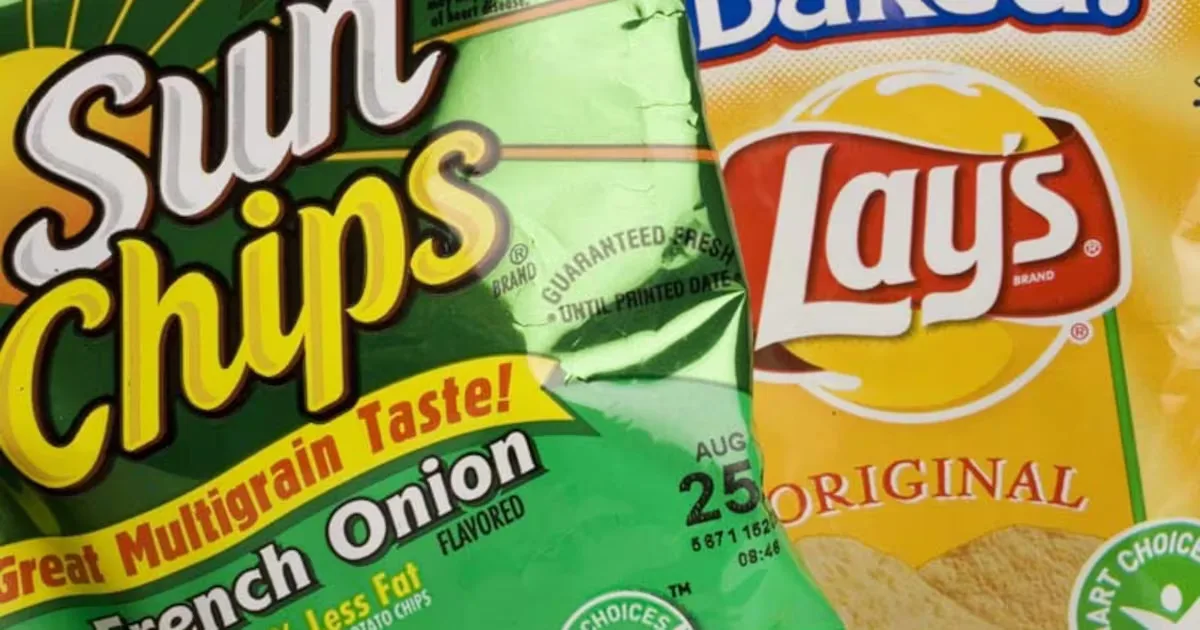
Diet changes linked to GLP-1 drug use could result in up to US$12 billion in snack sales lost over the next decade, per EY-Parthenon estimates. This economic pressure is prompting aggressive adaptations across the sector.
Key Industry Leaders' Responses
- PepsiCo: Launched "Simply NKD" to reformulate snacks and is rebranding Lay's and Gatorade by removing artificial colors. CEO Ramon Laguarta announced testing mini-meal options with Sabra and Siete brands in the U.S. at the Consumer Analyst Group of New York (CAGNY) conference. "I think there are more opportunities than threats, but there are both," Laguarta said on a post-earnings call.
- Coca-Cola: Ramped up production for protein-infused Fairlife milk. Incoming CEO urged faster innovation on his first analyst call.
- Kraft Heinz: New chief halted a planned split and announced $600 million in investments to revive staples like Oscar Mayer meat and cold cuts.
- General Mills: Launched higher protein Cheerios in December 2024. CEO Jeffrey Harmening stated at CAGNY, "We expect GLP-1 and other anti-obesity drugs to have a lasting influence in the food and nutrition landscape, nudging some consumers towards smaller portions and more nutrient-dense protein and fiber-forward foods." Capital expenditure is jumping as much as 23 per cent this year, per LSEG data.
- Conagra Brands: Investing in Slim Jim meat sticks, nuts, and seeds; issued a report on rising demand for protein-forward, portion-controlled foods among Gen Z and millennials.
"There's not anyone out there that's not designing, putting R&D dollars against this trend," said Peter Mangan, managing director at Portage Point Partners.
How GLP-1 Medications Work and Their Broader Dietary Impact
GLP-1 drugs activate receptors in the gut and brain, promoting satiety and reducing hunger signals. This leads to not just weight loss but sustained changes in eating patterns. Peter ter Kulve, CEO of Magnum Ice Cream, noted GLP-1 users continue treats but show "a stark reduction of mindless munching and binge eating."
For patients, these shifts emphasize the need for nutrient-dense choices. While calorie reduction aids metabolic health, maintaining protein, fiber, and micronutrients prevents deficiencies. Common side effects like nausea can further suppress appetite initially, but long-term users adapt by prioritizing whole foods.
Practical Guidance for GLP-1 Users
If you're on GLP-1 therapy, discuss dietary adjustments with your healthcare provider. Focus on high-protein, fiber-rich foods to sustain energy and muscle mass—aligning with Big Food's new offerings. Tools like Shotlee can help track symptoms, side effects, and medication schedules alongside dietary intake for better management.
Precision tracking for your journey
Join thousands using Shotlee to accurately track GLP-1 medications and side effects.
📱 Get the Shotlee App
Track your GLP-1 medications, peptides, and health metrics on the go with our mobile app!
Compared to traditional diets, GLP-1s offer superior adherence due to their pharmacological support, but they're not a standalone solution. Pairing with behavioral changes amplifies benefits for obesity and related conditions like type 2 diabetes.
Opportunities for Smaller Businesses and Ripple Effects
Smaller players are capitalizing too. Snap Kitchen, an Austin-based company serving 35,000 customers annually, expanded its menu with higher-fiber, lean-protein products promoting satiety. CEO Mitchell Raisch said, "The GLP-1 opportunity has sharpened our focus and accelerated our pipeline."
"We're just starting to scratch the surface on the ripple effects of this type of physiological disruption," noted Ali Furman, PwC U.S. consumer markets leader.
Safety Considerations and Long-Term Implications
While transformative, GLP-1 drugs carry risks like gastrointestinal issues, potential muscle loss with rapid weight reduction, and rare thyroid concerns. Monitoring is key, especially as usage grows. The food industry's pivot underscores their enduring role in metabolic health.
Big Food's $600 million+ investments signal confidence in sustained demand for healthier alternatives, potentially benefiting consumers seeking balanced options amid GLP-1 use.
Key Takeaways: What This Means for Patients and the Food Landscape
- GLP-1 drugs are driving 20% U.S. household adoption, slashing snacking and boosting produce.
- Big Food is investing heavily in protein, fiber, and portion control to adapt.
- Expect smaller packs, cleaner labels, and mini-meals as standards by 2026.
- Patients: Prioritize nutrition; consult doctors on diet synergies.
- Industry-wide: Up to $12B snack sales at risk, but opportunities in health-focused products.
Conclusion: Navigating the New Era of Food and GLP-1 Therapy
The convergence of GLP-1 drugs and food industry innovation marks a pivotal shift toward sustainable, health-oriented consumption. As companies like PepsiCo and General Mills lead with reformulations, patients gain access to supportive products. Stay informed on these changes, track your progress, and leverage professional guidance for optimal metabolic health outcomes.