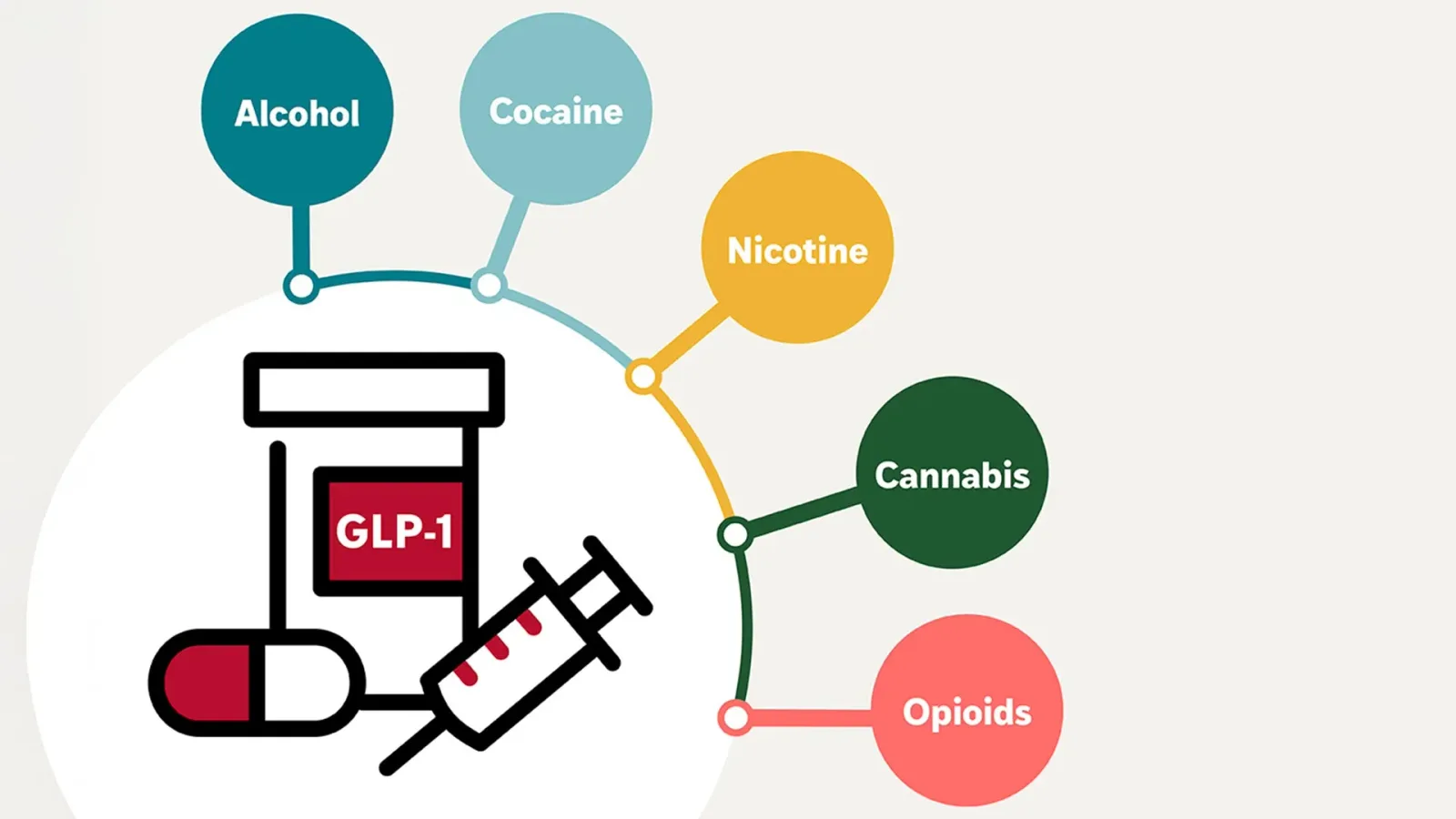

GLP-1 RAs Linked to Lower Mortality in Brain Metastases, T2DM Patients
A groundbreaking study highlights the potential of GLP-1 receptor agonists (GLP-1 RAs) in improving survival for patients with brain metastases (BM) and type 2 diabetes mellitus (T2DM). Published online on March 11 in JAMA Network Open, the research reveals a significant association between GLP-1 RA use and reduced all-cause mortality. This finding is particularly relevant for oncology patients managing T2DM alongside aggressive brain tumors.
Study Overview: Key Findings on GLP-1 RAs and Survival
Conducted by Kuan-Yu Chi, M.D., from the Albert Einstein College of Medicine in Bronx, New York, and colleagues, the retrospective cohort study examined the link between GLP-1 RA use and survival in patients with cancer, BM, and T2DM. The exposed cohort consisted of adult patients prescribed GLP-1 RAs within six months before their first instance of T2D and BM diagnosis. The control cohort included patients with no GLP-1 RA use during the same timeframe.
From a pool of 19,234 patients, researchers used propensity score matching to create balanced groups, resulting in 850 GLP-1 RA users matched to an equal number of nonusers. The results were striking: all-cause mortality was significantly lower in association with GLP-1 RA use, with a hazard ratio (HR) of 0.63. This indicates a 37% reduction in mortality risk.
The mortality benefit was consistent across major cancer types—such as lung, breast, and melanoma primaries that commonly metastasize to the brain—and across most GLP-1 RA types, apart from liraglutide. It also held when compared to other antidiabetes therapies, suggesting GLP-1 RAs may offer unique advantages in this high-risk population.
Understanding Propensity Score Matching in This Context
Propensity score matching is a statistical technique that balances baseline characteristics between groups, minimizing confounding factors like age, cancer stage, or comorbidities. By applying this method, the study strengthens the reliability of the observed association, though it remains observational and calls for confirmatory prospective trials.
Mechanisms: How GLP-1 RAs May Benefit Brain Metastases and T2DM
"These results build upon existing evidence that GLP-1 receptor activation modulates pathways relevant to neuro-oncologic health, including attenuation of neuroinflammation, preservation of blood-brain barrier integrity, and reduction of oxidative stress and mitochondrial dysfunction," the authors write.
GLP-1 RAs, such as semaglutide, dulaglutide, and exenatide, mimic the gut hormone GLP-1 to regulate blood glucose, promote weight loss, and exert pleiotropic effects beyond glycemic control. In the brain, GLP-1 receptors are expressed in neurons and glia, potentially explaining neuroprotective roles.
- Neuroinflammation reduction: Cancer-related inflammation exacerbates BM progression; GLP-1 RAs dampen microglial activation.
- Blood-brain barrier (BBB) preservation: BM disrupts the BBB, allowing tumor invasion; GLP-1 signaling may tighten endothelial junctions.
- Oxidative stress and mitochondrial health: T2DM and cancer both impair mitochondria; GLP-1 RAs enhance biogenesis and reduce reactive oxygen species.
These mechanisms align with preclinical data showing GLP-1 RAs slowing tumor growth in glioblastoma models and improving chemotherapy tolerance in diabetic rodents.
Clinical Context: T2DM, Brain Metastases, and Cancer Care
Brain metastases affect up to 40% of cancer patients, with T2DM prevalence around 20-30% in this group due to shared risk factors like obesity and insulin resistance. Hyperglycemia worsens outcomes by fueling tumor proliferation and impairing immunotherapy efficacy. Standard T2DM treatments like insulin or sulfonylureas may promote weight gain and hypoglycemia, complicating oncology management.
Precision tracking for your journey
Join thousands using Shotlee to accurately track GLP-1 medications and side effects.
📱 Get the Shotlee App
Track your GLP-1 medications, peptides, and health metrics on the go with our mobile app!
GLP-1 RAs stand out for their cardiovascular benefits (e.g., from trials like LEADER and SUSTAIN-6) and potential anticancer signals. Unlike metformin, which has mixed oncology data, GLP-1 RAs show promise in reducing obesity-driven metastases. The exclusion of liraglutide in the benefit may relate to its shorter half-life or dosing differences, warranting further subtype analysis.
Comparison to Other Antidiabetes Therapies
In the study, GLP-1 RAs outperformed alternatives like DPP-4 inhibitors, SGLT2 inhibitors, and biguanides in mortality reduction. For instance, while SGLT2 inhibitors excel in heart failure, their brain-specific effects are less studied. This positions GLP-1 RAs as a preferable option for T2DM patients with BM.
Patient Guidance: Who Might Benefit and Next Steps
This study does not prove causation but suggests GLP-1 RAs could be prioritized for T2DM patients newly diagnosed with BM. Ideal candidates include those with obesity, poor glycemic control, or high cardiovascular risk. Patients should discuss with oncologists and endocrinologists, considering factors like renal function (GLP-1 RAs require eGFR >30 mL/min) and gastrointestinal tolerance.
Common side effects include nausea (20-40% initially), vomiting, and diarrhea, which often resolve. Rare risks like pancreatitis or thyroid tumors necessitate monitoring. Tools like Shotlee can help track symptoms, side effects, or medication adherence during treatment.
Safety Considerations in Oncology
No increased BM progression was noted, and GLP-1 RAs' weight loss may aid stereotactic radiosurgery outcomes. Drug interactions with chemotherapy are minimal, but dehydration from GI effects requires vigilance.
Implications for Research and Practice
These findings expand GLP-1 RAs' role beyond cardiometabolic disease into neuro-oncology. Future randomized trials, such as those evaluating semaglutide in BM cohorts, are needed. Meanwhile, clinicians may consider GLP-1 RAs earlier in T2DM management for cancer patients with BM.
Key Takeaways
- GLP-1 RA use linked to 37% lower all-cause mortality (HR 0.63) in matched BM + T2DM patients.
- Benefit consistent across cancers and most GLP-1 RAs (except liraglutide) vs. other therapies.
- Mechanisms include neuroprotection via reduced inflammation and BBB preservation.
- Discuss with providers; monitor for GI side effects.
- Observational data—personalized advice essential.
Conclusion
For patients with brain metastases and T2DM, GLP-1 receptor agonists offer a promising association with improved survival, grounded in the JAMA Network Open study by Chi et al. By addressing hyperglycemia while potentially shielding the brain, these agents could transform dual-disease management. Always consult healthcare professionals for individualized care, as statistical trends do not dictate personal outcomes.
Disclaimer: Statistical data provide general trends and do not pertain to individuals. Individual factors vary greatly. Seek personalized medical advice.