
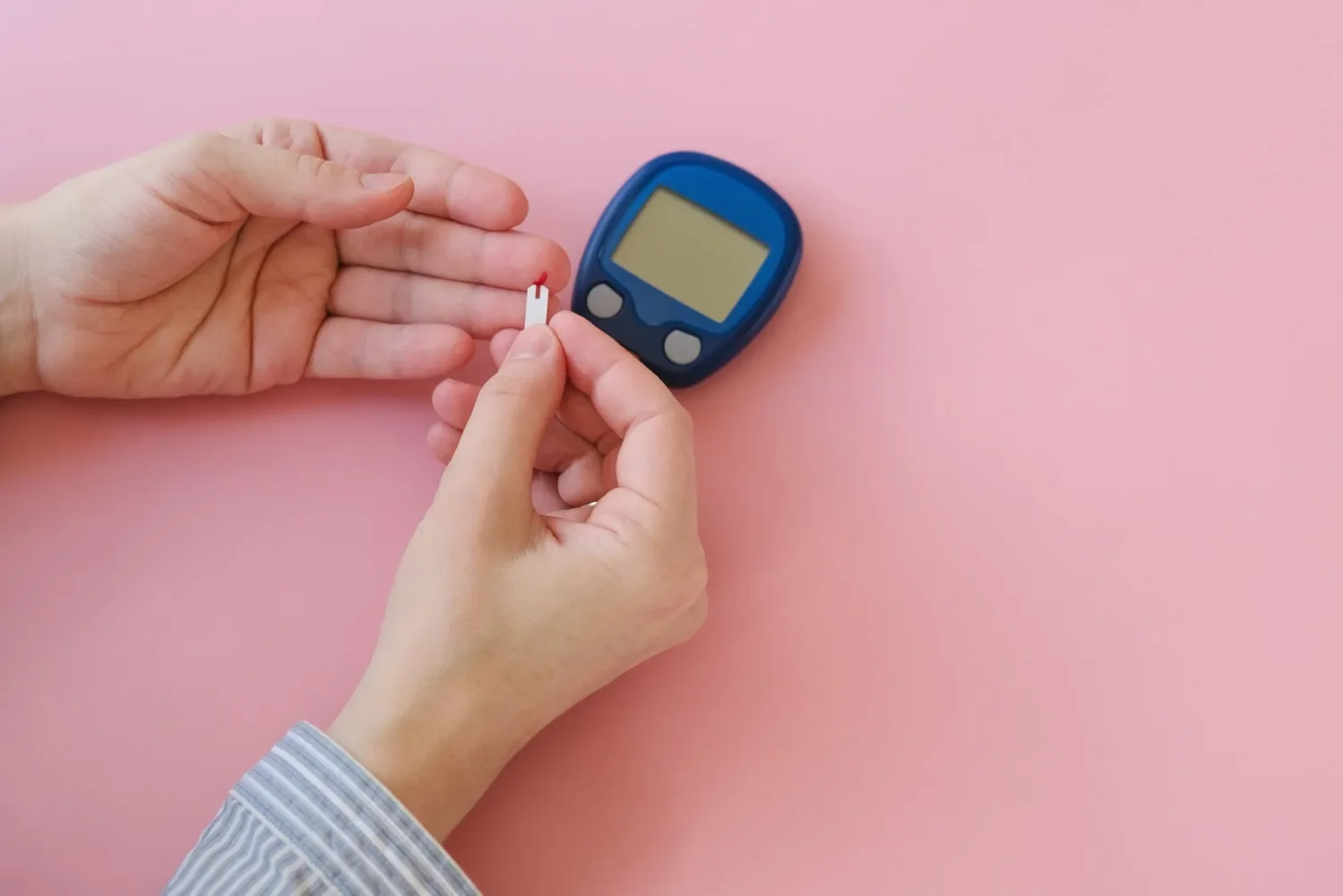

Research indicates that GLP-1 therapies offer enhanced weight benefits compared to metformin in adolescents diagnosed with type 2 diabetes. The study highlights comparable glycemic control with GLP-1 drugs but superior weight reduction.
On this page
- GLP-1 Medications Outperform Metformin for Weight Management in Teens with Type 2 Diabetes
- Challenges in Treating Youth-Onset T2D
- Exploring High-Potency GLP-1 Therapies
- Study Design and Participant Details
- Participant Demographics and Treatment Profiles
- Glycemic and Weight Outcomes
- Efficacy and Safety Considerations
- Study Limitations and Future Research
Source Information
Originally published by News-Medical.net.Read the original article →
Read next
Keep exploring
More on semaglutide
Articles covering semaglutide dosing, side effects, and clinical updates.

Health & Wellness
What's the Deal with Peptides? The Hyped Market Under FDA Review
An in-depth look at the FDA's review of unregulated peptide therapy, the safety concerns raised by experts, and the conflict between industry demand and clinical evidence.
8 min read
Health & Wellness
Eli Lilly, Novo Nordisk Address Awareness Gap for Medicare’s $50 GLP-1 Program
Learn how the new Medicare GLP-1 Bridge program works, which drugs are covered, and why major pharmaceutical companies are leading the awareness push for the $50 copay initiative.
8 min read
Medical Research
Eli Lilly's Retatrutide Shows Cardiovascular and Diabetic Benefits in Trials
Eli Lilly's investigational drug, retatrutide, has shown promising results in clinical trials, offering substantial weight loss and significant improvements in cardiovascular health and type 2 diabetes management.
7 min readSame topic: Type 2 Diabetes

Medical Research
Semaglutide Offers Kidney Protection in Type 2 Diabetes and CKD, JACC Study Confirms
New findings from a major subgroup analysis of the FLOW trial, published in the Journal of the American College of Cardiology, demonstrate that semaglutide offers significant and consistent kidney protection for adults living with type 2 diabetes and chronic kidney disease (CKD). This benefit extends to individuals regardless of their existing heart disease, heart failure, or elevated cardiovascular risk.
9 min read
Health
Fat Jabs Slash Alcohol-Related Hospitalisations by More Than a Quarter
Recent analysis indicates that GLP-1 weight loss medications significantly reduce the risk of alcohol-related hospital admissions by approximately 26 percent compared to other diabetes treatments.
8 min read
Health
Doctors Warn a New GLP-1 Finding May Raise Your Risk of Smell Loss
Researchers analyzed nearly 877,000 patients and found a significant link between GLP-1 receptor agonists and sensory disturbances.
8 min readMore in Health

Health
Using medications like Ozempic prior to pregnancy could heighten your chances of...
New studies indicate that halting popular GLP-1 medications before or shortly after conception results in more substantial weight increases during pregnancy and elevated chances of serious issues for both mother and child. This comes amid rising usage of these drugs for weight management and diabetes control. Experts emphasize the need for further investigation into balancing pre-pregnancy advantages with post-discontinuation risks.
4 min read
Health
Wegovy Pill Approved by FDA for Weight Management: Key Details
The Food and Drug Administration (FDA) has given the green light to Novo Nordisk's oral Wegovy pill, a semaglutide medication, for weight loss management. This new option offers an alternative to injectable medications for individuals struggling with obesity or overweight conditions. Clinical trials have demonstrated significant weight loss results.
3 min read
Health
Ozempic Arrives in India, Weight Loss Medication Priced Under $25 Weekly
The weight loss drug Ozempic has been introduced in India by Novo Nordisk, with a weekly cost of $24.35 for 0.25mg doses. This move occurs amidst increasing global demand for weight management solutions. India represents a significant market due to its high rates of type 2 diabetes and obesity.
2 min read