
GLP-1 Envy Was Just the Beginning: Hims & Hers Super Bowl Ad
Americans tuning into the Super Bowl encountered a bold pitch from telehealth giant Hims & Hers: everyday people can access the elite, billionaire-style healthcare reserved for the wealthy. The ad opens with the stark provocation, "Rich people live longer," followed by a montage spoofing wellness-obsessed icons like Bryan Johnson bathing in red light, Jeff Bezos launching rockets while buffed up, and Kris Jenner's facelift. This GLP-1 envy, sparked by celebrities using drugs like Wegovy, has evolved into broader demand for peptides and testosterone therapies.
The Hims & Hers Super Bowl Ad: Selling Elite Health Access
Dan Kenger, chief design officer at Hims & Hers, described the actors as "symbols of an intimidating, members-only healthcare culture." Yet the parallels to real billionaires are unmistakable. The voiceover drives home the divide: "They get the best of everything. So why don't you?"
Hims & Hers positions itself as a gateway to concierge-level care, offering diagnostic blood testing, hormone therapy, and personalized treatments on demand. Kenger noted, "America's healthcare is a tale of two systems: one elite, proactive tier for the wealthy, and a broken, reactive one for everyone else." While their offerings may seem mundane compared to facelifts, the ad emphasizes accessibility—for a price.
How Telehealth Platforms Like Hims & Hers Operate
Telehealth services enable out-of-pocket payments for quick consultations and prescriptions. Ads often downplay the required virtual provider chat, presenting healthcare as a direct company transaction. Hims & Hers' spot mentions doctors are available, with fine print noting consultations are mandatory before treatment.
These platforms function like an "Amazon for drugs," easing access to controlled substances such as Adderall and testosterone via compounding pharmacies. These produce cheaper, nearly identical versions of name-brand drugs without high costs. In theory, prescriptions follow thorough assessments, but recent sanctions against two telehealth practices for improper stimulant prescribing highlight risks. (Hims & Hers has not faced federal investigations for its practices.)
From GLP-1 Envy to Broader Wellness Demands
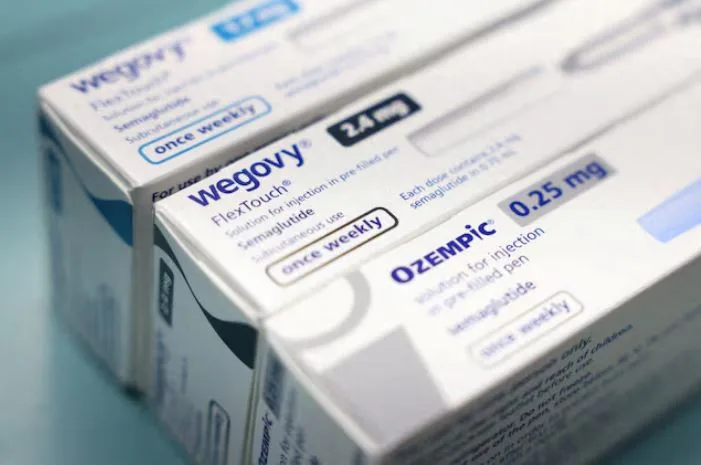
Last year's Hims & Hers Super Bowl ad focused on GLP-1s for weight loss, blaming the "system" for the obesity epidemic through unaffordable care. When Wegovy launched for weight loss in 2021, high costs and limited insurance coverage made it inaccessible. Celebrity rumors fueled outrage and envy, driving demand for cheaper alternatives—perfect for telehealth providers.
GLP-1 receptor agonists like Ozempic and Wegovy mimic glucagon-like peptide-1, a hormone that regulates blood sugar, slows gastric emptying, and reduces appetite. This mechanism promotes significant weight loss (up to 15-20% body weight in trials) and offers cardiovascular benefits, but supply shortages amplified the envy narrative.
The Rise of Peptides and Testosterone in Telehealth
Demand has expanded beyond GLP-1s to testosterone and peptides—largely untested drugs touted for health benefits by figures like Gwyneth Paltrow, Joe Rogan, and Robert F. Kennedy Jr. Hims & Hers launched a low-testosterone program and acquired a peptide-manufacturing facility for "personalized" drugs.
Precision tracking for your journey
Join thousands using Shotlee to accurately track GLP-1 medications and side effects.
📱 Get the Shotlee App
Track your GLP-1 medications, peptides, and health metrics on the go with our mobile app!
Peptides are short amino acid chains mimicking natural signaling molecules, potentially aiding muscle growth, recovery, anti-aging, or metabolic health. Testosterone replacement therapy (TRT) addresses low levels causing fatigue, low libido, and muscle loss. However, experts warn of cardiovascular and reproductive risks from unnecessary TRT, and peptides lack robust FDA-approved data.
Personalization in telehealth often means compounded versions: adjusted doses, added ingredients, or alternate formats. These bypass FDA review, raising safety flags.
Regulatory Concerns and Safety Risks of Compounded Drugs
The FDA recently asked the Justice Department to investigate Hims & Hers for selling compounded GLP-1 pills, part of broader efforts to curb marketing of these unapproved versions. The Obesity Society warns against compounded GLP-1s, as they may lack proper active ingredients.
In response, Hims & Hers announced it would stop selling compounded GLP-1 pills, stating, "We remain committed to the millions of Americans who depend on us for access to safe, affordable, and personalized care." Men's health experts echo concerns about TRT overuse.
Patient Guidance: What to Discuss with Your Doctor
- Verify legitimacy: Stick to FDA-approved drugs when possible; compounded options require extra scrutiny.
- Assess need: Get blood tests for testosterone or peptide candidacy—don't self-diagnose based on ads.
- Monitor side effects: GLP-1s can cause nausea, GI issues; peptides/TRT may lead to heart risks or hormonal imbalances. Tools like Shotlee can help track symptoms and schedules.
- Insurance vs. cash: Compare telehealth costs to traditional care; discuss coverage for GLP-1s.
For metabolic health, GLP-1s shine in obesity and diabetes management, outperforming lifestyle alone, but alternatives like SGLT2 inhibitors offer similar heart benefits with different profiles.
Cultural Context: Wellness Trends and Healthcare Frustrations
The ad shrewdly taps frustrations, narrated by rapper Common (last year featured Childish Gambino's "This Is America"). Pew Research shows 71% of Americans worry about healthcare costs. Yet, imitating billionaires—NAD+ IVs, Erewhon smoothies, red-light therapy—persists despite questionable benefits.
Other Super Bowl ads promote wellness visions, underscoring its economic role. Hims & Hers diagnoses wealth-driven health gaps accurately but offers an unlikely cure via telehealth.
Key Takeaways: What This Means for Patients
- GLP-1 envy highlights access inequities, but telehealth isn't a full fix.
- Compounded drugs risk inconsistency; prioritize FDA-approved options.
- Celebrity trends fuel demand for peptides/TRT—consult providers first.
- Systemic reform, not just cash-pay platforms, addresses root issues.
Conclusion: Beyond the Hype
Hims & Hers' ad validates anger at a broken system while selling a transactional alternative. While GLP-1s transformed weight loss and peptides tempt with biohacking promises, safety must trump envy. Patients should seek evidence-based care, discuss options with doctors, and advocate for affordable access. True equity requires more than Super Bowl pitches.