
Novo Nordisk Sues Hims & Hers Over Semaglutide Patent
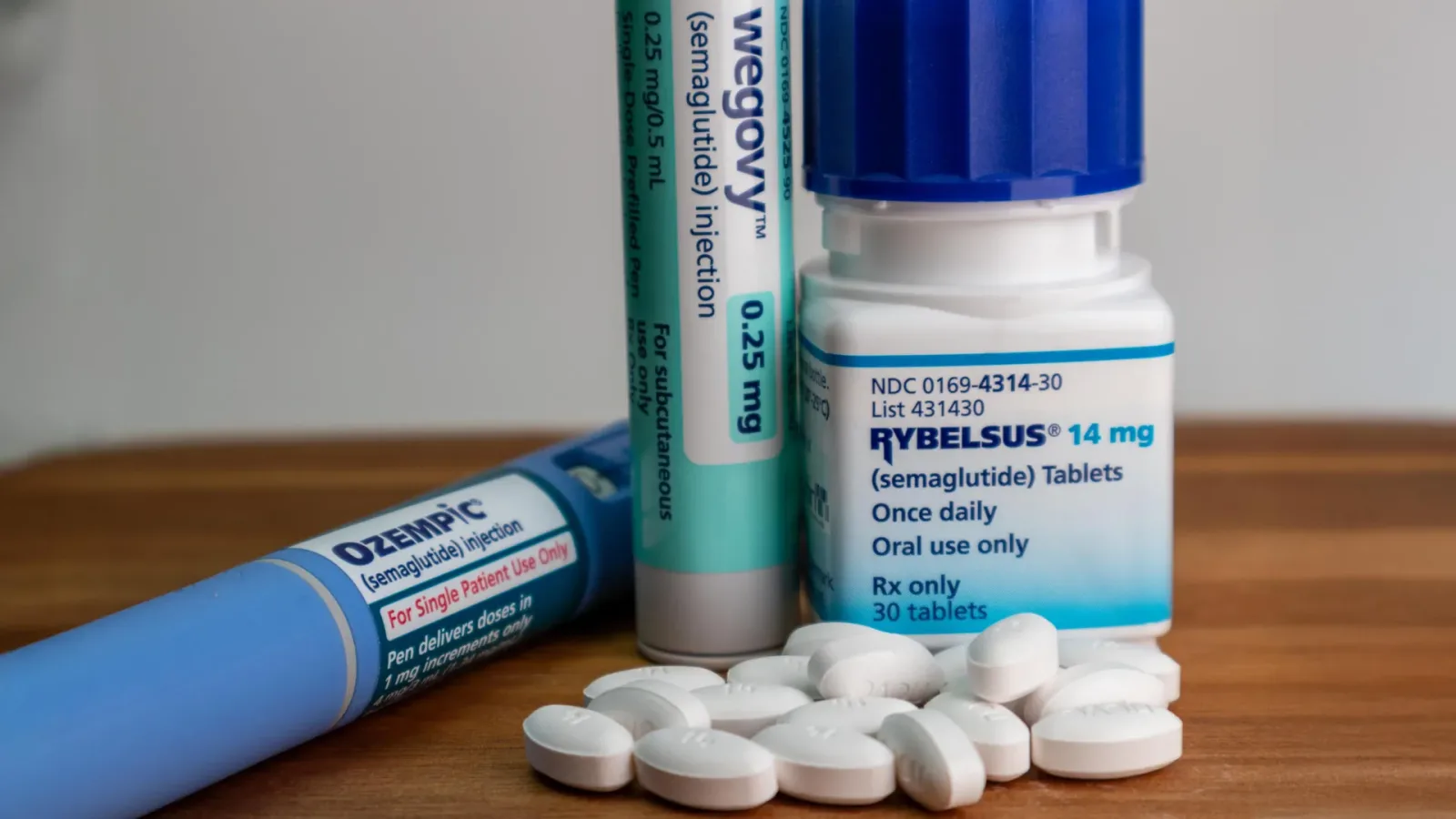
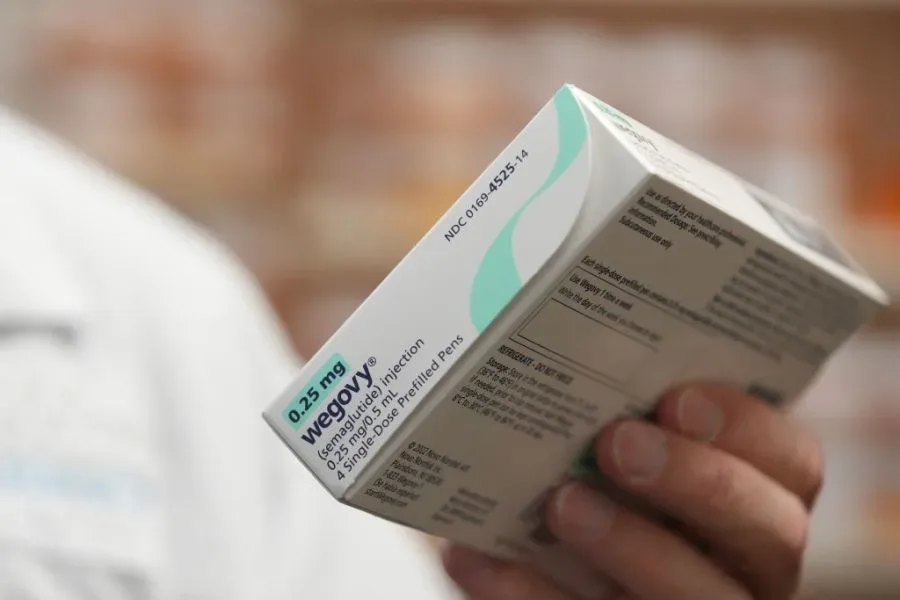
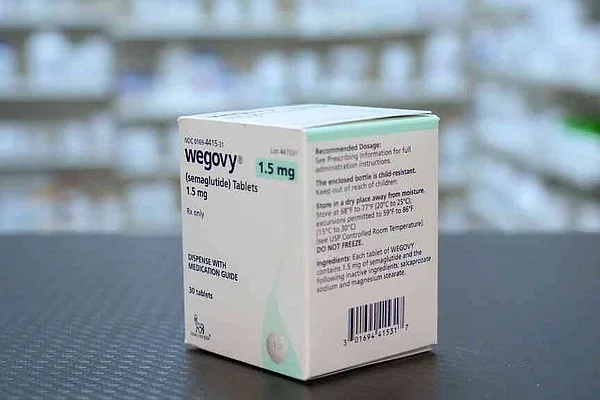
In a significant escalation in the GLP-1 medication space, Novo Nordisk A/S has filed a lawsuit against Hims & Hers Health Inc. for allegedly breaching its U.S. patent on semaglutide, the active ingredient powering its blockbuster obesity drugs Ozempic and Wegovy. The legal action, announced on Monday and filed in Delaware, targets Hims' compounded versions of these weight-loss injections and the now-scrapped copycat Wegovy pill, emphasizing potential dangers to consumers from unapproved knock-offs.
Details of the Novo Nordisk vs. Hims Lawsuit
Novo Nordisk argues that Hims' products, including weight-loss injections, are compounded forms of semaglutide that directly infringe on its patent. The company claims Hims had knowledge of the patent, which has been violated since 2024. Novo sent a cease-and-desist letter to Hims on February 8, demanding an end to production, but proceeded with the suit seeking damages described by John Kuckelman, Novo's general counsel, as "reasonable royalties" and lost profits.
"Hims has engaged in promotional campaigns that highlight its compounded semaglutide products, duping consumers and health-care professionals as to the clinical benefits and safety of these unapproved drugs," Novo stated. The knock-offs, it argued, "are putting patient health and wellbeing at risk." Kuckelman called Hims' launch of a knock-off Wegovy pill "a step too far" and "egregious," marking a tipping point after the companies scrapped a partnership last year.
Hims did not immediately comment on the lawsuit, but its shares fell 16% by Monday's close. Meanwhile, Novo's stock surged as much as 9% after Hims announced over the weekend it would stop offering the cheaper Wegovy pill version—prompted by U.S. government threats—before paring gains to a 3.6% rise following the lawsuit news.
What is Semaglutide? Clinical Background and Patent Importance
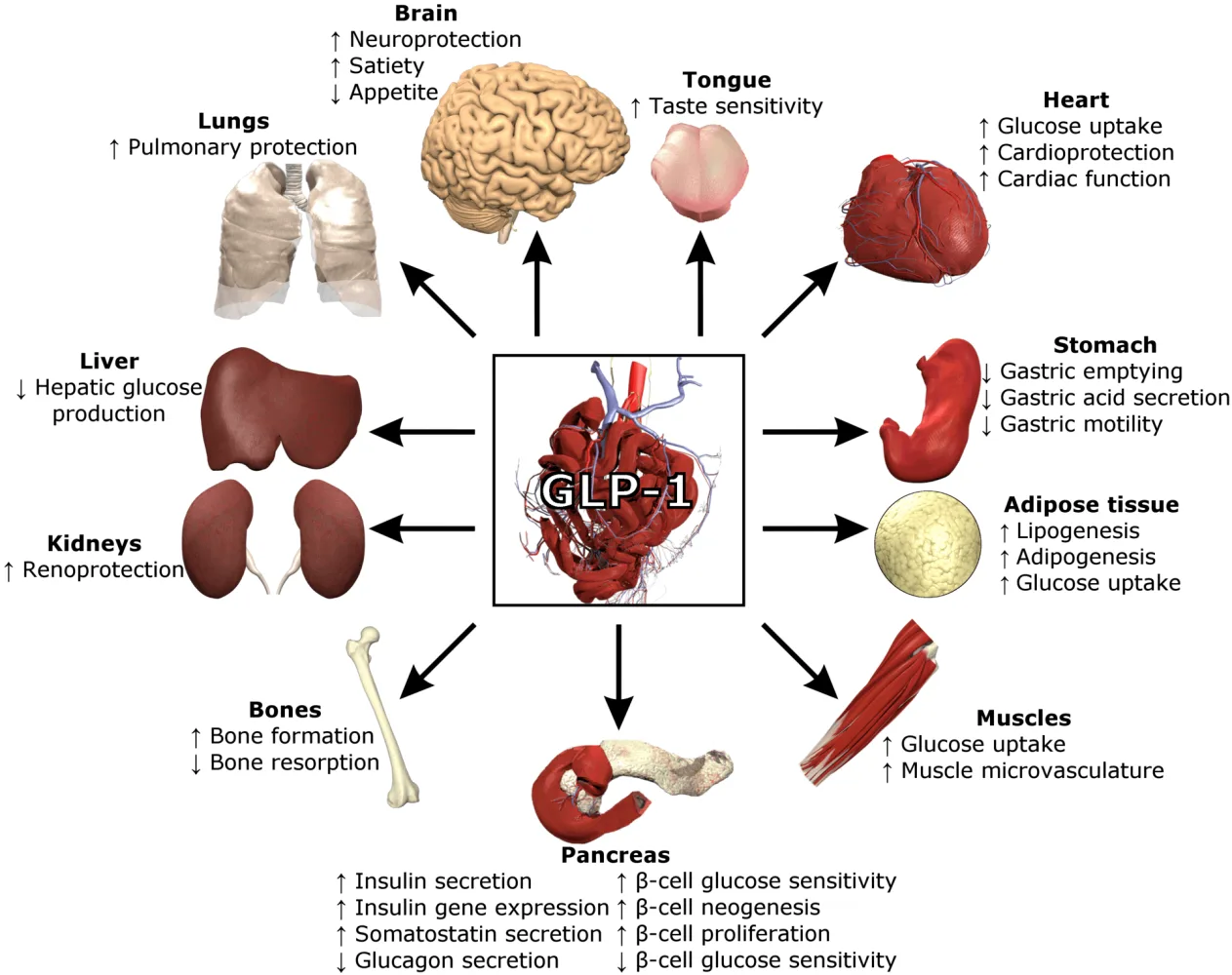
Semaglutide is a GLP-1 receptor agonist, mimicking the glucagon-like peptide-1 hormone to regulate blood sugar, slow gastric emptying, and reduce appetite. This mechanism drives its efficacy in treating type 2 diabetes (as Ozempic) and chronic weight management (as Wegovy). Novo Nordisk's patents protect years of research, ensuring quality control under FDA standards.
Patents are crucial in pharmaceuticals because they incentivize innovation while guaranteeing drug safety and consistency. Compounded semaglutide bypasses these protections, potentially leading to variations in dosing, purity, and stability that branded versions like Ozempic and Wegovy undergo rigorous testing to avoid.
How GLP-1 Drugs Like Ozempic and Wegovy Work
- Appetite Suppression: Activates brain receptors to signal fullness.
- Blood Sugar Control: Boosts insulin release and inhibits glucagon.
- Weight Loss: Delays stomach emptying, reducing calorie intake.
These effects have made semaglutide a cornerstone of metabolic health, but only when produced to FDA specifications, as Novo emphasizes its medicines are.
Hims & Hers' Involvement and the Scrapped Wegovy Pill
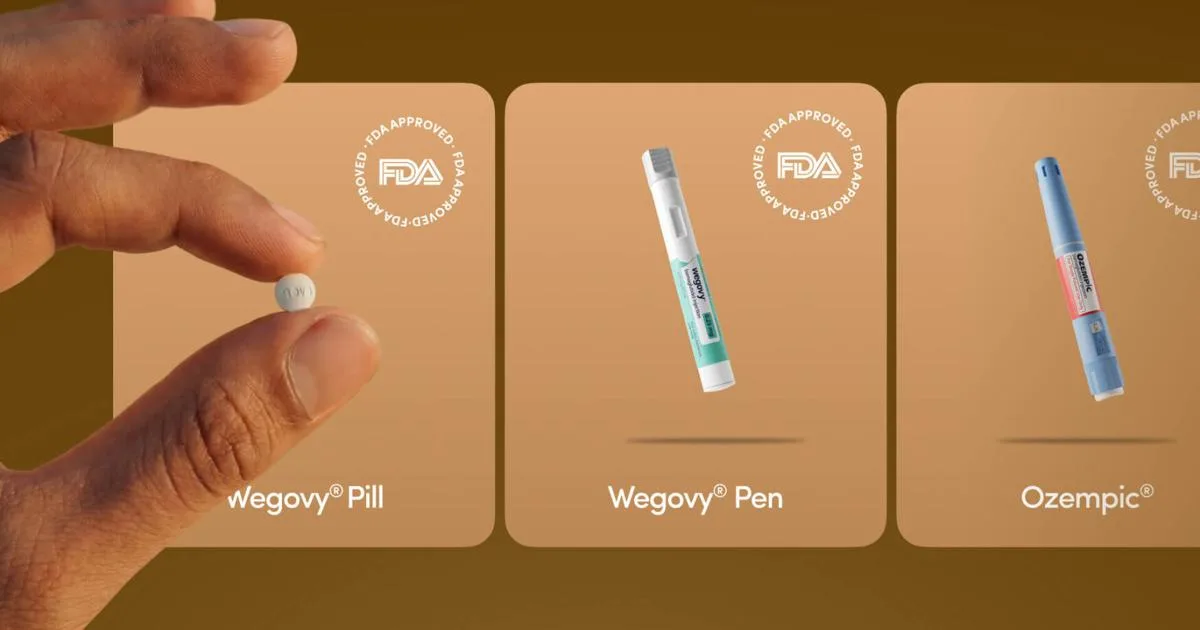
Hims & Hers, a telehealth platform, began offering cheaper compounded semaglutide during past shortages, a practice allowed temporarily by the FDA. Even after the shortage ended, sales continued. Last week, Hims announced a copycat Wegovy pill to capitalize on Novo's push into oral formulations, but backed down Saturday amid regulatory pressure from the FDA and Department of Health and Human Services, which referred Hims to the Department of Justice.
Precision tracking for your journey
Join thousands using Shotlee to accurately track GLP-1 medications and side effects.
📱 Get the Shotlee App
Track your GLP-1 medications, peptides, and health metrics on the go with our mobile app!
The lawsuit's scope extends beyond the pill to all semaglutide uses, including injections. Kuckelman noted, "We believe it's a complete sham that they say so many patients need personalized compounding of semaglutide post shortage." Novo is working with other compounders to transition to branded products, but accuses Hims of flouting regulators.
Safety Risks of Compounded Semaglutide vs. Branded Options
Novo stresses that its products follow strict FDA safety controls, unlike compounded versions. Compounded drugs lack the same oversight, risking contamination, incorrect dosing, or impurities—issues Novo bills as "potentially dangerous for consumers." The FDA has pledged action against copycat weight-loss drugs, echoing long-standing complaints from Novo and rival Eli Lilly about unregulated proliferation.
Patients using compounded semaglutide may face heightened side effects like nausea, gastrointestinal issues, or more severe risks such as pancreatitis. Branded Ozempic and Wegovy provide consistent pharmacokinetics, backed by clinical trials.
Broader Context: GLP-1 Market Tensions and Novo Nordisk's Challenges
The lawsuit follows a turbulent week for Novo, including a dire 2024 sales forecast contrasting Eli Lilly's outlook, contributing to Novo's market cap drop from over $600 billion to about $227 billion. Makers of GLP-1 drugs have criticized the FDA for not curbing compounded sales post-shortage.
Novo has sued other compounders previously; this is its first against Hims. Hims CEO Andrew Dudum has vowed not to back down from low-cost offerings, underscoring acrimony in the booming obesity drug market.
Implications for Patients Using GLP-1 Medications
For those on semaglutide for weight loss or diabetes, this lawsuit reinforces the divide between branded and compounded options. Patients should discuss with doctors the risks of unapproved versions and prioritize FDA-approved drugs like Ozempic or Wegovy for proven safety and efficacy.
Practical guidance:
- Verify prescriptions are for branded products when possible.
- Monitor for side effects; apps like Shotlee can help track symptoms and medication schedules.
- Avoid telehealth promotions promising steep discounts on compounded GLP-1s without medical oversight.
Compare to alternatives: While Lilly's tirzepatide (Zepbound, Mounjaro) offers competition, semaglutide remains dominant, but patent battles ensure market stability.
Key Takeaways from the Novo Nordisk-Hims Lawsuit
- Novo accuses Hims of infringing semaglutide patents since 2024, seeking damages despite Hims halting Wegovy pill sales.
- Compounded knock-offs pose safety risks lacking FDA rigor of Ozempic and Wegovy.
- Regulatory scrutiny is intensifying, with FDA and DOJ targeting copycats.
- Patients: Stick to branded GLP-1s; consult providers for personalized advice.
Conclusion: What This Means for GLP-1 Users and the Future
This lawsuit signals Novo Nordisk's aggressive defense of its semaglutide empire amid fierce competition. For patients, it underscores prioritizing safety over cost savings in obesity and metabolic treatments. Stay informed on FDA updates and regulatory actions to navigate the evolving landscape of GLP-1 therapies effectively.