
Hims Stops Compounded Wegovy Pill After FDA Scrutiny
In a significant development for telehealth and GLP-1 medications, Hims & Hers has decided to discontinue its compounded semaglutide pill—a copycat version of Novo Nordisk's Wegovy—following criticism from the Food and Drug Administration (FDA). This move highlights ongoing regulatory challenges in the rapidly growing market for weight loss and metabolic health treatments. Since launching the compounded semaglutide pill on our platform, we've had constructive conversations with stakeholders across the industry. As a result, we have decided to stop offering access to this treatment," Hims wrote on X, underscoring the swift response to regulatory pressures.
Understanding Wegovy and Semaglutide
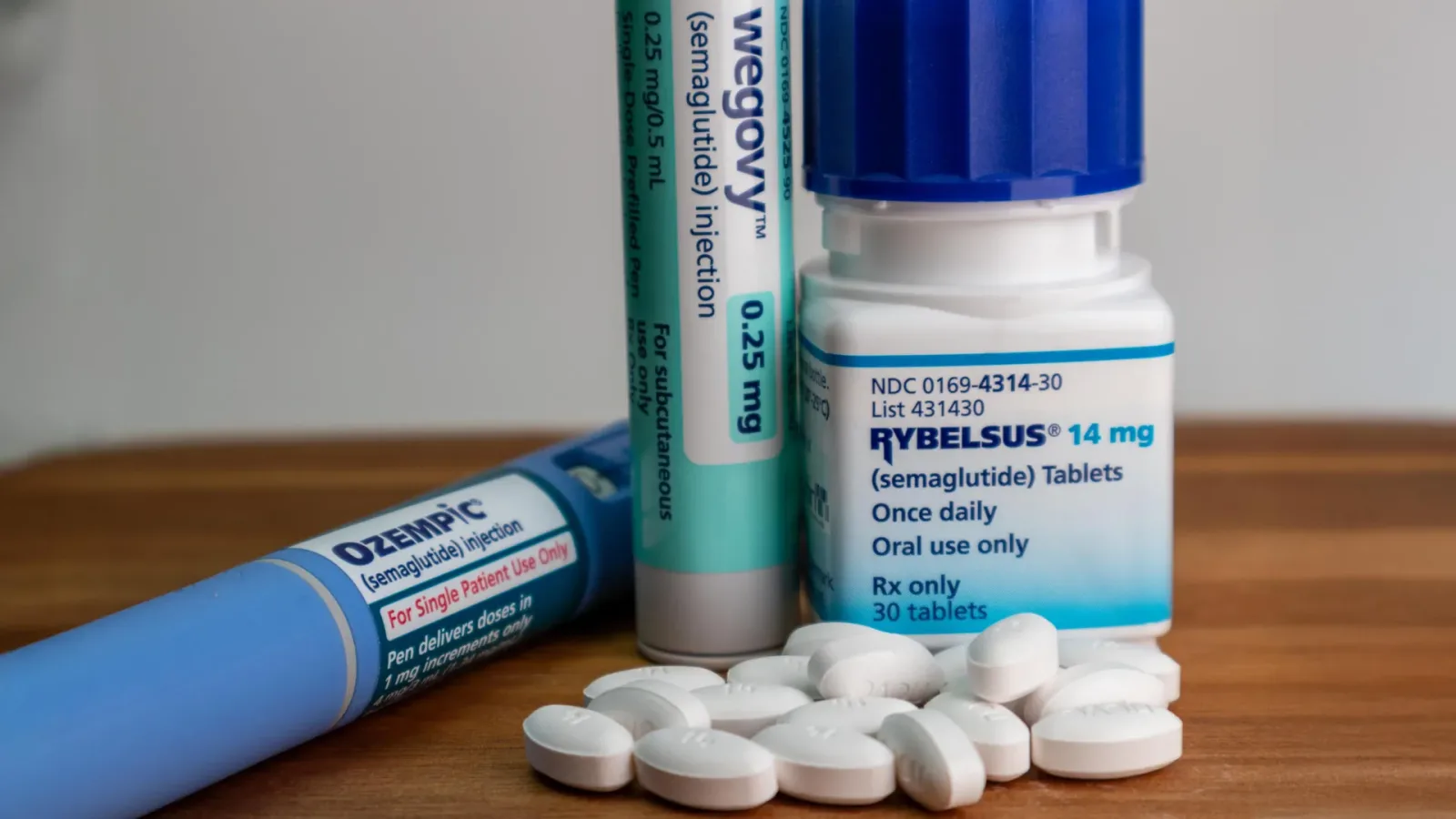
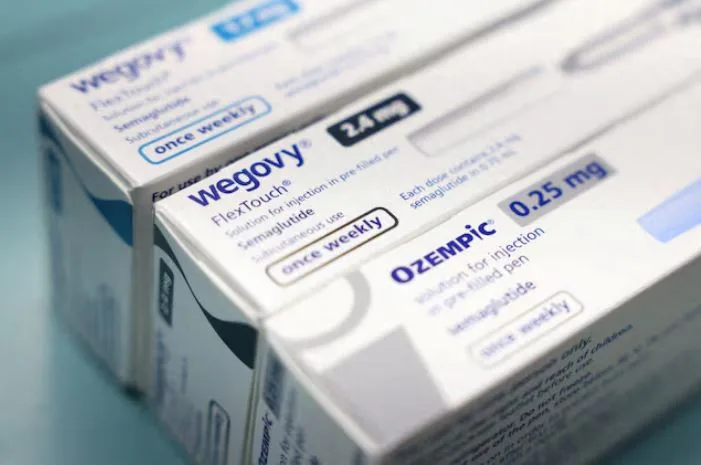
Wegovy, developed by Novo Nordisk, is a brand-name formulation of semaglutide, a glucagon-like peptide-1 (GLP-1) receptor agonist. Approved by the FDA for chronic weight management in adults with obesity or overweight conditions alongside diet and exercise, Wegovy mimics the GLP-1 hormone to regulate blood sugar, slow gastric emptying, and reduce appetite. Clinical trials, such as the STEP program, demonstrated average weight loss of 15-20% over 68 weeks at the maintenance dose of 2.4 mg weekly injections.
Semaglutide's mechanism extends beyond weight loss; it promotes cardiovascular benefits by improving endothelial function and reducing inflammation. However, persistent national shortages of Wegovy since 2021 have driven demand for compounded alternatives, where pharmacies create custom versions of the active ingredient to meet patient needs during supply constraints.
The Rise of Compounded Semaglutide in Telehealth
Telehealth platforms like Hims & Hers capitalized on Wegovy's shortages by offering compounded semaglutide, often in pill or injectable forms tailored to patient preferences. These compounded drugs provide a more affordable and accessible option, bypassing some insurance hurdles for brand-name GLP-1s. Hims launched its version recently, positioning it as a convenient solution for weight loss amid booming demand fueled by social media and celebrity endorsements.
Compounding allows flexibility, such as oral formulations that avoid injections, appealing to patients averse to needles. Yet, this practice operates in a regulatory gray area, permitted under Section 503A of the Federal Food, Drug, and Cosmetic Act during documented shortages but subject to strict quality controls.
FDA's Role in Overseeing Compounded GLP-1s
The FDA has intensified scrutiny on compounded semaglutide due to safety reports, including adverse events from substandard products. In 2023, the agency warned against compounded versions containing unapproved salts like semaglutide sodium or acetate, which may lack bioequivalence to the approved drug. While shortages justified compounding initially, the FDA's recent updates signal a push toward branded supply stabilization, prompting companies like Hims to pivot.
Hims & Hers' Launch and Rapid Reversal
Hims & Hers introduced its compounded semaglutide pill as part of its expanding metabolic health offerings, aiming to serve the millions seeking GLP-1 therapy. The platform's model—virtual consultations, home delivery—made it a popular choice. However, FDA criticism emerged shortly after launch, leading to "constructive conversations with stakeholders across the industry."
"Since launching the compounded semaglutide pill on our platform, we've had constructive conversations with stakeholders across the industry. As a result, we have decided to stop offering access to this treatment," Hims wrote on X.
This decision reflects broader industry trends, with other telehealth providers facing similar pressures to ensure compliance and patient safety.
Safety Concerns with Compounded Semaglutide
Unlike FDA-approved Wegovy, which undergoes rigorous testing for purity, potency, and stability, compounded versions rely on state-licensed pharmacies. Risks include dosing inaccuracies, contamination, or improper storage, potentially leading to gastrointestinal side effects like nausea, vomiting, or more serious issues such as pancreatitis. The FDA has reported over 100 adverse events linked to compounded semaglutide in recent years, emphasizing the need for verified sources.
Precision tracking for your journey
Join thousands using Shotlee to accurately track GLP-1 medications and side effects.
📱 Get the Shotlee App
Track your GLP-1 medications, peptides, and health metrics on the go with our mobile app!
Patients using compounded GLP-1s should monitor for symptoms like severe abdominal pain or allergic reactions and consult providers promptly. Tools like Shotlee can assist in tracking side effects and medication adherence for better outcomes.
Implications for Patients and the GLP-1 Market
Hims' halt disrupts access for patients relying on affordable telehealth options, potentially exacerbating wait times for branded Wegovy. With demand surging—Novo Nordisk reported over 1 million new prescriptions monthly—patients may turn to alternatives like Ozempic (semaglutide for diabetes, often used off-label) or tirzepatide (Zepbound/Mounjaro).
Who Should Consider GLP-1 Therapy?
- Adults with BMI ≥30 or ≥27 with comorbidities like hypertension.
- Those committed to lifestyle changes, as GLP-1s are adjuncts, not standalone.
- Individuals discussing risks/benefits with healthcare providers.
Discuss with your doctor: current shortages, insurance coverage, and transition plans from compounded to branded drugs.
Alternatives to Compounded Semaglutide
Branded Options:
- Wegovy (semaglutide injection): Gold standard for weight loss; check NovoCare for savings cards.
- Ozempic (semaglutide injection): Diabetes-approved but commonly prescribed for weight.
- Zepbound (tirzepatide injection): Dual GLP-1/GIP agonist; superior weight loss in trials (up to 21%).
Non-GLP-1 Alternatives: Phentermine, orlistat, or bariatric surgery for eligible patients. Lifestyle interventions remain foundational.
Telehealth platforms continue offering consultations for approved GLP-1s, ensuring continuity of care.
Future Outlook for Compounded GLP-1s and Telehealth
As shortages ease, the FDA anticipates reduced need for compounding, pushing innovation toward oral GLP-1s like Rybelsus (semaglutide tablet for diabetes). Telehealth companies may refocus on FDA-approved pathways, enhancing trust and compliance. Patients benefit from clearer regulations prioritizing safety.
Key Takeaways
- Hims & Hers stopped its compounded semaglutide pill after FDA scrutiny and industry discussions.
- Compounded versions filled shortage gaps but carry higher risks than branded Wegovy.
- Consult providers for safe GLP-1 access; explore branded alternatives like Ozempic or Zepbound.
- Monitor symptoms closely—apps like Shotlee aid in logging progress.
- Regulatory shifts prioritize patient safety in the booming metabolic health space.
What This Means for Patients
This development signals a maturing GLP-1 market favoring approved drugs. If you're on compounded semaglutide, transition promptly under medical guidance to avoid gaps. Stay informed on shortages via FDA updates and prioritize evidence-based therapies for sustainable weight management and metabolic health.
Word count: 1428. This guide preserves the original announcement while providing context on semaglutide, regulations, and patient options.