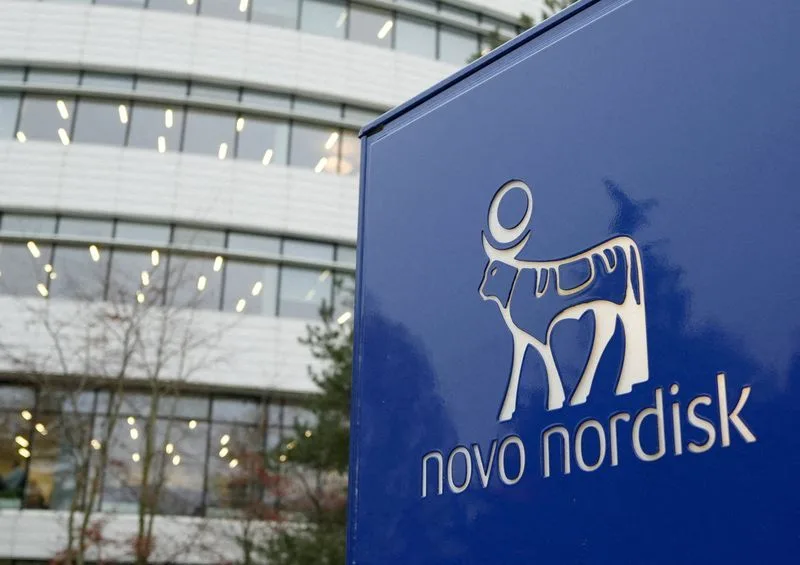

Novo Nordisk Shares Rebound as FDA Targets Illegal Wegovy Copies
In a swift market turnaround, shares in Danish drugmaker Novo Nordisk gained 4.7% in early trading on Friday, February 6, recovering from steep losses in the prior sessions. This rebound came after the U.S. Food and Drug Administration (FDA) pledged to address the mass-marketing of unapproved drugs, specifically targeting illegal copycat versions of FDA-approved GLP-1 medications like Wegovy.
The event underscores growing regulatory scrutiny on compounded semaglutide products amid surging demand for weight-loss therapies. For patients and investors alike, this development highlights the critical distinction between FDA-approved GLP-1 agonists and unverified alternatives.
The Immediate Stock Rebound and Market Context
COPENHAGEN, Feb 6 (Reuters) – Novo Nordisk's shares, which had plunged nearly 8% on Thursday, showed resilience as FDA statements restored investor confidence. The stock had already slumped 17% following the company's Wednesday warning of unprecedented price pressure on its weight-loss medicines, leading to a dropped full-year forecast.
Novo's shares are now near their lowest levels since Wegovy was introduced in June 2021. This volatility reflects broader challenges in the GLP-1 market, including supply shortages and the rise of compounding pharmacies offering cheaper alternatives.
What Triggered the Initial Sell-Off?
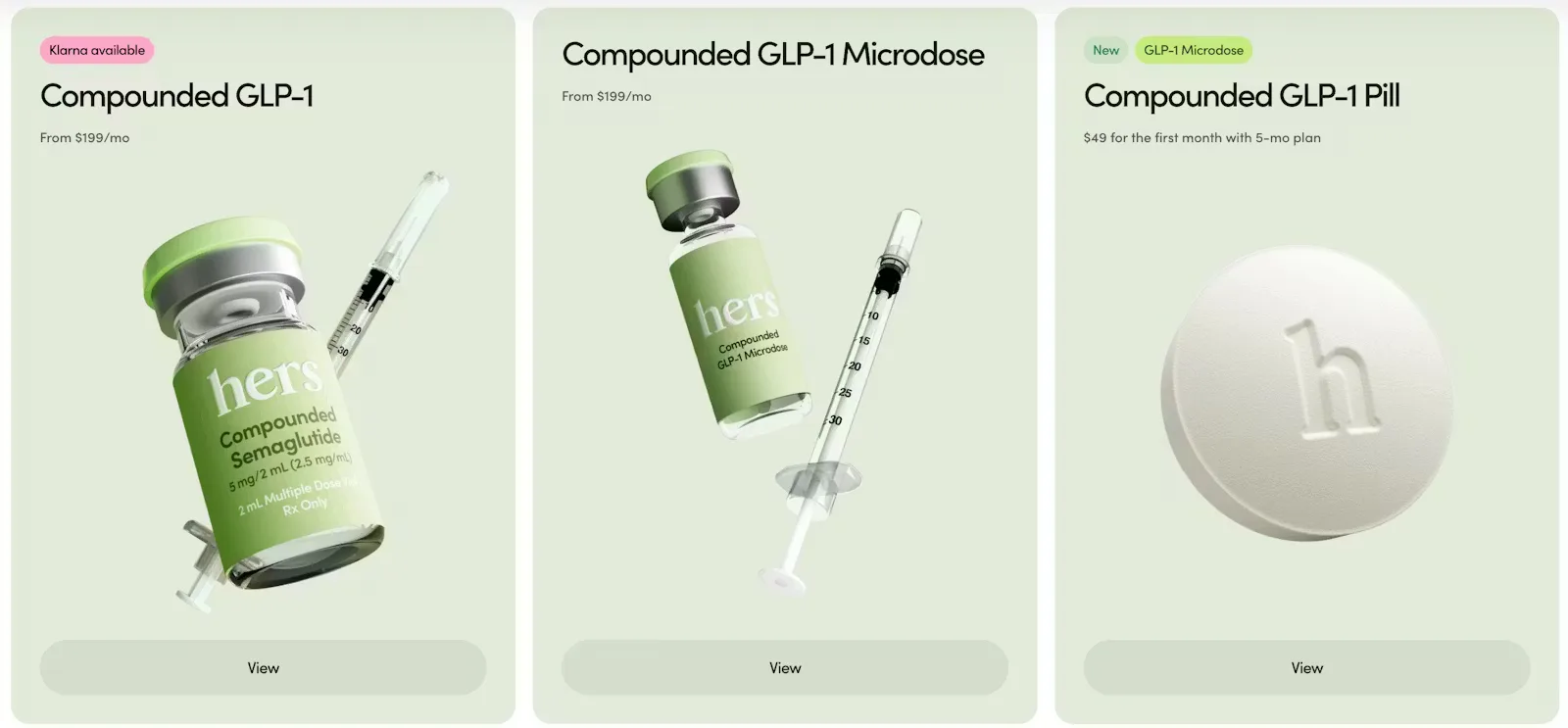
The catalyst was telehealth company Hims and Hers Health launching a significantly cheaper $49 compounded version of Novo Nordisk's FDA-approved Wegovy weight-loss pill. Such compounded drugs mimic semaglutide, Wegovy's active ingredient, but lack FDA oversight, prompting investor fears of eroded market share and pricing power for branded products.
FDA's Firm Stance on Illegal Copycat Drugs
"FDA will take swift action against companies mass-marketing illegal copycat drugs, claiming they are similar to FDA-approved products," FDA Commissioner Marty Makary said on X without naming any companies.
Makary emphasized: "The FDA cannot verify the quality, safety or effectiveness of non-approved drugs." This statement directly addressed concerns over compounded GLP-1s flooding the market, often marketed via telehealth platforms as budget-friendly options for obesity treatment.
Understanding Compounded GLP-1 Medications
Compounded drugs are custom-made by pharmacies to meet specific patient needs, allowed under certain FDA conditions like drug shortages. However, mass-marketing unapproved semaglutide copies violates regulations. Unlike Wegovy (semaglutide injection 2.4 mg weekly), which underwent rigorous clinical trials demonstrating up to 15-20% body weight reduction, compounded versions use the same peptide but without standardized manufacturing, purity testing, or dosing accuracy.
GLP-1 receptor agonists like semaglutide work by mimicking glucagon-like peptide-1, a hormone that regulates blood sugar, slows gastric emptying, and signals fullness to the brain. This mechanism drives their efficacy in metabolic health, but inconsistencies in compounded forms can undermine these benefits and amplify risks.
Precision tracking for your journey
Join thousands using Shotlee to accurately track GLP-1 medications and side effects.
📱 Get the Shotlee App
Track your GLP-1 medications, peptides, and health metrics on the go with our mobile app!
Risks and Safety Concerns with Unapproved Wegovy Copies
The FDA's warnings are rooted in patient safety. Unapproved compounded semaglutide may contain impurities, incorrect dosages, or contaminants, leading to adverse events like gastrointestinal issues, pancreatitis, or thyroid tumors observed in GLP-1 trials.
- Quality Issues: No batch testing for potency or sterility.
- Dosing Errors: Variable concentrations risking under- or overdosing.
- Effectiveness Gaps: Unproven weight-loss outcomes compared to Wegovy's SELECT trial data.
- Side Effect Monitoring: Patients on approved drugs benefit from established protocols; compounded users lack this support.
For metabolic health management, sticking to FDA-approved options ensures predictable pharmacokinetics and long-term data from trials involving thousands of participants.
Comparing FDA-Approved Wegovy to Compounded Alternatives
| Feature | Wegovy (FDA-Approved) | Compounded Semaglutide |
|---|---|---|
| Approval Status | Fully approved for chronic weight management | Unapproved for mass-marketing |
| Price | $1,300+/month (list; discounts available) | $49-$200/month (variable) |
| Safety Verification | Rigorous FDA review | None |
| Clinical Evidence | STEP trials: 15%+ weight loss | Limited/anecdotal |
This comparison illustrates why regulatory action protects patients pursuing peptide therapy for obesity and type 2 diabetes.
Implications for Patients and Providers
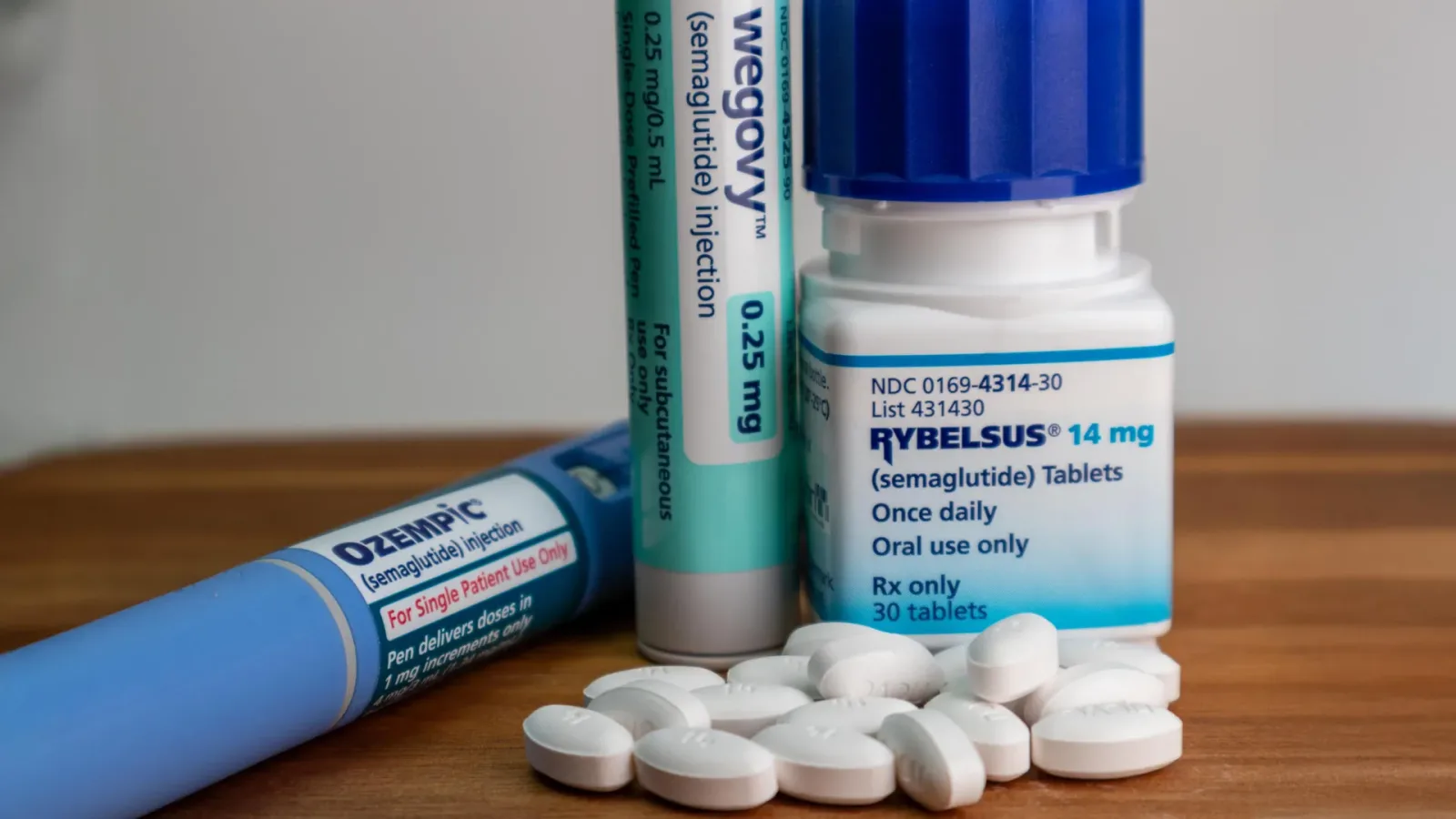
For those considering GLP-1 medications, this FDA crackdown reinforces prioritizing approved therapies. Patients should discuss options like Wegovy or Ozempic with healthcare providers, especially if experiencing shortages.
- Who Benefits Most: Adults with BMI ≥30 or ≥27 with comorbidities.
- What to Ask Your Doctor: Am I eligible? How to titrate doses safely? Alternatives if compounded?
- Monitoring Tips: Track symptoms like nausea or heart rate changes. Tools like Shotlee can help log side effects and medication schedules for better adherence.
Providers must verify prescriptions originate from licensed sources, avoiding telehealth sellers of unapproved copies.
Broader Market Impact on GLP-1 and Peptide Therapy
Novo Nordisk's rebound signals stabilizing investor sentiment amid GLP-1 hype. With Wegovy driving metabolic health advancements, regulatory clarity could sustain innovation while curbing unsafe practices. Related topics include semaglutide shortages, tirzepatide comparisons (e.g., Zepbound), and peptide compounding ethics.
Key Takeaways for Patients and Investors
- Novo Nordisk shares rebounded 4.7% post-FDA pledge against illegal copies.
- Hims & Hers' $49 compounded Wegovy sparked an 8% plunge, following a 17% slump.
- FDA cannot assure safety of non-approved drugs; prioritize FDA-approved GLP-1s.
- Wegovy, launched June 2021, remains a cornerstone for evidence-based weight loss.
- Consult doctors for personalized peptide therapy; monitor via apps like Shotlee.
Conclusion: Prioritizing Safety in Metabolic Health
This episode reaffirms the FDA's role in safeguarding access to verified GLP-1 treatments. Patients gain actionable insights: opt for approved semaglutide to maximize benefits and minimize risks. As Novo Nordisk navigates pricing pressures, the focus remains on sustainable metabolic health solutions. (Reporting by Jacob Gronholt-Pedersen; Editing by David Goodman)