
The GLP-1 Effect: A New Appetite for Change in the Culinary World
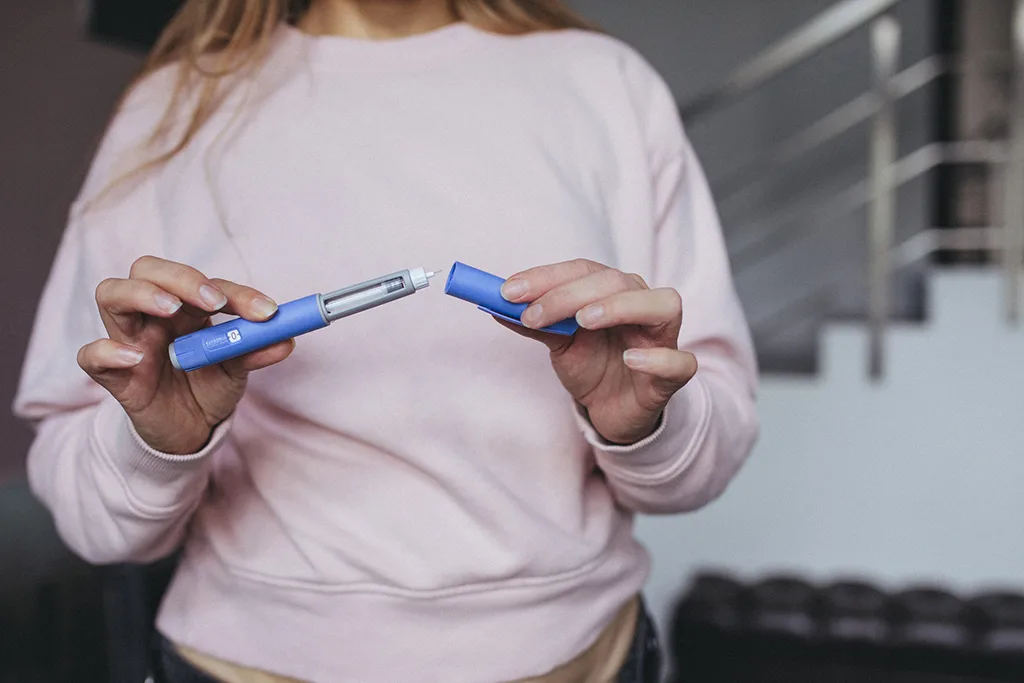
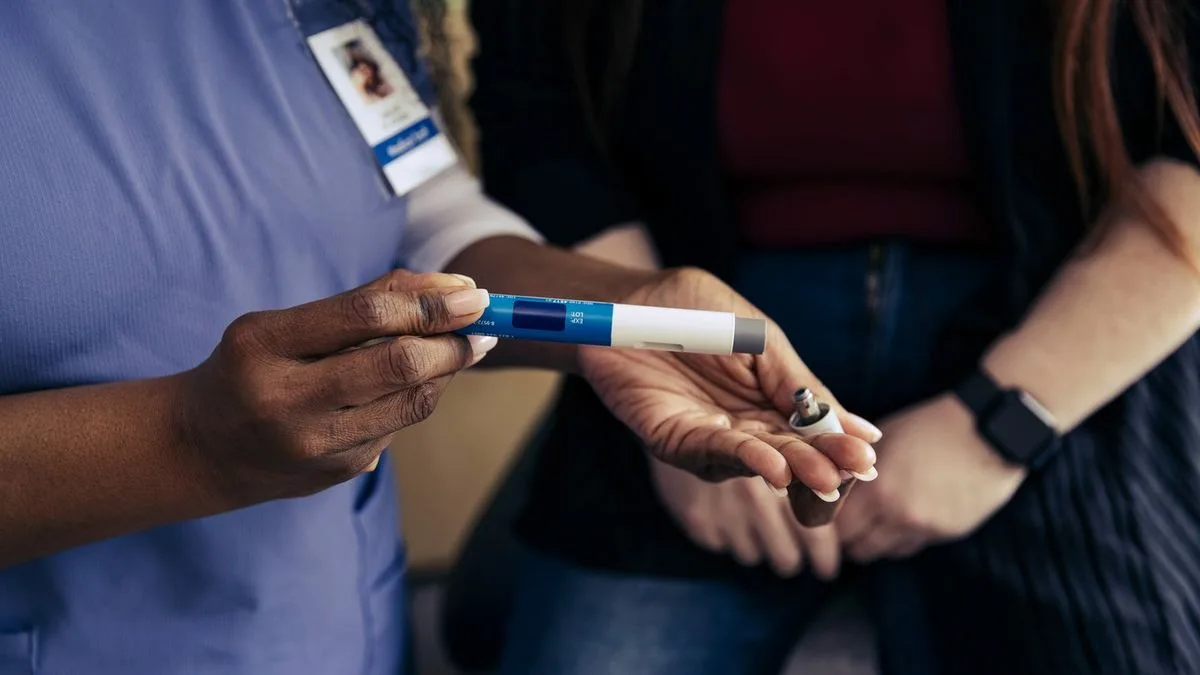
The landscape of dining is undergoing a profound transformation, driven by the increasing prevalence and effectiveness of GLP-1 receptor agonists. Medications like semaglutide (Ozempic, Wegovy) and tirzepatide (Mounjaro) are not only reshaping individual health journeys but are also creating ripples throughout the food industry. What was once an anecdotal observation at a single table is now a noticeable trend affecting menus, consumer choices, and the very economics of restaurants worldwide.
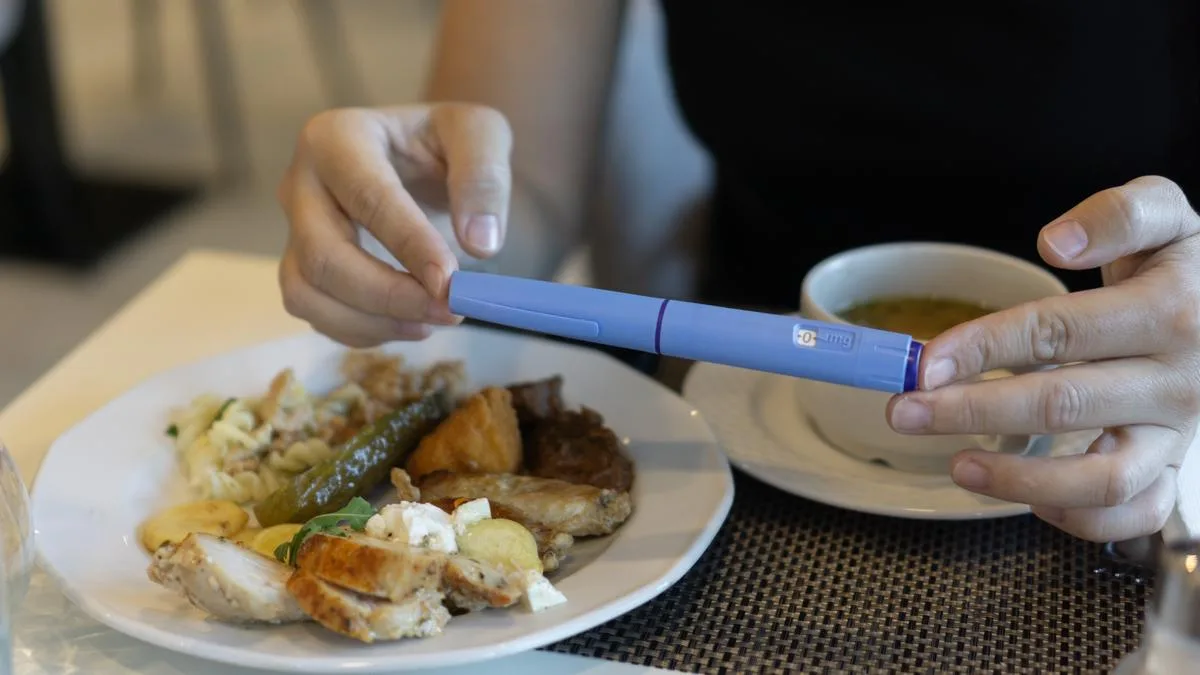
Karan Gokani, a chef and restaurateur, observed this firsthand when a regular customer, who had started a new weight-loss program, could barely touch her usual lunch. This experience, coupled with conversations with industry peers and publishers noting a decline in adventurous home cooking and cookbook sales, highlighted a critical shift: the GLP-1 effect on eating habits is undeniable and already reshaping behavior.
Menus and Markets Adapt to Smaller Portions and Nutrient Density
The impact of GLP-1 medications is already evident in retail and fast-casual settings. Supermarkets are responding by curating ranges that cater to the evolving needs of consumers on these therapies. In the UK, for instance, M&S has introduced a "Nutrient Dense" range featuring high-protein, high-fiber meals in smaller portions. Morrisons has launched "Small & Balanced," explicitly labeled as GLP-1-friendly. Other chains like Sainsbury's ("Small but Mighty"), Co-op ("Good Fuel" mini-meals), and Ocado (with a "Weight Management" aisle) are similarly adjusting their offerings.
Online search trends further underscore this shift. Sainsbury's reports a significant year-on-year increase in searches for "high protein" (up 57%) and an even more dramatic surge in searches for "high protein ready meals" (up 300%). This demand for protein-focused, smaller-portioned meals is not confined to the UK; India is seeing innovation in protein-enhanced lassis, kulfis, and bhel bars. Even fast-food giants are adapting. Shake Shack in the US introduced a "Good Fit Menu" with lettuce-wrapped burgers and higher-protein options, while Chipotle launched a high-protein menu and Starbucks is promoting protein lattes and cold foams. This widespread adaptation indicates a strategic pivot by restaurants to accommodate diners who are intentionally eating less but seeking more nutrient-dense options.
The Science Behind the Shift: How GLP-1s Influence Appetite
GLP-1 receptor agonists work by mimicking the action of the natural incretin hormone GLP-1. This hormone plays a crucial role in regulating blood sugar and appetite. When administered as medication, GLP-1s can:
- Slow Gastric Emptying: This helps individuals feel fuller for longer after eating, reducing overall food intake.
- Increase Satiety Signals: They act on the brain to reduce hunger and increase feelings of fullness.
- Regulate Blood Glucose: By stimulating insulin release and reducing glucagon secretion, they help manage blood sugar levels, which can also impact energy levels and cravings.
These physiological effects directly translate into a reduced appetite and a potentially altered relationship with food. For many, this means a deliberate choice to consume smaller portions and a heightened appreciation for the quality and nutritional value of what they do eat. This is a departure from the early days of these drugs, where overwhelming appetite suppression was the primary effect. The newer wave of users often employs carefully titrated doses alongside lifestyle changes, leading to a more nuanced and sustainable approach to eating.
India's Generics Revolution and the Future of GLP-1s
The global landscape of GLP-1 medications is also being reshaped by developments in India. The expiration of the Indian patent for Novo Nordisk's semaglutide has paved the way for numerous domestic generic versions. Companies like Sun Pharma, Dr. Reddy's, Zydus, and Lupin have launched affordable alternatives, with prices as low as ₹900 per month, a fraction of the original cost.
Precision tracking for your journey
Join thousands using Shotlee to accurately track GLP-1 medications and side effects.
📱 Get the Shotlee App
Track your GLP-1 medications, peptides, and health metrics on the go with our mobile app!
This development positions India to become a major global producer of accessible GLP-1 medications. For a country with a rich dining culture often characterized by abundance and festivity, the widespread availability of these drugs presents a fascinating intersection of tradition and modern medicine. Gokani highlights the potential for these drugs to challenge deeply ingrained cultural norms around food and eating, suggesting that while the love of food may remain, the quantity consumed could significantly decrease.
The impact of these affordable generics is expected to extend beyond individual health, influencing social gatherings, family meals, and the broader hospitality sector. As more people in India gain access to GLP-1 therapies, the culinary industry there will likely face similar pressures to adapt as seen in Western markets.
Adapting the Dining Experience for the GLP-1 Era
The shift in consumer behavior necessitates a strategic re-evaluation by restaurateurs. The approach required is akin to the creativity employed for accommodating diners with dietary restrictions like gluten-free or vegan needs. Key adaptations include:
- Portion Control and Pricing: Offering half portions of popular dishes, clearly marked and priced appropriately, allows diners to enjoy favorites without overconsumption.
- Nutritional Transparency: Making macronutrient information readily available, perhaps on menus or via QR codes, empowers GLP-1 users to make informed choices without needing to interrogate staff.
- Focus on Quality Ingredients: Developing sections of the menu that highlight protein-rich, high-quality ingredients like grilled fish or chicken breast appeals to a discerning palate.
- Modular and Sharing Menus: Shorter, customizable tasting menus or thoughtfully designed sharing platters can cater to diverse appetites at the same table, ensuring everyone feels included and satisfied.
- Elevated Beverage Programs: With many GLP-1 users experiencing a reduced urge to drink alcohol, restaurants need to invest in sophisticated non-alcoholic options, including well-crafted mocktails, fermented beverages, and premium soft drinks, which are often high-margin items.
The total volume of food consumed in restaurants may decrease, but the demand for thoughtful, high-quality dining experiences is poised to grow. Restaurants that embrace these changes proactively will be better positioned to thrive in this evolving market.
| Region/Metric | Estimated Users (Year to Early 2025) | Interest in Starting | % Eating Less When Dining Out | Average Monthly Cost (Private Prescriptions) |
|---|---|---|---|---|
| UK (Wegovy/Mounjaro) | 1.6 million | 3.3 million | N/A | £150 - £200 |
| US (GLP-1s) | 15+ million | N/A | 63% | N/A |
Note: Data for UK is based on a UCL study. US data includes Morgan Stanley survey findings. Costs are approximate and for private prescriptions.
Practical Takeaways for Diners and Restaurants
For diners on GLP-1 medications, understanding these shifts can enhance your dining experience. Don't hesitate to explore smaller portions, ask about nutritional content, and embrace the opportunity to try more dishes in moderation. For restaurateurs, this is an opportune moment to innovate. Consider how your menu, service, and overall dining concept can cater to this growing demographic. Embracing these changes isn't just about adapting to a trend; it's about upholding the core principle of hospitality: making every guest feel welcome and valued, regardless of their appetite.
Conclusion: A Taste of the Future
The widespread adoption of GLP-1 medications represents a significant paradigm shift in how we approach weight management and metabolic health. This has direct and profound implications for the food industry. Restaurants that recognize and adapt to the evolving dining habits of GLP-1 users – by offering more balanced, nutrient-dense, and appropriately portioned meals, alongside transparent nutritional information and diverse beverage options – will not only survive but thrive. The future of dining is about mindful consumption, quality over quantity, and an inclusive experience for all guests, a future that Shotlee can help you track and manage as you navigate your health journey.