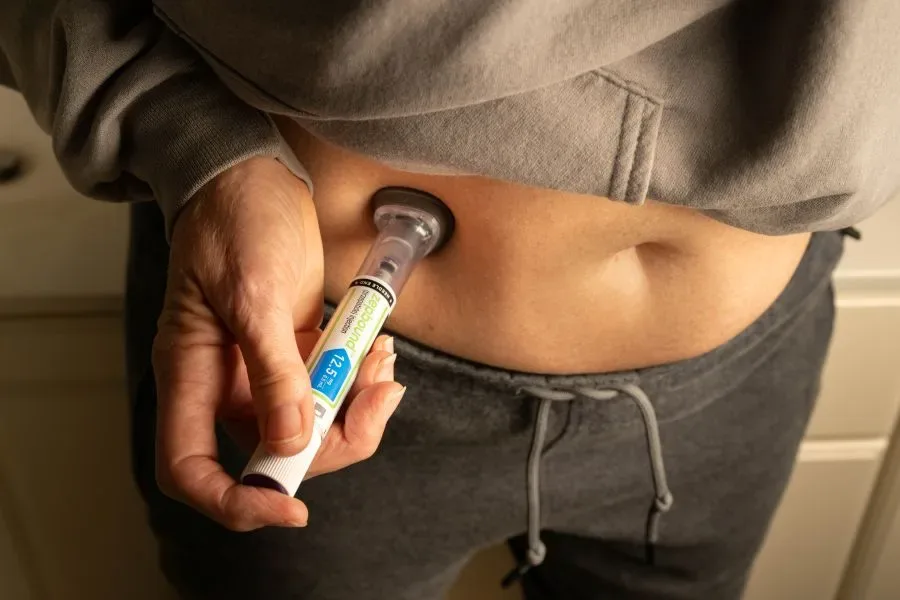

GLP-1 discontinuation often leads to varied weight outcomes, as shown in a major real-world study from the Cleveland Clinic. Analyzing nearly 8,000 patients who stopped semaglutide or tirzepatide, researchers found that 55% of obese individuals and 45% of diabetic patients regained lost weight one year later. However, 45% of obese participants and 56% of diabetics either kept losing weight or maintained their progress, often due to switching treatments or receiving alternative care.
Overview of the Cleveland Clinic Study
The study, published in Diabetes, Obesity and Metabolism, is described by its researchers as "one of the largest real-world studies to date." It included 7,938 patients prescribed semaglutide (e.g., Ozempic, Wegovy) or tirzepatide (e.g., Mounjaro, Zepbound) between January 1, 2021, and December 31, 2023, who discontinued use three to 12 months later. One year post-discontinuation, outcomes revealed a complex picture of weight management.
Lead researcher Hamlet Gasoyan from the Cleveland Clinic's Center for Value-Based Care Research explained: "Our real-world data show that many patients who stop semaglutide or tirzepatide restart the medication or transition to another obesity treatment, which may explain why they regain less weight than patients in randomized trials."
Key Post-Discontinuation Treatment Patterns
- 35.2% of patients (2,794) received an alternative obesity treatment: 27.4% started another medication, 13.7% had modifications and visits with healthcare professionals, and 0.6% underwent metabolic or bariatric surgery.
- 19.6% restarted the same drug.
- Switching was common: 16.1% moved from tirzepatide to semaglutide, and 18.6% from semaglutide to tirzepatide.
The study did not distinguish between participants who regained weight and those who did not based on whether they continued treatment, nor did it detail exact regain amounts among subgroups.
Weight Change Trends by Patient Group
Obese Patients
In the obese group, patients lost an average of 8.4% body weight before discontinuation, followed by a modest regain of 0.5% one year later. While 55% regained weight, 45% maintained or continued losing, often linked to ongoing interventions.
Diabetic Patients
Diabetic participants lost 4.4% body weight pre-discontinuation and an additional 1.3% one year post-discontinuation. Here, 45% regained weight, but 56% sustained or improved results.
Gasoyan noted: "Many patients do not give up on their obesity treatment journey, even if they need to stop their initial medication." The team plans future work to compare alternative treatments' effectiveness for those discontinuing GLP-1 receptor agonists (RAs) or dual-RAs like semaglutide and tirzepatide.
How GLP-1 Medications Work and Why Discontinuation Matters
GLP-1 drugs like semaglutide and tirzepatide mimic glucagon-like peptide-1 hormones, acting as "brakes on appetite." They promote fullness, reduce calorie intake, slow gastric emptying, and improve insulin sensitivity, leading to significant weight loss and better glycemic control.
Upon discontinuation, these effects reverse, potentially causing rebound hunger and weight regain. A recent UK meta-analysis of 48 studies found patients regained an average of 60% of lost weight within one year of stopping drugs like Ozempic and Wegovy. The author explained: "Drugs such as Ozempic and Wegovy act like brakes on our appetite, making us feel full sooner, which means we eat less and therefore lose weight. When people stop taking them, they are essentially taking their foot off the brake, and this can lead to rapid weight regain."
Precision tracking for your journey
Join thousands using Shotlee to accurately track GLP-1 medications and side effects.
📱 Get the Shotlee App
Track your GLP-1 medications, peptides, and health metrics on the go with our mobile app!
Real-world data from the Cleveland Clinic study shows less severe regain than trials, likely due to treatment continuity—unlike controlled settings where patients often stop all interventions.
Gaps in Long-Term Obesity Care Highlighted
The findings underscore gaps in obesity management post-GLP-1 discontinuation, including the need for nutritional support to counter side effects like reduced intake, micronutrient deficiencies, and lean muscle loss. Experts urge guidance to prevent these issues and rebound gain.
Industry responses include start-ups and companies developing products for gut health, metabolic support, and nutrition gaps caused by lower food consumption. Tools like symptom-tracking apps (e.g., Shotlee) can help monitor weight fluctuations, side effects, and adherence during transitions.
Comparison to Randomized Trials and Meta-Analyses
Unlike randomized controlled trials (RCTs) showing higher regain without support, this study reflects real-world persistence: only about 65% fully stopped without alternatives. The UK meta-analysis's 60% regain rate aligns more with trial discontinuations lacking follow-up care.
Practical Guidance for Patients Discontinuing GLP-1s
If considering GLP-1 discontinuation due to side effects, cost, or other reasons, discuss with your healthcare provider. Strategies to minimize regain include:
- Gradual tapering: Work with your doctor to slowly reduce doses.
- Switching therapies: Explore alternatives like other GLP-1s, older anti-obesity meds (e.g., phentermine), or non-drug options.
- Lifestyle integration: Prioritize protein-rich diets, resistance training to preserve muscle, and behavioral therapy.
- Nutritional monitoring: Address potential deficiencies in vitamins (B12, D), fiber, and electrolytes.
- Professional follow-up: Regular visits for weight checks and adjustments, as seen in 13.7% of study patients.
For diabetics, benefits may persist longer due to metabolic improvements. Track progress with reliable tools to catch early regain signs.
Safety Considerations and Side Effects
Common GLP-1 side effects—nausea, GI issues—often prompt discontinuation, but long-term risks include muscle loss and nutrient gaps from appetite suppression. Post-stop, monitor for rapid regain impacting cardiovascular health or sleep apnea. Bariatric surgery (0.6% in study) suits select high-risk cases.
Key Takeaways: What This Means for Patients
- 55% of obese and 45% of diabetic patients regain weight after GLP-1 stop, but many (35.2%) transition to alternatives.
- Average regain is minimal (0.5% obese, net loss in diabetics), thanks to real-world adaptations.
- Nutritional and professional support are crucial to sustain results and fill care gaps.
- Future research will guide better transitions from semaglutide/tirzepatide.
Conclusion
This Cleveland Clinic study on GLP-1 discontinuation reveals encouraging real-world resilience in obesity treatment, with mixed but manageable weight results. Patients and clinicians should prioritize comprehensive plans—including switches, nutrition, and monitoring—to optimize long-term metabolic health. Consult your doctor for personalized strategies to navigate discontinuation effectively.