
Exploring Microdosing Mounjaro for a Debilitating, Common Condition
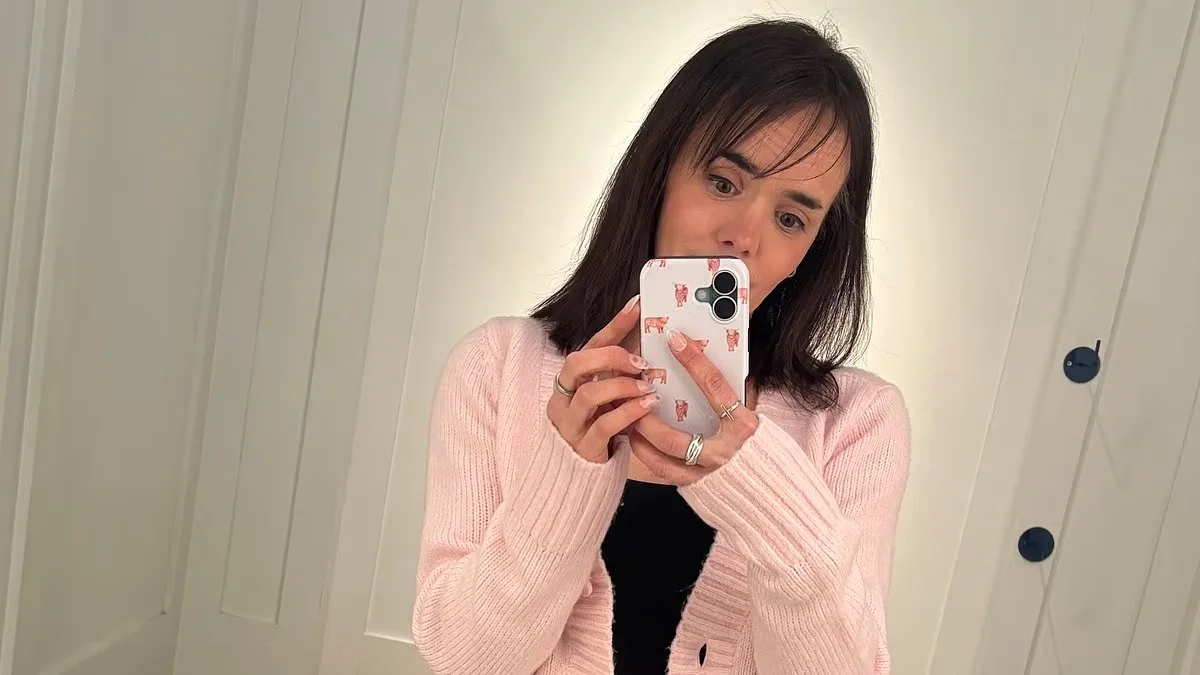
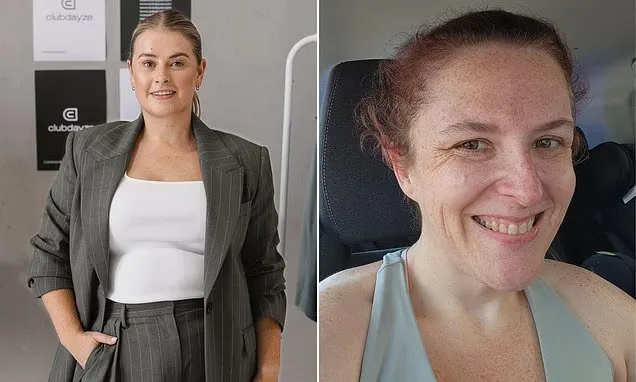
Bec Laut, a PR founder, began experiencing Polycystic Ovarian Syndrome (PCOS) symptoms – irregular cycles and acne – shortly after her first period at age 15. Initially, she was prescribed birth control pills as the primary treatment.
'It was helpful,' Laut told, 'and I remained on it consistently for about 17 years.' However, after developing other health issues that she couldn't resolve, she decided to discontinue the pill, leading to a formal PCOS diagnosis within six months.
Following her diagnosis, Laut spent roughly 18 months attempting to manage her condition through natural methods. Despite maintaining a healthy diet, exercising four times weekly, and managing stress, her body did not respond favorably. The severe cystic acne and hair loss significantly impacted her self-esteem and mental well-being.
Around this time, Laut's physician suggested trying a GLP-1 medication – such as Ozempic or Mounjaro – to aid in weight loss, which could potentially reverse insulin resistance and alleviate PCOS symptoms.
GLP-1, or glucagon-like peptide 1, is a hormone responsible for regulating both blood sugar levels and appetite.
'Initially, I dismissed it,' she admitted. 'At the time, it was being discussed negatively, and I didn't think I needed it.'
The accessibility of GLP-1 medications has significantly transformed the Australian medical landscape. It is estimated that approximately 420,000 Australians are currently using these medications, with that number expected to increase. Many users have reported substantial weight loss and a reduction in cardiovascular and metabolic risk factors.
Laut's perspective shifted after hearing about a colleague's positive experience. The colleague reported experiencing 'mental clarity, faster recovery, and relief from severe PCOS symptoms'.
'Hearing that changed my mindset,' Laut stated. 'I decided to begin the following February, and it's been life-changing ever since.'
After starting the medication, Laut experienced significant physical changes. However, she found the side effects challenging to manage.
'About five months in, I noticed my weight continuing to decrease, but my energy levels were very low.'
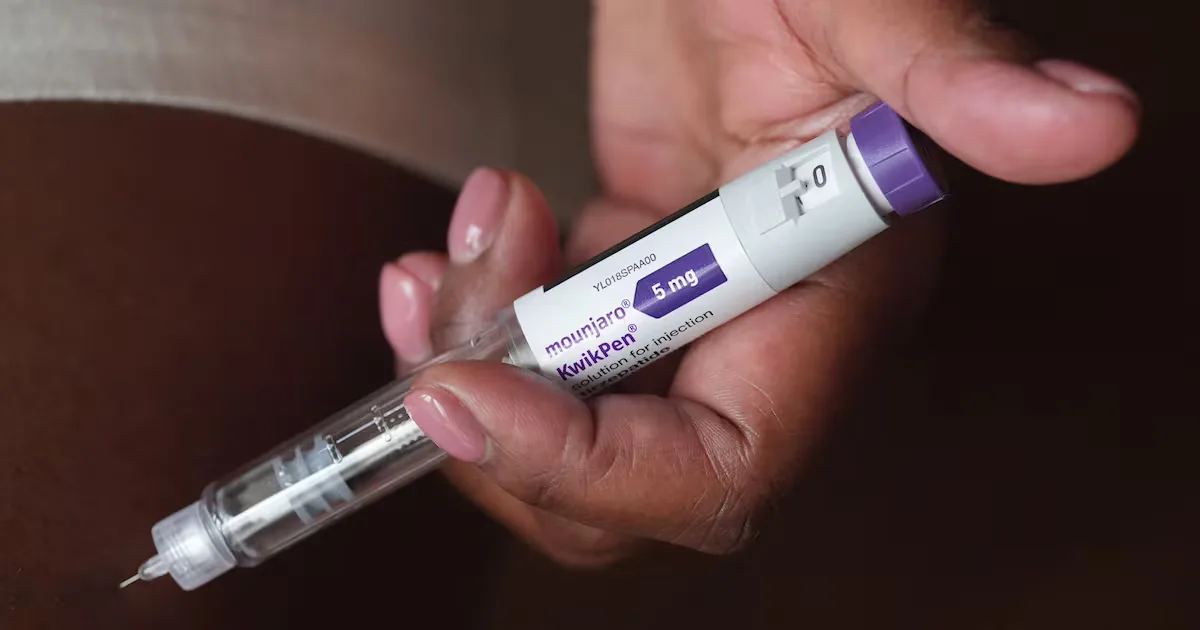
Around the same period, Laut learned about 'microdosing,' a technique where individuals use smaller doses than prescribed to minimize side effects and achieve their desired health outcomes.
'I conducted some research and, more importantly, closely monitored how my body felt,' she explained.
'I then consulted my doctor to discuss trialing smaller doses under supervision. We adjusted my dosage, and I now take approximately half the standard weekly dose. This has been ideal for me, providing the benefits without the burnout. I feel stable, clear, and more attuned to my body than I have in years.' Health tracking apps like Shotlee can help monitor such dosage adjustments.
Laut is among a growing number of GLP-1 users who are opting to use the medication in this manner, often referring to themselves as 'click counters' due to how they measure their dose.
However, while Laut uses the medication under the supervision of a physician who approves her approach, experts caution that others online may be disregarding their doctor's guidance in favor of anecdotal evidence lacking scientific validation.
'I think it would be very concerning for someone to be taking these medications for those perceived benefits that they're hearing about on social media, because there's just no proof as of yet,' said Dr. Terry-Lynne South, Chair of RACGP Specific Interests Obesity.
Precision tracking for your journey
Join thousands using Shotlee to accurately track GLP-1 medications and side effects.
📱 Get the Shotlee App
Track your GLP-1 medications, peptides, and health metrics on the go with our mobile app!
Online forums are filled with testimonials from people who state that the medication has helped alleviate symptoms of various conditions. While Dr. South acknowledges the rapidly evolving landscape, she emphasizes that the evidence to support microdosing is still lacking.
'Having said that, there is a lot more research going into these GLP-1 injectable medications, and it is showing some improved benefits in areas of health that we would never have thought, including Parkinson's disease and some types of dementia, as well as alcohol addiction,' she says.
Dr. South finds the promotion of GLP-1 medications by members of the 'longevity' community on social media particularly concerning, given their limited medical knowledge.
'I think that an evidence-free zone is concerning, because there are assumptions that there's going to be positive effects which are not yet proven, but we do actually know that all medications have risks and side effects,' she continues.
'And so I'd be concerned about known risks and side effects, but no proven benefits with regards to microdosing for off-label use.'
For a Queensland project manager, she says that while she is on the drugs primarily for weight loss, the resulting benefits across several other health areas have been an incredibly welcome surprise.
'I fall into the category of a "super responder" because I've lost more than 40 per cent of my starting body weight now, which is double what you can "expect" to lose,' she says.
'For me though it's been about so much more than weight loss - I've gained back mobility, my fitness, my willingness to actively play with my three-year-old daughter, and I no longer have to take blood pressure medication.'
'I have gone from the highest to lowest possible antidepressant dose (after 15 years) and it's reduced inflammation in my lipoedema in my legs and almost eradicated my endometriosis pain.'
While she is still taking the full recommended dose under medical supervision, she says she would consider switching to a microdosing schedule once her weight stabilizes.
'I've read a lot about microdosing online, you see a lot of people talking about it in Reddit forums and on social media,' she explains.
'It's definitely something I would consider, the cost can be prohibitive, and if I could get the same benefits for a smaller dose, then it would be great.'
Dr. South acknowledges the rationale behind this thinking but urges individuals to consult their doctor before independently altering their dosage.
'The reason it's so important to make sure you stay under a doctor's guidance is because it depends so heavily on what that individual's health goals are,' she explains.
'I'll give you an example. Particularly with the higher dose Semaglutide 2.4 [brand name Wegovy] it's TGA-approved for what we call 'secondary cardiovascular risk protection'. So it's for people who already have heart health problems, preventing them from having second events, and the research is looking at that dose of 2.4 - so I cannot say that a lower dose than 2.4 would have that same cardio-protective effect.'
South advises consulting with a doctor who understands your holistic health goals - and the mechanisms of the medicine itself - before making any changes.
GLP-1 medications should only be used as prescribed and under the care of a qualified medical professional. This article is for information only and does not constitute medical advice.