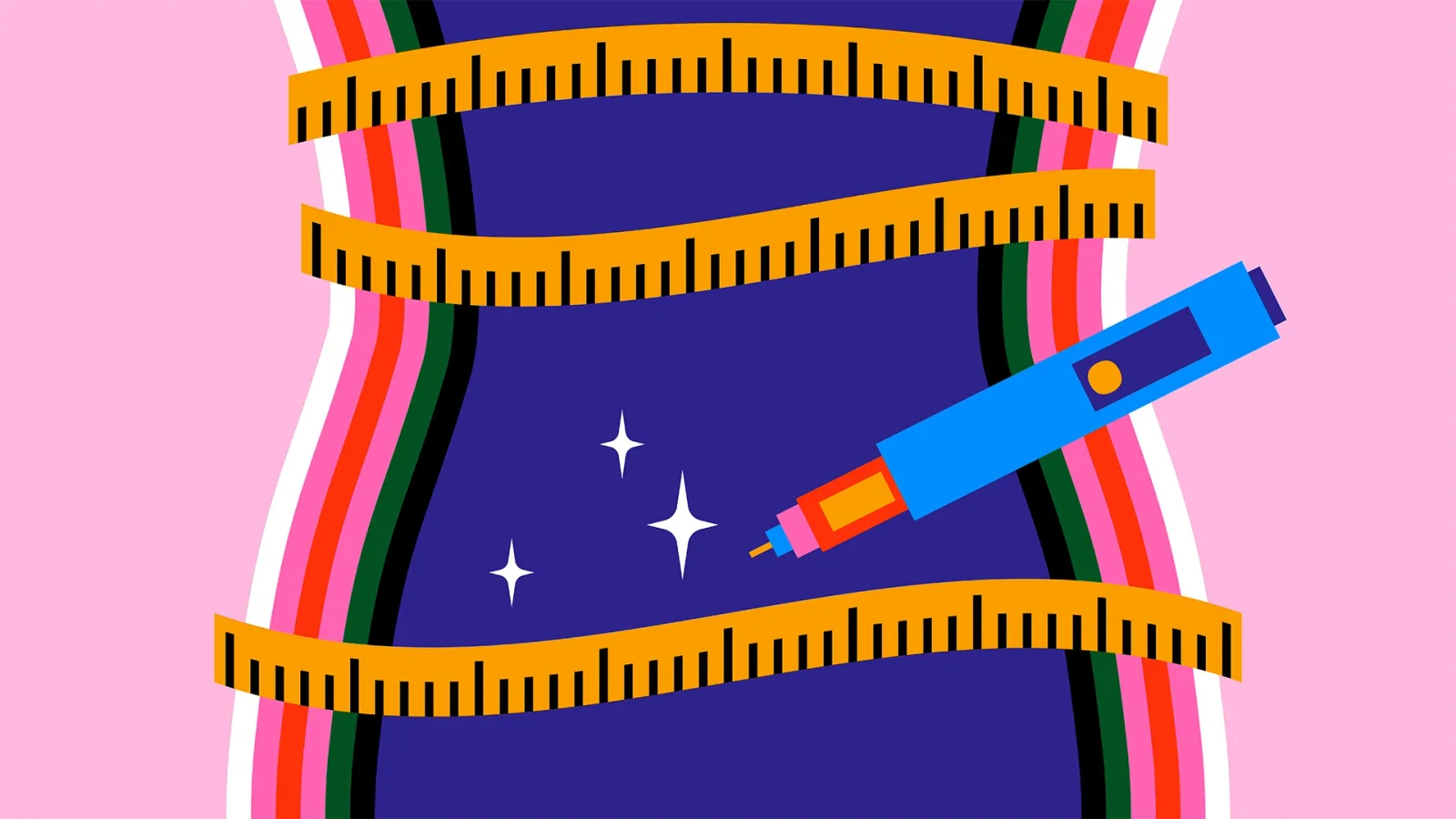

Red carpet stars have turned heads this awards season with dramatic slim-downs, spotlighting GLP-1 medications like Wegovy and Mounjaro. These weekly injections promise rapid weight loss, but they were designed to fight obesity and its risks—diabetes, heart disease, and early death—by mimicking the appetite-suppressing hormone GLP-1.
Yet, up to 20% of users see minimal results. Research shows initial losses often plateau, with nearly 85% of patients stalling completely, leading to frustration and dropout.
Quitting GLP-1 Drugs Leads to Rapid Regain
Oxford University researchers warn against stopping weight-loss injections. Users regained about a pound monthly post-quit, projected to recover most or all weight in 17-20 months, regardless of prior loss.
Emilly's Success: Hydration and Protein Unlocked Progress
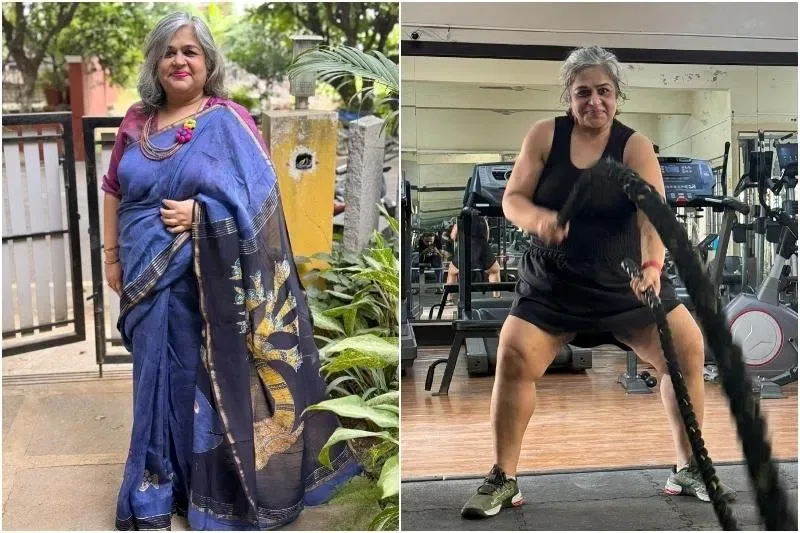
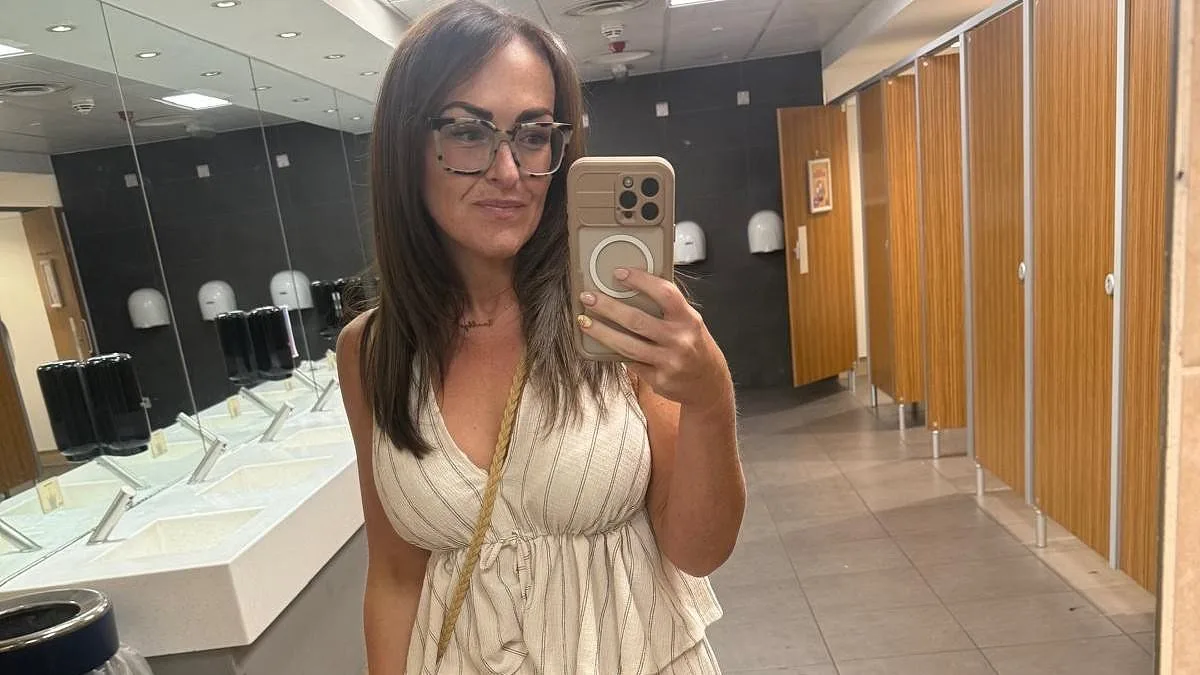
Emilly Murray, 35, a Liverpool nurse and mum-of-three, started Mounjaro in December 2024 at 22st (dress size 30). Her loss slowed near target weight, frustrating her.
She boosted protein and hydration. Water fills the stomach to curb hunger, while dehydration slows metabolism. Despite cold sensitivity from Mounjaro, she persisted and shed another five stone by summer, reaching 9st 2lb (size 6).
Neuroscientist Dr. Rubina Aktar notes GLP-1s slow stomach emptying for prolonged fullness, often reducing fluid intake.
Optimize Your GLP-1 Dosage
A July study of over 100 patients on Mounjaro and Wegovy found 86% achieved major loss on low doses. Strongest results hit at half max (7.5mg vs. starter 2.5mg); high doses (up to 15mg) risk more regain off-drug.
Plateaus may signal need for increase. Prof. Naveed Sattar, metabolic medicine expert at University of Glasgow, asks patients first if they've maxed their dose. "Many stay low longer than trials; if affordable and tolerable, up it when tapering," he says. Apps like Shotlee help track GLP-1 doses precisely.
Pair GLP-1s with Lifestyle Changes
Prof. David Strain, cardiometabolic health expert at Exeter University, stresses GLP-1s as enablers for diet and activity shifts, not solo fixes. Combined approaches outperform either alone.
Precision tracking for your journey
Join thousands using Shotlee to accurately track GLP-1 medications and side effects.
📱 Get the Shotlee App
Track your GLP-1 medications, peptides, and health metrics on the go with our mobile app!
Simple tweaks matter: exit bus early for walks. Prof. Sattar advises swapping ultra-processed foods for fruits/veggies, adding cycling, swimming, or extra walking once energy rises and food noise fades for sustainable habits.
Preserve Muscle to Avoid Plateaus
GLP-1s can strip up to 40% muscle, slowing metabolism, per gastroenterologist Dr. Debra Marcos. "Strength train 2-3x weekly with weights or bands to preserve muscle and boost fat loss," she urges.
Aim 25-35g protein per meal to protect/rebuild muscle. This restarted 41-year-old Tina Bashford's progress after stalling.
Walk After Meals and Eat Earlier
Prof. Strain recommends last meal by 6-7pm plus post-meal walks. Studies show earlier dinners enhance loss, metabolism, insulin sensitivity on/off GLP-1s. Post-lunch/dinner walks yielded 6lb monthly loss in one trial.
"Late eating to bed stores energy as fat; early meals plus walks burn it," he says.
Prioritize Sleep for GLP-1 Success
Prof. Sattar calls poor sleep an underrated barrier: it disrupts gut hormones, spikes hunger, and impairs impulse control. Aim 7-9 hours to balance ghrelin/leptin.
A 2012 US study linked better sleep to 33% higher weight loss success.
Boost Fiber Intake
Fiber lubricates the gut for fullness and smooth digestion, says Prof. Sattar. Load up on fruits, veggies, beans, oats, brown rice. Supplements or prunes (with sorbitol) work too—a study showed prunes increased stool weight/frequency.
Never Quit Cold Turkey on a Plateau
"Worst move: stop without lifestyle changes—you'll end worse off," warns Prof. Strain. Plateaus are normal; maintain for health gains, plan gradual taper at weight neutrality.