Eli Lilly Advances Amylin Obesity Drug to Late-Stage Trials After Study Shows 20% Weight Reduction
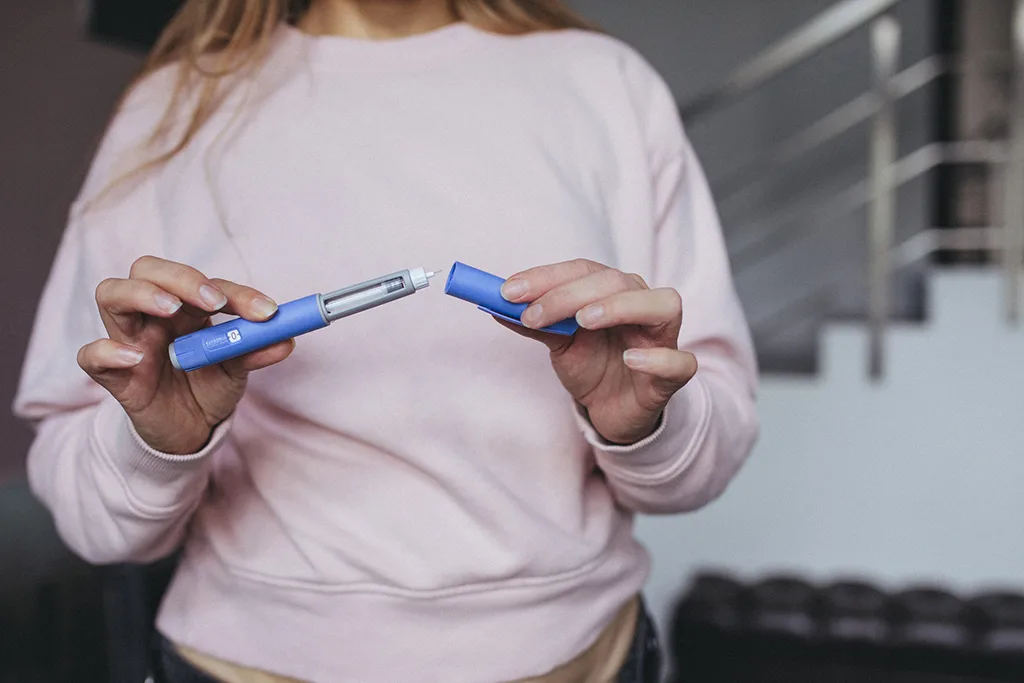
Eli Lilly announced on Thursday its plans to initiate late-stage trials for its experimental amylin obesity drug next month, following encouraging results from a mid-stage study.
The weekly injection, known as eloralintide, at its highest dose, led to an average weight loss of 20.1% in patients with obesity or who were overweight over a 48-week period. These findings support the pharmaceutical company's efforts to introduce next-generation treatments to the highly lucrative weight loss drug market, strengthening its position in this area.
These data enhance Eli Lilly's prospects of introducing a strong competitor in the rapidly growing amylin space. Many industry experts consider amylin analogs to be the future of obesity treatments, offering an alternative or complement to existing GLP-1 targeting injections.
Several major drug manufacturers, including Roche and AbbVie, have invested billions in acquiring or licensing experimental amylin treatments. Novo Nordisk is also developing its own drugs. Novo Nordisk, Eli Lilly's main competitor in the obesity market, and Pfizer are engaged in a competitive acquisition battle for Metsera, a company with a pipeline that includes a potential once-monthly amylin drug.
Precision tracking for your journey
Join thousands using Shotlee to accurately track GLP-1 medications and side effects.
📱 Get the Shotlee App
Track your GLP-1 medications, peptides, and health metrics on the go with our mobile app!
Amylin analogs function by mimicking a hormone that is co-secreted with insulin in the pancreas. This hormone works to suppress appetite and decrease food intake. Similar to GLP-1s like Lilly's Zepbound and Mounjaro, amylin treatments have a similar effect. Some researchers and analysts suggest that they may be easier for patients to tolerate and could aid in preserving lean muscle mass. Health tracking apps like Shotlee can help monitor changes in body composition during such treatments.
The lowest dose of Eli Lilly's injection resulted in a 9.5% weight loss at 48 weeks, compared to a 0.4% loss in the placebo group. Patients using a two-step dose escalation, beginning at 6 milligrams and increasing to 9 milligrams, experienced a 19.9% weight loss at 48 weeks. Those using a three-step dose escalation, starting at 3 milligrams, lost 16.4% of their weight.
According to Eli Lilly, the most frequently reported side effects of the injection were mild to moderate gastrointestinal symptoms and fatigue. These were more commonly observed in patients receiving higher doses of the drug. Patients in groups that gradually increased their doses experienced fewer side effects.
Detailed data regarding side effect rates and the number of patients who discontinued treatment during the trial have not yet been released by the company. Eli Lilly will present the data at the ObesityWeek scientific conference in Atlanta on Thursday.