
Deutsche Bank has reiterated its Buy rating on Eli Lilly (NYSE: LLY) stock, setting a price target of $1,285.00, driven by strong prescription data for GLP-1 medications. This analysis comes as Eli Lilly, with a market cap of $872 billion and a P/E ratio of 42.48 (PEG ratio of 0.44), demonstrates compelling growth potential in the GLP-1 space for diabetes and obesity treatment.
Understanding GLP-1 Medications and Their Role in Metabolic Health
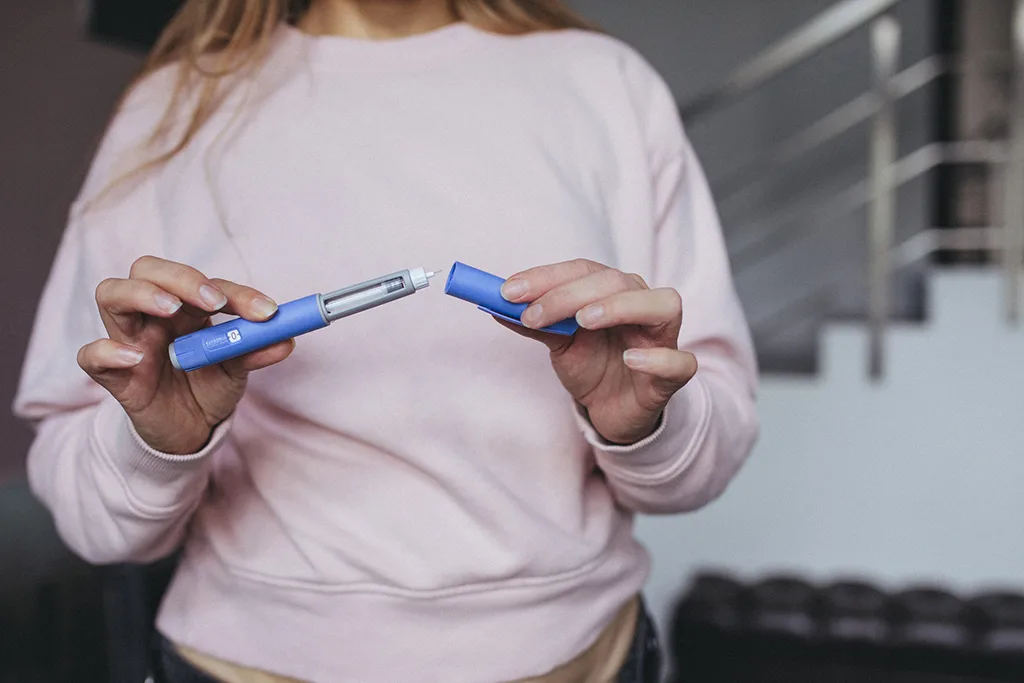
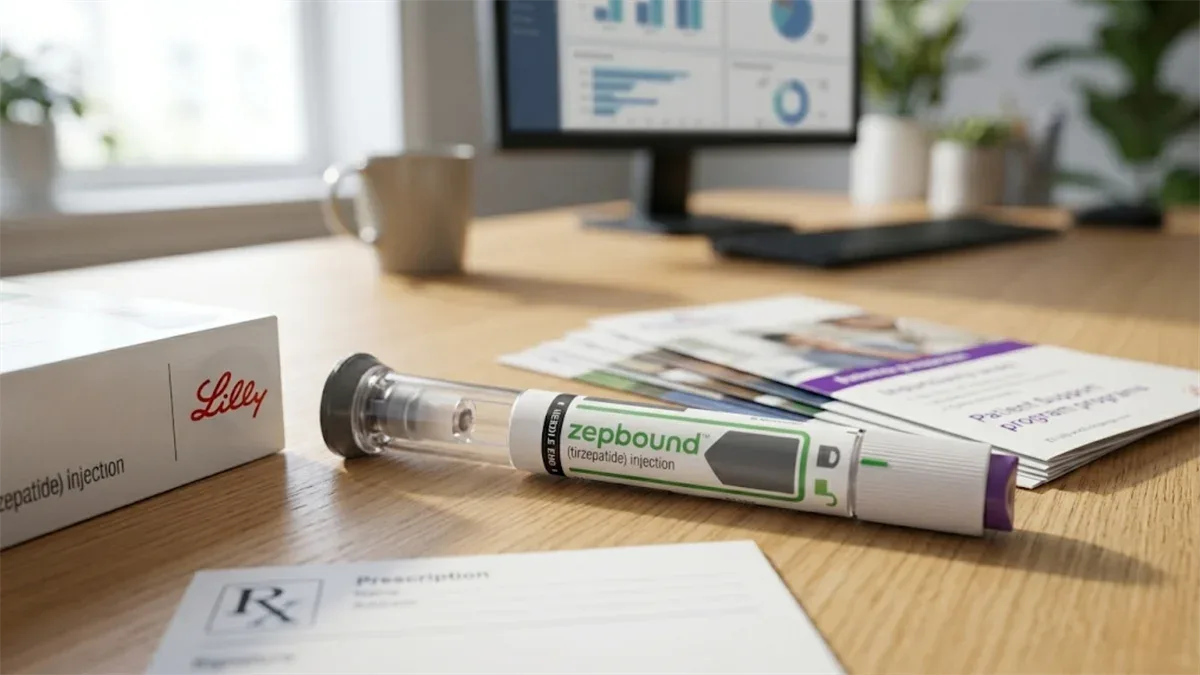
GLP-1 receptor agonists, or GLP-1s, mimic the glucagon-like peptide-1 hormone to regulate blood sugar, slow gastric emptying, and promote satiety. Drugs like Mounjaro (tirzepatide), Zepbound (tirzepatide for obesity), Ozempic (semaglutide), and Wegovy (higher-dose semaglutide) have transformed management of type 2 diabetes and obesity, often referred to as "diabesity." These medications not only aid weight loss—up to 15-20% body weight in trials—but also reduce cardiovascular risks, making their prescription growth a key indicator of market demand and therapeutic impact.
Why Prescription Trends Matter for Patients and Investors
Rising prescriptions signal real-world adoption beyond clinical trials. For patients with type 2 diabetes or obesity, GLP-1s offer a dual benefit: glycemic control and sustained weight management. Investors view this as a proxy for revenue growth, especially as Eli Lilly and Novo Nordisk dominate the landscape.
Deutsche Bank's Key Prescription Insights
Analyst James Shin highlighted that aggregate prescriptions for current-generation GLP-1 drugs—including Mounjaro, Zepbound, Ozempic, and Wegovy—rebounded 7% week-over-week for the week ending February 27, 2026. This marked a turnaround from a 4% decline the prior week (ending February 20, 2026), which was influenced by the President's Day holiday. On a trailing four-week basis, the GLP-1 class averaged 7% week-over-week growth.
Oral Wegovy Prescription Surge
Oral Wegovy prescriptions hit approximately 73,500 for the week of February 27, 2026, up from roughly 67,000 the previous week. The drug's trailing four-week and second launch month prescriptions reached about 235,000—far outpacing second launch month figures for injectable Wegovy (fewer than 26,000) and Mounjaro (approximately 67,000). This growth reflects patient preference for oral formulations, which avoid injection-related barriers while delivering semaglutide's benefits like appetite suppression and improved insulin sensitivity.
"In our view, the real litmus test for cannibalization / switching between oral & injectables will come from Orforg's debut, and whether ATTAIN-MAINTAIN data (pending publication and med conference presentations) facilitate switching." – James Shin, Deutsche Bank
Eli Lilly's Dominant Market Position
Eli Lilly holds approximately 60% share of the diabesity prescription landscape, compared to Novo Nordisk's 40%. Shin noted that switching dynamics between oral and injectable GLP-1s may be limited to the U.S. and developed ex-U.S. regions due to cold-chain storage constraints for injectables in other areas.
Comparing Eli Lilly vs. Novo Nordisk GLP-1s
| Drug | Company | Key Strength | Recent Prescription Trend |
|---|---|---|---|
| Mounjaro/Zepbound | Eli Lilly | GIP/GLP-1 dual agonist; superior weight loss | 724,500 total, 361,600 new (Feb 27 week) |
| Ozempic/Wegovy | Novo Nordisk | GLP-1 only; established CV benefits | Oral: 73,500 (Feb 27); Injectable lower |
Mounjaro prescriptions alone reached approximately 724,500 total and 361,600 new for the week of February 27, 2026, per Morgan Stanley's analysis, which also reiterated an Overweight rating with a $1,313 price target.