Oprah Winfrey, the iconic American talk show host, made waves at the recent Paris Fashion Week, drawing attention not only for her stylish ensemble but also for her strikingly slimmer appearance. The 72-year-old's transformation has sparked widespread speculation about whether she is taking Ozempic, the popular GLP-1 medication known for its weight-loss effects. This buzz highlights the growing cultural fascination with these drugs in celebrity circles and beyond.
Oprah's Chic Look at Paris Fashion Week Ignites Speculation
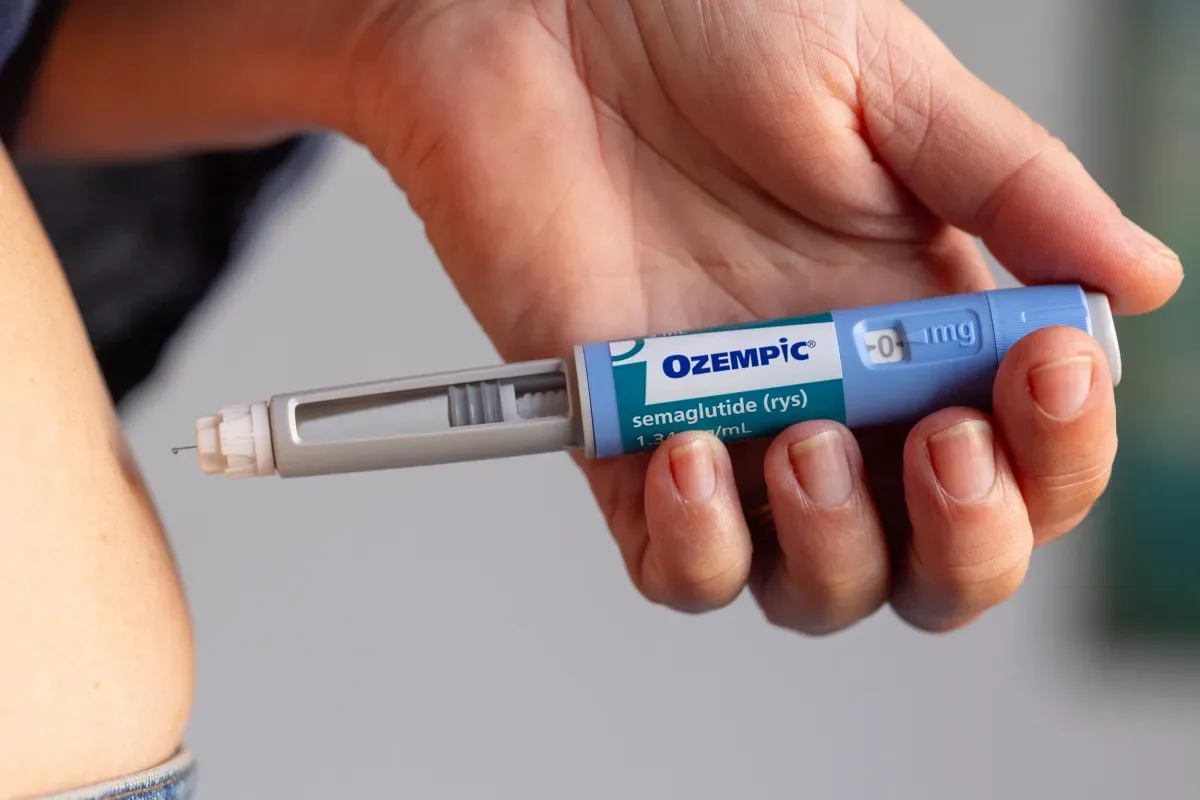
Viral videos from Paris Fashion Week captured Oprah dressed casually in jeans and a jacket, accessorized with a ponytail and stylish sunglasses. Her fresh, vibrant look quickly trended online, with fans marveling at her poise and critics dissecting the changes. This appearance wasn't just a fashion statement; it prompted immediate questions about her wellness routine, centering on Ozempic—a semaglutide-based injectable primarily approved for type 2 diabetes but widely used off-label for weight management.
Oprah's presence at such a high-profile event amplified the conversation, as observers noted how her slimmer silhouette seemed to defy age-related expectations. While no official video embed is available here, the clips circulating on social platforms showed her exuding confidence, prompting a mix of admiration and curiosity about her methods.
Social Media Reactions: Concern, Defense, and Ozempic Chatter
The internet lit up with reactions to Oprah's Paris Fashion Week debut. Some expressed health concerns, with one viewer asking, "What in the Ozempic Oprah is going on here?" Another added, "I'm afraid Oprah may OD on Ozempic. Welfare check, please!" These comments reflect broader anxieties about the rapid rise in GLP-1 drug use and potential overuse.
Others came to her defense, emphasizing natural aging processes. "She's almost 80 years old. It's completely normal for weight to decrease at that age," one supporter noted, while praising her vitality and suggesting weight loss could alleviate issues like knee pain. This divide underscores the polarized views on weight-loss medications like Ozempic, blending celebrity worship with genuine health discussions.
- Concerned voices: Fears of over-reliance or side effects from Ozempic.
- Supportive takes: Celebrations of health improvements and age-appropriate changes.
- Common theme: Ozempic as the go-to suspect for visible transformations.
Background on Ozempic and GLP-1 Medications
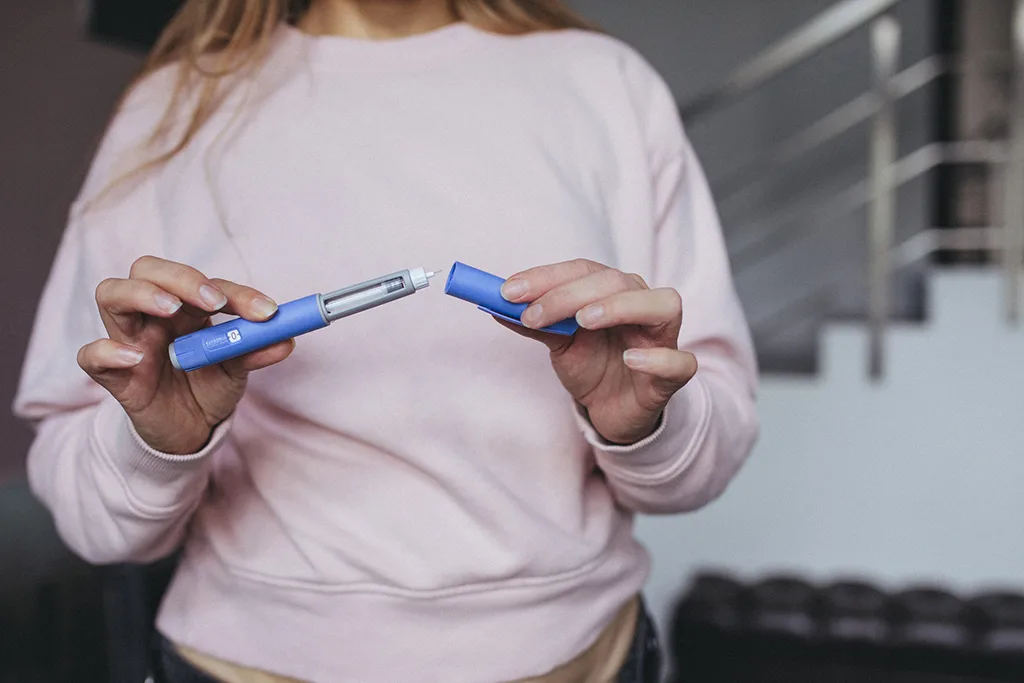
Ozempic, containing the active ingredient semaglutide, is an injectable medication often prescribed for type 2 diabetes management. It mimics the GLP-1 (glucagon-like peptide-1) hormone, which regulates blood sugar, slows gastric emptying, and signals fullness to the brain. Increasingly popular for weight loss, it has gained traction among those seeking sustainable results beyond traditional diets.
GLP-1 agonists like Ozempic work by targeting multiple pathways: reducing appetite, improving insulin sensitivity, and promoting gradual fat loss. Administered weekly via subcutaneous injection, typical starting doses are 0.25 mg, titrating up to 2.4 mg for weight management under brands like Wegovy (the higher-dose version for obesity). While effective, they require medical supervision due to potential gastrointestinal side effects like nausea or more serious risks such as pancreatitis.
How GLP-1 Drugs Differ from Traditional Weight-Loss Methods
Unlike stimulants or surgical options, GLP-1 medications address hormonal drivers of obesity. They help users eat only when hungry and stop when full—benefits Oprah herself has highlighted. Compared to alternatives like phentermine (short-term appetite suppressants), GLP-1s offer longer-term metabolic support, though they're not suitable for everyone and demand lifestyle integration.
Precision tracking for your journey
Join thousands using Shotlee to accurately track GLP-1 medications and side effects.
📱 Get the Shotlee App
Track your GLP-1 medications, peptides, and health metrics on the go with our mobile app!
Oprah Winfrey's Own Revelations on Weight-Loss Drugs
While Oprah has not confirmed using Ozempic specifically, she has openly discussed her experiences with weight-loss medications. In a January 2025 podcast, she shared a profound realization: "One of the things that I realised the very first time I took a GLP-1 was that all these years I thought that thin people just had more willpower; they ate better foods, they were able to stick to it longer, they never had a potato chip, and then I realised the very first time I took the GLP-1 that, 'Oh, they're not even thinking about it. They're only eating when they're hungry, and they're stopping when they're full.'"
"One of the things that I realised the very first time I took a GLP-1 was that all these years I thought that thin people just had more willpower..." — Oprah Winfrey, January 2025 podcast
This candid quote reframes weight management as a biological rather than purely volitional challenge, resonating with millions facing similar struggles. Oprah's history of public battles with weight adds authenticity to her endorsement of GLP-1 therapy, without naming Ozempic.
The Mechanism of GLP-1 Agonists: Why They Spark Transformations
GLP-1 receptor agonists like Ozempic bind to receptors in the pancreas, brain, and gut. This action:
- Stimulates insulin release in response to meals.
- Suppresses glucagon, preventing blood sugar spikes.
- Delays stomach emptying, enhancing satiety.
- Acts on the hypothalamus to curb hunger signals.
Clinical trials have shown average weight loss of 15-20% body weight over 68 weeks, making them transformative for conditions like obesity-related knee pain or metabolic syndrome. For a 72-year-old like Oprah, such benefits could improve mobility and vitality, aligning with social media defenses of her look.
Safety Considerations and Side Effects
Common side effects include nausea, vomiting, and diarrhea, often improving with time or dose adjustments. Rarer risks involve thyroid tumors (in rodents, monitored in humans) or gallbladder issues. Patients should discuss family history and undergo baseline screenings. Tools like Shotlee can help track symptoms, side effects, or injection schedules for better adherence.
Who Might Benefit from Ozempic or GLP-1 Therapy?
Candidates typically include those with BMI over 30, or 27+ with comorbidities like type 2 diabetes or cardiovascular disease. Consult a healthcare provider to weigh benefits against risks, especially for older adults. Oprah's story illustrates how these drugs can support lifelong health goals when combined with diet and exercise.
Comparisons to alternatives:
| Medication | Primary Use | Weight Loss Potential |
|---|---|---|
| Ozempic (semaglutide) | Diabetes/Weight loss | 15-20% |
| Metformin | Diabetes | 5-10% |
| Phentermine | Short-term obesity | 5-10% (limited duration) |
Key Takeaways: What Oprah's Buzz Means for You
- Oprah Winfrey's Paris Fashion Week appearance fueled Ozempic speculation, but she credits GLP-1 meds generally for mindset shifts.
- Social media mixes concern with praise, highlighting real benefits like reduced joint pain.
- GLP-1 agonists like Ozempic offer science-backed weight control via appetite regulation—discuss with your doctor.
- Preserve her exact quote: GLP-1 reveals hunger cues others experience naturally.
In conclusion, while we can't confirm Oprah's regimen, her story spotlights GLP-1 medications' role in metabolic health. For personalized advice, consult a specialist and consider tracking apps for optimal results. This celebrity moment underscores accessible paths to wellness.