
Could Ozempic and GLP-1s Help ADHD Symptoms?
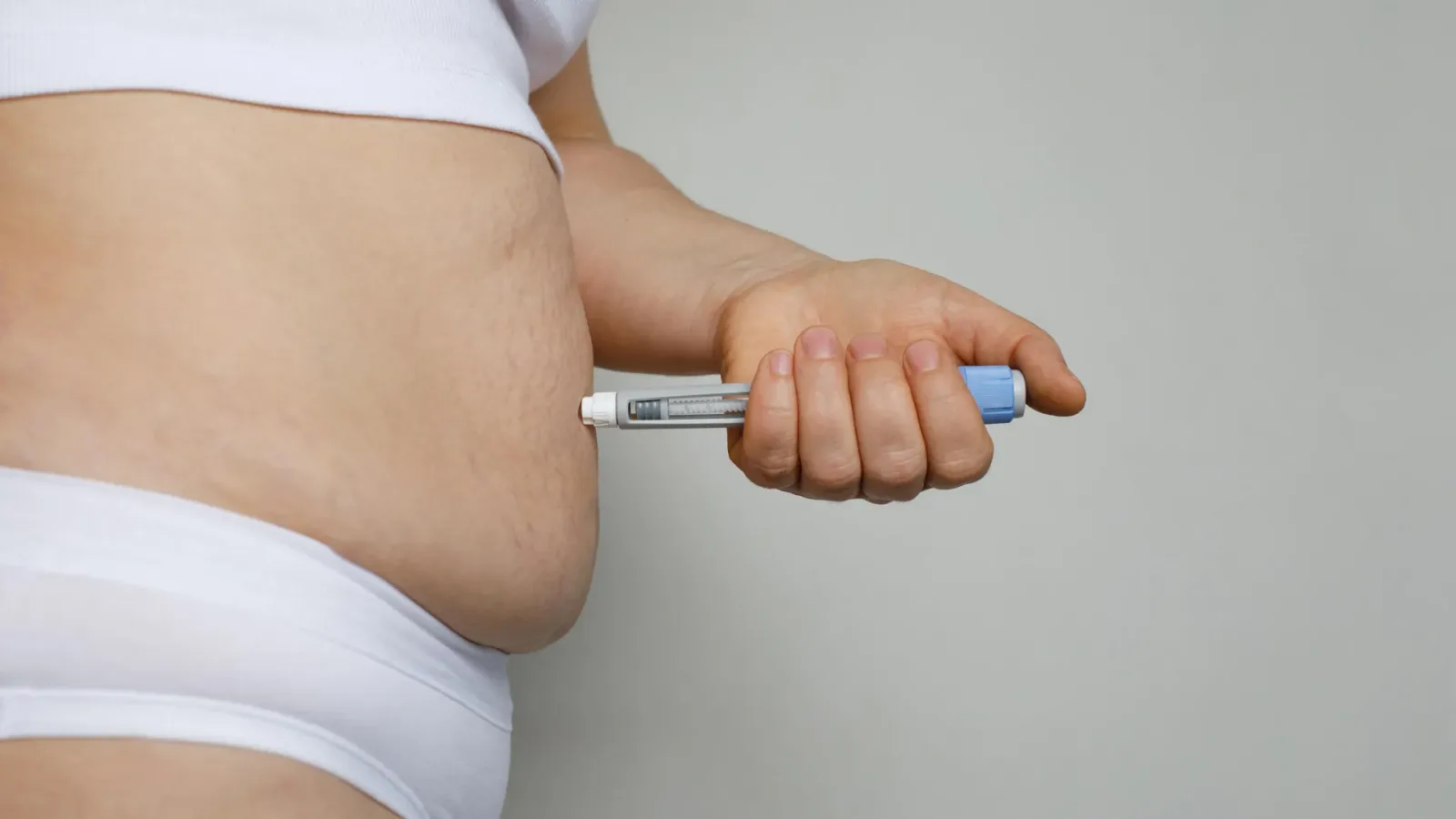
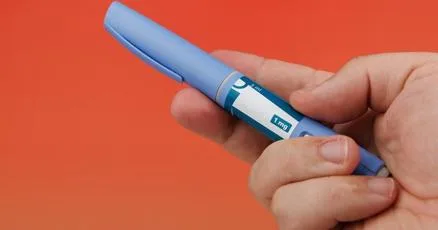
GLP-1 drugs like Ozempic and Zepbound have transformed medical treatment for obesity and Type 2 diabetes. Emerging anecdotes from people with ADHD suggest these medications might help manage ADHD symptoms, such as feeling calmer and more focused. But is there scientific backing for using Ozempic for ADHD? This guide dives into the reports, mechanisms, expert opinions, and crucial caveats.
What Are GLP-1 Drugs and How Do They Work?
Glucagon-like peptide-1 (GLP-1) receptor agonist drugs like Ozempic (semaglutide) and Mounjaro (tirzepatide, also branded as Zepbound for weight loss) treat obesity, Type 2 diabetes, and related conditions. These medications mimic GLP-1, a gut hormone that regulates appetite and hunger. By sending fewer hunger signals to the brain, GLP-1s reduce food cravings, help break down blood sugar, and slow gastric emptying.
Beyond metabolic benefits, GLP-1s act on brain regions controlling dopamine and reward systems—areas implicated in impulsivity and emotional regulation, key challenges in ADHD. The FDA has approved these drugs for sleep apnea and serious heart problems, with ongoing research into cravings for alcohol, opioids, and nicotine. For ADHD patients, the intrigue lies in how these effects might indirectly influence focus and self-control.
GLP-1s in the Brain: Dopamine and Reward Pathways
ADHD often involves atypical dopamine processing, leading to motivation, attention, and impulse control issues. GLP-1 drugs influence dopamine release in reward centers, potentially altering how the brain responds to stimuli like food. Mouse studies show changes in reward system activation during eating, hinting at broader implications. However, human brains differ, and no GLP-1 receptors are known on core ADHD-related areas like those for attention and executive function, per experts.
Quieting 'Food Noise' and Its Link to ADHD Symptoms
One compelling theory: GLP-1s dampen "food noise"—constant thoughts about food—that can exacerbate ADHD distractibility. Craig Surman, MD, director of the Clinical and Research Program in Adult ADHD and associate professor of psychiatry at Harvard Medical School, compares it to "wearing headphones" that block hunger distractions. Sugary, fatty, ultraprocessed foods trigger brain reward loops, pulling focus from tasks.
For some, silencing this noise enables better dietary choices, weight loss, improved sleep, and reduced self-criticism—indirectly easing ADHD traits. A woman diagnosed with ADHD 12 years ago shared with Understood that after starting Ozempic five years ago (alongside occasional Ritalin and cognitive behavioral therapy), her food obsessions vanished, taking some symptoms with them. Symptoms returned during breaks from the drug. Social media is rife with similar stories of boosted productivity and impulse control.
Anecdotal Reports vs. Scientific Evidence on GLP-1s and ADHD
While user experiences fuel buzz, there are no clinical trials testing GLP-1 drugs as a treatment for ADHD. No published evidence shows they directly improve attention or executive function—ADHD's core deficits. Improvements may stem from indirect effects like better sleep, weight loss, or placebo.
David Goodman, MD, PhD, assistant professor of psychiatry and behavioral sciences at Johns Hopkins University School of Medicine, notes GLP-1s might aid impulsivity but not attention or motivation. "If what worked in mice always worked in humans, we'd have cured lots of diseases," Surman adds. Some studies even report worsening ADHD symptoms on GLP-1s. Clinicaltrials.gov lists no active ADHD-specific GLP-1 studies; future research could take years.
Precision tracking for your journey
Join thousands using Shotlee to accurately track GLP-1 medications and side effects.
📱 Get the Shotlee App
Track your GLP-1 medications, peptides, and health metrics on the go with our mobile app!
Potential Combo with Standard ADHD Treatments
Proven ADHD therapies like stimulants (e.g., Ritalin) target dopamine directly. GLP-1s might complement by addressing co-occurring issues like impulsivity or compulsive eating. Goodman suggests stimulants for core symptoms and GLP-1s for residuals, but rigorous studies are needed to confirm safety and efficacy in this group.
Safety Considerations for ADHD Patients on GLP-1s
GLP-1s carry risks: digestive issues, headaches, dizziness, which could mimic or worsen ADHD-related functional challenges. Combined with stimulants, they may suppress appetite excessively, risking malnutrition, excessive weight loss, or hypoglycemia.
GLP-1s slow gastric emptying, but most ADHD pills are extended-release, minimizing absorption issues, per Goodman. Always obtain via trusted providers. Nutrition and exercise are vital; ADHD often complicates adherence, so accountability—like buddies or trainers—helps, Surman advises. Tools like Shotlee can track symptoms, side effects, and medication schedules for better doctor discussions.
"We know that brains do better when they're fed and rested, and when the body's been moved and exercised," Surman said. GLP-1s could support a holistic "healthier brain lifestyle," not just symptom tweaks.
Who Might Benefit and What to Discuss with Your Doctor
Not everyone with ADHD will see benefits; responses vary. If obesity, diabetes, or related issues qualify you for GLP-1s, monitor ADHD changes closely. Placebo effects are common in psychiatry.
Consult providers before starting—especially with ADHD meds. They can tailor plans balancing metabolic and mental health. Avoid off-label use without oversight; experts like Goodman caution against hype: "It's remarkably early for any kind of prime-time clinical consideration."
Key Takeaways: What This Means for Patients
- Anecdotal wins: Some report calmer focus from reduced food noise on Ozempic, Zepbound, etc.
- No proof: Lacks trials; indirect effects likely, not direct ADHD treatment.
- Expert view: Possible impulsivity aid, but not standalone; combos need study.
- Risks: Side effects, interactions; prioritize nutrition/exercise.
- Next steps: Talk to doctors; track holistically.
Conclusion: Promising but Premature for ADHD
There are reasons to think GLP-1s like Ozempic could help manage ADHD symptoms by quieting food noise and enhancing health. Yet, without research on attention/executive function, they shouldn't replace proven assessments and treatments. If curious, discuss with your healthcare provider for a personalized plan. Stay informed as studies evolve—your whole health matters.
Additional reporting by Renée Fabian. This story was produced by Understood and reviewed and distributed by Stacker.