
Aspen Plans Mounjaro Rollout in Sub-Saharan Africa
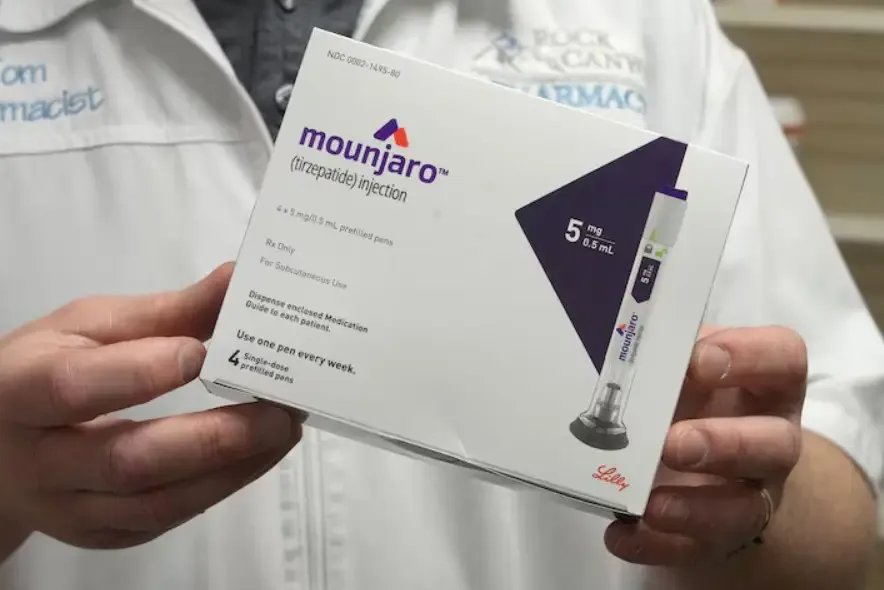
Aspen Pharmacare, a leading South African pharmaceutical company, is racing to secure regulatory approval for Eli Lilly's weight-loss drug Mounjaro across sub-Saharan Africa as early as this year. This ambitious Mounjaro rollout in sub-Saharan Africa aims to capitalize on surging demand for GLP-1 treatments amid rising obesity rates. Since its late-2024 launch in South Africa, Mounjaro has already transformed the local GLP-1 market, which has tripled in value to $133.6 million in just 18 months, with the drug capturing more than half the market and on track to surpass $78.97 million in annual sales.
Mounjaro's Breakthrough in South Africa
Mounjaro, developed by Eli Lilly, entered South Africa's market in late 2024 and quickly became a dominant force. The GLP-1 sector's rapid growth—from a modest base to $133.6 million—reflects heightened awareness of obesity as a public health crisis. In South Africa, where over 68% of adults are overweight or obese according to World Health Organization data, effective treatments like Mounjaro address a critical need.
Aspen's CEO announced the sub-Saharan expansion plans after securing registration for the KwikPen device, a user-friendly injector that enhances accessibility. This positions Aspen as a key manufacturing and distribution partner for global pharma giants like Eli Lilly, bridging the gap between innovation and local supply chains.
Market Dominance and Sales Projections
- Mounjaro holds more than half of South Africa's GLP-1 market.
- Projected annual sales: $78.97 million.
- Overall GLP-1 market value: $133.6 million, tripled in 18 months.
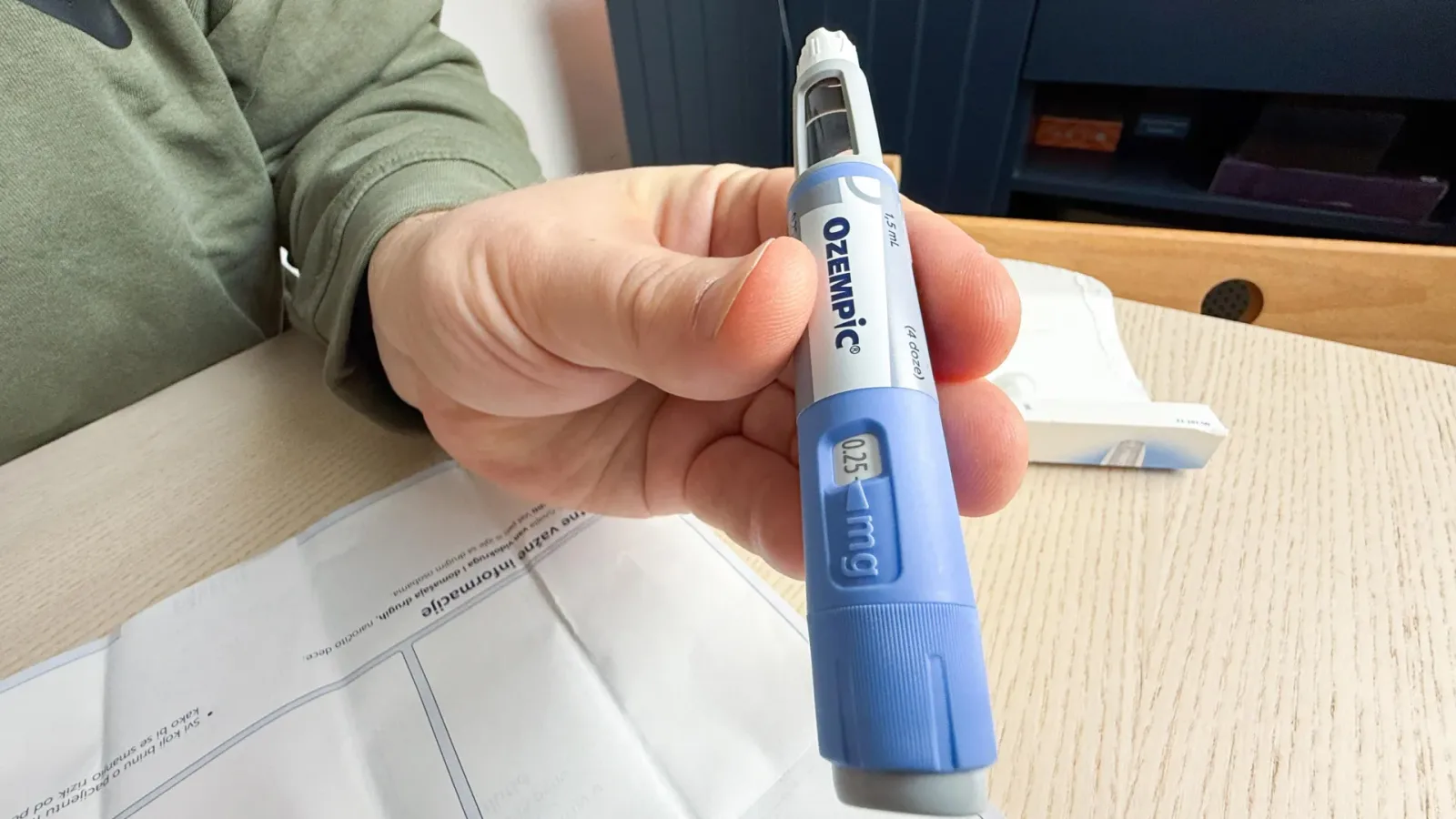
These figures underscore Mounjaro's edge over competitors like semaglutide-based drugs (e.g., Ozempic or Wegovy), thanks to its dual GLP-1/GIP mechanism for superior weight loss—up to 20-25% body weight reduction in clinical trials.
Aspen's Strategic Expansion into Sub-Saharan Africa
Currently, GLP-1 treatments remain scarce across the African continent, particularly in lower-income markets. Aspen's push for Mounjaro approval represents a crucial test of how quickly cutting-edge weight-loss drugs can scale to regions with high unmet needs. Sub-Saharan Africa faces obesity rates climbing to 11% in adults, per recent Lancet studies, compounded by diabetes prevalence exceeding 24 million cases.
By leveraging its manufacturing expertise and KwikPen registration, Aspen aims to localize production, reduce costs, and improve distribution. This rollout could mirror South Africa's success, making Mounjaro available in countries like Nigeria, Kenya, and Ethiopia, where private clinics and public health systems struggle with supply shortages.
Why Sub-Saharan Africa Now?
The timing aligns with global GLP-1 demand, but local factors amplify urgency: urbanization, dietary shifts toward processed foods, and limited access to bariatric surgery. Aspen's role as a distribution partner ensures affordability through partnerships, potentially pricing Mounjaro competitively against generics or lifestyle interventions.
How Mounjaro Works: The Science Behind the Success
Mounjaro (tirzepatide) is a dual agonist targeting GLP-1 and GIP receptors in the gut and brain. This mechanism mimics hormones that regulate appetite, slow gastric emptying, and enhance insulin secretion, leading to significant weight loss and glycemic control.
Precision tracking for your journey
Join thousands using Shotlee to accurately track GLP-1 medications and side effects.
📱 Get the Shotlee App
Track your GLP-1 medications, peptides, and health metrics on the go with our mobile app!
- Weight loss efficacy: Clinical data shows 15-22.5% reduction over 72 weeks, outperforming single GLP-1 agonists.
- Heart health benefits: Reduces cardiovascular risks, relevant for Africa's rising metabolic syndrome.
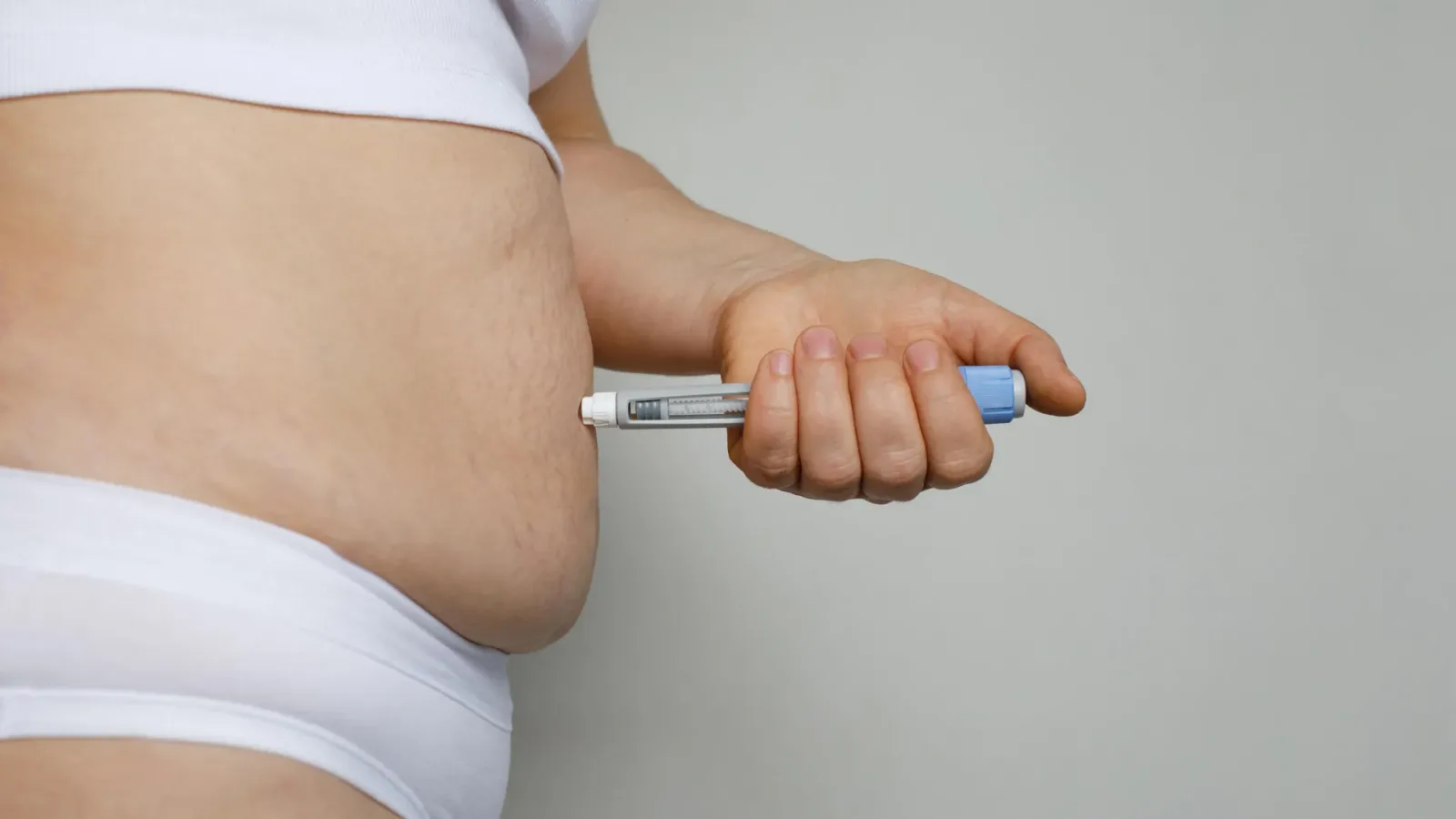
- Dosing: Weekly subcutaneous injections via KwikPen, starting at 2.5mg, titrated to 15mg.
In South Africa's context, this translates to real-world transformations, fueling the market's tripling.
Challenges in Bringing GLP-1s to Lower-Income Markets
While promising, the Mounjaro sub-Saharan Africa rollout faces hurdles: regulatory harmonization via bodies like the African Medicines Agency, cold-chain logistics, and counterfeit risks. High costs—initially $1,000+ monthly—could limit access without subsidies. Aspen’s local manufacturing mitigates this, positioning the region for equitable peptide therapy adoption.
Comparisons to alternatives highlight Mounjaro's value: Versus Wegovy (semaglutide), it offers greater weight loss; versus older drugs like phentermine, it provides sustained results without stimulants.
Safety, Side Effects, and Patient Guidance
Mounjaro is generally well-tolerated, but common side effects include nausea, diarrhea, and injection-site reactions, often resolving with time. Rare risks: pancreatitis, gallbladder issues, or thyroid tumors (boxed warning). Patients should monitor via apps like shotlee">Shotlee for symptom tracking during titration.
Who should consider Mounjaro?
- Adults with BMI ≥30, or ≥27 with comorbidities like hypertension.
- Discuss with doctors: contraindications include medullary thyroid cancer history or pregnancy.
In Africa, consult endocrinologists for personalized plans, combining Mounjaro with diet and exercise for optimal metabolic health.
Key Takeaways: What This Means for Patients and Providers
Aspen's Mounjaro expansion promises broader access to transformative GLP-1 therapy in sub-Saharan Africa, building on South Africa's $133.6 million market boom. Patients gain a powerful tool against obesity; providers, a reliable supply chain.
- Preserve excitement: Mounjaro's 50%+ market share and $78.97M sales trajectory.
- Actionable: Monitor approvals, discuss with HCPs, track progress diligently.
- Future outlook: This rollout could redefine peptide therapy in emerging markets.
In conclusion, Aspen's KwikPen-secured push tests GLP-1 scalability, offering hope for millions. Stay informed on regulatory updates for timely access to Mounjaro's benefits.