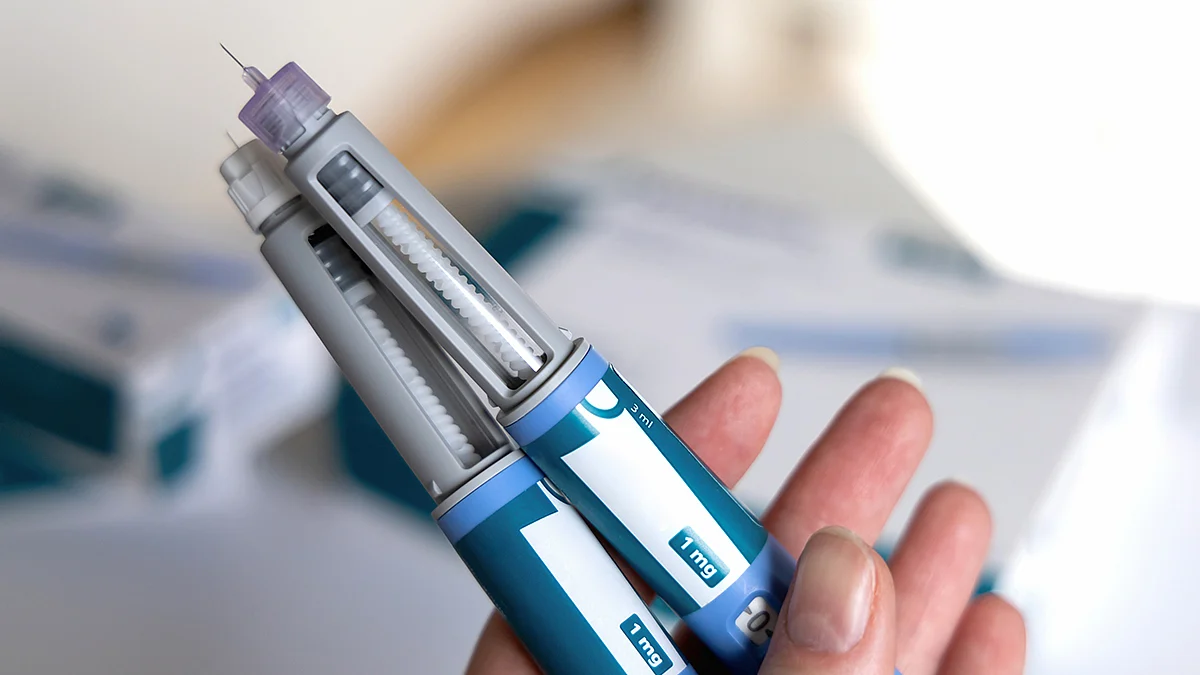
Key Findings from the Leger Healthcare Survey on GLP-1 Drugs in Canada
A groundbreaking survey by Leger Healthcare highlights the widespread adoption of GLP-1 drugs in Canada, estimating that about three million Canadian adults are currently taking medications like Ozempic or Mounjaro. Conducted online with 1,536 Canadians and 1,012 Americans aged 18 and over from February 6 to 9, the poll provides valuable insights into how these drugs are transforming appetites, daily habits, and consumer behaviors. Eight per cent of Canadian respondents reported taking a prescription GLP-1 medication, which researchers extrapolated to roughly three million adults using 2025 population statistics. Meanwhile, six per cent expressed interest but weren't taking them, equating to more than two million potential users.
GLP-1 drugs, or glucagon-like peptide-1 receptor agonists, mimic the GLP-1 hormone naturally produced in the gut. They work by slowing gastric emptying, signaling the brain to reduce hunger, and regulating blood sugar levels—making them effective for type 2 diabetes management and weight loss. This mechanism explains the survey's core observation: more than half of users reported decreased appetite, and 40 per cent noted fewer food cravings.
Shifts in Eating Habits and Spending Patterns
The survey underscores how these appetite-suppressing effects are reshaping lifestyles. About 30 per cent of GLP-1 users said they go to restaurants or get takeout less often. A third reported buying more fresh fruits, vegetables, and protein-rich foods, aligning with healthier dietary patterns promoted in metabolic health guidelines.
Beyond groceries, 35 per cent of users order smaller portions, choose lighter or healthier options, or don't finish their meals. Notably, 36 per cent have decreased their alcohol consumption, potentially reducing calorie intake further. These changes extend to non-food spending: increased purchases of clothes, personal care products, beauty services, and fitness-related items reflect confidence boosts from weight loss and improved well-being.
Reasons Canadians Are Turning to GLP-1 Medications
Weight loss emerged as the number one reason people are taking or considering GLP-1 drugs, followed closely by diabetes management. Interestingly, 22 per cent cited heart health as a motivator, with men more likely than women to mention this benefit. This aligns with emerging evidence on GLP-1s' cardiovascular protective effects, such as reducing risks in patients with obesity-related heart conditions.
For context, GLP-1 drugs like semaglutide (Ozempic, Wegovy) and tirzepatide (Mounjaro, Zepbound) have shown substantial weight reductions—up to 15-20 per cent body weight in clinical trials—alongside better glycemic control. Patients with metabolic syndrome, where obesity, diabetes, and heart risks intersect, often see compounded benefits.
Comparisons: GLP-1 Use in Canada vs. the U.S.
GLP-1 adoption is even higher south of the border, with 11 per cent of U.S. respondents saying they take the medications—twice the Canadian rate. Americans were also more enthusiastic, with 12 per cent expressing interest compared to six per cent of Canadians. This disparity may stem from differences in insurance coverage, pricing, and marketing reach.
Barriers to GLP-1 Access: Cost, Insurance, and Side Effects
Despite interest, significant hurdles remain. More than half of interested Canadians said insurance coverage or lower-cost generics would influence their decision. A quarter of current users pay fully out-of-pocket for these drugs, which can cost hundreds of dollars monthly. Twenty-eight per cent have full coverage via private or public plans, while nearly half have partial coverage.
Side effects deter 36 per cent of potential users. Common gastrointestinal issues include nausea, vomiting, constipation, and diarrhea. More severe risks like gallbladder inflammation and pancreatitis exist, though doctors note most are minor and manageable with dose titration or supportive care. Patients starting GLP-1 therapy should monitor symptoms closely—tools like Shotlee can help track side effects, dosages, and progress for better doctor discussions.
"GLP-1s are no longer a niche health topic. They're a mainstream consumer and health-care story," said Melicent Lavers-Sailly, vice-president of research at Leger Healthcare. "What the research found is that the impact of GLP-1s is showing up in shopping baskets and behaviours, not just prescriptions."
Understanding GLP-1 Drugs: Mechanisms and Clinical Context
GLP-1 receptor agonists like Ozempic (semaglutide) and Mounjaro (tirzepatide, a dual GLP-1/GIP agonist) bind to receptors in the pancreas, brain, and gut. This promotes insulin release, suppresses glucagon, delays stomach emptying, and curbs appetite via hypothalamic signaling. For Canadians with obesity (BMI ≥30) or overweight with comorbidities, these drugs offer a targeted approach beyond lifestyle changes alone.
Compared to alternatives like older diabetes meds (e.g., metformin) or weight loss surgeries, GLP-1s provide non-invasive, reversible options with sustained results when combined with diet and exercise. Mounjaro may edge out Ozempic in weight loss efficacy due to its dual action, per head-to-head trials, though individual responses vary.
Who Should Consider GLP-1 Therapy?
Ideal candidates include adults with type 2 diabetes not controlled by oral meds, or those with obesity seeking 5-10 per cent+ weight loss. Heart health seekers, especially with prior events, may benefit from drugs like Ozempic, backed by trials like SELECT showing reduced major adverse cardiovascular events. Always consult a physician to assess risks, starting with low doses (e.g., 0.25mg weekly for Ozempic) and titrating up.
Safety Profile and Management Tips
While effective, GLP-1s aren't risk-free. Monitor for dehydration from GI effects, and avoid if history of medullary thyroid cancer or pancreatitis. Long-term data shows tolerability improves over time. Pairing with fiber-rich foods, hydration, and gradual introductions minimizes issues. Regular check-ins ensure benefits outweigh risks.
Key Takeaways: What This Survey Means for Patients
- 3 million Canadians on GLP-1s, with appetite reduction driving habit changes like less dining out and healthier shopping.
- Weight loss primary motivator; heart health key for 22 per cent.
- Cost/insurance barriers for over half interested; side effects concern 36 per cent.
- U.S. leads in usage (11 per cent) and interest (12 per cent).
- Behavioral ripple effects: smaller portions, less alcohol, more fitness spending.
Conclusion: Navigating GLP-1 Therapy in Canada
The Leger Healthcare survey paints GLP-1 drugs as a transformative force in Canadian health, with 3 million users experiencing appetite and habit shifts that support metabolic goals. As access improves via generics or expanded coverage, more may join—provided side effects are managed. Discuss with your doctor if GLP-1s fit your profile, track progress diligently, and integrate with sustainable habits for optimal outcomes. For related topics like peptide therapy comparisons or diabetes management, explore our guides on Ozempic dosing and metabolic health strategies.