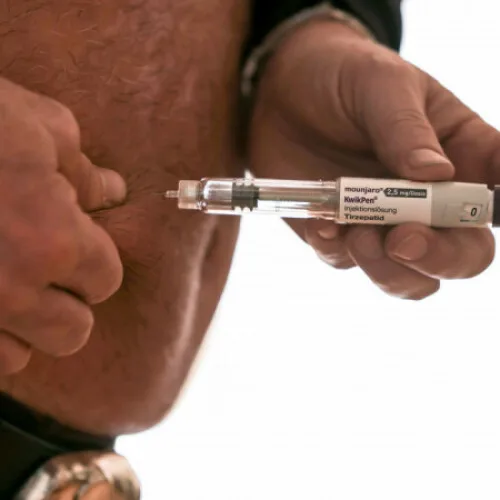

Wegovy and Ozempic, popular GLP-1 drugs containing semaglutide, could significantly reduce the risk of life-threatening complications following a heart attack, according to a groundbreaking study. Led by the University of Bristol and University College London (UCL), the research highlights how these medications prevent tissue damage by addressing the 'no-reflow' phenomenon, which impacts up to half of all heart attack patients. This finding suggests paramedics could administer the jabs at the scene, offering a rapid intervention to improve outcomes.
Understanding the No-Reflow Complication in Heart Attacks
During a heart attack, the primary goal of emergency treatment is to restore blood flow by clearing the blocked main artery. However, in nearly half of patients, tiny blood vessels within the heart muscle remain narrowed, leading to a complication called 'no-reflow.' This prevents blood from reaching certain parts of the heart tissue, increasing the risk of death or hospital readmission for heart failure within a year.
What Causes No-Reflow?
The study identifies pericytes—specialized cells that constrict blood vessels at the onset of a heart attack—as key culprits. These cells reduce blood flow, exacerbating damage even after the main blockage is resolved. Previous research from the team has shown this narrowing contributes significantly to poor long-term prognosis.
No-reflow affects microvessels that supply the heart muscle, making it a critical barrier to full recovery. Restoring flow through these smaller vessels is essential, yet current treatments focus mainly on larger arteries.
The GLP-1 Drugs Study: Methods and Key Findings
The new research, published in Nature Communications, examined GLP-1 receptor agonists, including semaglutide found in Wegovy and Ozempic. Using mouse models simulating heart attacks, scientists observed powerful effects on preventing tissue damage.
- GLP-1 drugs improved blood flow to the heart by activating potassium channels.
- This activation relaxes pericytes, allowing constricted blood vessels to reopen.
- The result: Reduced risk of further heart damage from no-reflow.
Importantly, the drugs showed benefits even in patients who had never used them before, making them suitable for acute administration.
Expert Insights from the Research Team
"In nearly half of all heart attack patients, tiny blood vessels within the heart muscle remain narrowed, even after the main artery is cleared during emergency medical treatment. This results in a complication known as 'no-reflow', where blood is unable to reach certain parts of the heart tissue."
— Dr. Svetlana Mastitskaya, senior lecturer in cardiovascular regenerative medicine at Bristol Medical School and lead author
Dr. Mastitskaya emphasized the surprise in their findings: "Our previous research has shown that this narrowing of blood vessels contributes significantly to 'no-reflow'... But our latest findings are surprising in that we have found GLP-1 drugs may prevent this problem."
She added to the Press Association: "The drugs can be given by paramedics attending the patient even on the way to the hospital and/or during surgical reopening of the occluded artery. This needs to be determined by clinical trials."
"With an increasing number of similar GLP-1 drugs now being used in clinical practice, for conditions ranging from type 2 diabetes and obesity to kidney disease, our findings highlight the potential for these existing drugs to be repurposed to treat the risk of 'no-reflow' in heart attack patients, offering a potentially life-saving solution."
— Professor David Attwell, UCL, co-lead author
Professor Bryan Williams, chief scientific and medical officer at the British Heart Foundation, provided broader context:
Precision tracking for your journey
Join thousands using Shotlee to accurately track GLP-1 medications and side effects.
📱 Get the Shotlee App
Track your GLP-1 medications, peptides, and health metrics on the go with our mobile app!
"Restoring blood flow to the heart muscle is a major objective of heart attack treatment... This research suggests that mimicking the action of the GLP‑1 hormone may have potential to improve blood flow through microvessels and perhaps one day could have a role in heart attack treatment. This will require detailed studies in humans and clinical trials first."
He noted that large trials of GLP-1 medicines like Ozempic and Wegovy have shown heart health benefits beyond weight loss, and this study offers a mechanistic explanation via microvessel improvement.
How GLP-1 Drugs Like Wegovy and Ozempic Work Mechanistically
GLP-1 receptor agonists mimic the glucagon-like peptide-1 hormone, primarily used for type 2 diabetes and obesity management. They promote insulin secretion, slow gastric emptying, and reduce appetite. But cardiovascular effects are increasingly recognized.
Role in Heart Attack Microcirculation
In this context, semaglutide activates potassium channels in pericytes, leading to hyperpolarization and relaxation of vascular smooth muscle. This dilates microvessels, countering the constriction triggered by ischemia during a heart attack. Unlike traditional vasodilators, GLP-1 drugs target this specific pathway, potentially offering targeted protection.
Previous studies confirm GLP-1 drugs lower risks of serious heart problems, independent of weight loss or baseline health conditions, aligning with these microvascular findings.
Clinical Implications: Paramedic Administration and Future Trials
Experts envision GLP-1 jabs like Wegovy and Ozempic given by paramedics at the heart attack scene or en route to the hospital. This could bridge the gap before surgical intervention, minimizing no-reflow incidence.
However, human clinical trials are essential to validate mouse data, determine optimal dosing, and assess safety in acute settings. With GLP-1 drugs already widely used, repurposing could accelerate adoption if trials succeed.
Broader Cardiovascular Benefits of GLP-1 Medications
Beyond no-reflow, semaglutide reduces major adverse cardiovascular events (MACE) in trials like SELECT and LEADER. These include heart attacks, strokes, and cardiovascular death, with benefits persisting regardless of diabetes status.
| GLP-1 Drug | Primary Use | Key Heart Benefits |
|---|---|---|
| Ozempic/Wegovy (semaglutide) | Diabetes/Obesity | Lower MACE, improved microcirculation |
Comparisons to alternatives like statins or antiplatelets show GLP-1 drugs complement standard care, especially for patients with metabolic risks.
Patient Guidance: Who Might Benefit and What to Discuss with Your Doctor
If you have cardiovascular risk factors like obesity, type 2 diabetes, or prior heart issues, ask about GLP-1 therapies. While not yet approved for acute heart attack use, ongoing research supports their preventive role.
- Discuss risks: Common side effects include nausea, gastrointestinal issues; rare risks like pancreatitis or thyroid tumors.
- Monitoring: Tools like Shotlee can help track symptoms, side effects, or medication adherence during therapy.
- Lifestyle integration: Combine with diet, exercise, and standard cardiac meds for optimal results.
Patients post-heart attack should prioritize blood pressure, cholesterol, and weight management, where GLP-1 drugs excel.
Key Takeaways and What This Means for Patients
- GLP-1 drugs like Wegovy and Ozempic prevent no-reflow by relaxing pericytes via potassium channels.
- Up to half of heart attack patients face this complication; these drugs could slash associated risks.
- Potential for paramedic use awaits clinical trials.
- Existing heart benefits are independent of weight loss.
- Consult your cardiologist about GLP-1 options for metabolic and cardiac health.
Conclusion: A Promising Step Forward in Heart Attack Care
This University of Bristol and UCL study underscores the untapped potential of Wegovy and Ozempic in combating no-reflow, a deadly heart attack complication. By improving microvessel blood flow, these GLP-1 drugs could transform emergency response and long-term outcomes. Stay informed on trial progress and discuss with your healthcare provider how semaglutide fits your heart health strategy. Early intervention saves lives—research like this paves the way.