
In a significant analysis of GLP-1 receptor agonists (GLP-1 RAs) prescribing patterns among youth, researchers report that only 20% of potentially eligible adolescents receive these medications. Published online March 2, 2026, in Pediatrics, the study underscores modest uptake focused on older youth with severe obesity, while barriers like cost and insurance disrupt treatment continuity. This finding sheds light on GLP-1 RAs for youth obesity, a growing concern amid rising adolescent BMI rates.
Study Overview: Examining GLP-1 RA Prescriptions in Adolescents
Emily F. Gregory, M.D., from the Perelman School of Medicine at the University of Pennsylvania in Philadelphia, and colleagues conducted a retrospective cohort study involving youth aged 12 to 17 years with BMI ≥95th percentile for age and sex. This group represents those potentially eligible for obesity interventions, including GLP-1 RAs like semaglutide (Ozempic, Wegovy) or liraglutide (Saxenda), which are approved for pediatric use in specific cases.
The study reviewed 1,647 youth, finding that 325 (20 percent) had one or more GLP-1 RA prescriptions. Prescription patterns and barriers were detailed through electronic health records and chart reviews, providing a real-world snapshot of how these drugs are deployed in pediatric care networks.
Demographic and Clinical Factors Influencing Prescriptions
The odds of GLP-1 RA prescription increased with increasing age, increasing BMI, abnormal laboratory testing results, and non-Hispanic White or Hispanic race and ethnicity (versus non-Hispanic Black). This suggests providers prioritize youth with more pronounced obesity severity and comorbidities, potentially reflecting guideline recommendations or resource allocation.
Key Findings on Prescription Rates and Interruptions
Among a chart review of 102 youth with GLP-1 RA prescriptions, 65 youth (64 percent) experienced GLP-1 RA interruptions, most often related to cost and insurance coverage. "We found that GLP-1 RAs prescribing was modest compared to potential eligibility in our network and focused on older youth with more severe obesity and more comorbidities," the authors write. "Even among youth prescribed GLP-1 RAs, multiple factors interfered with efficient achievement and maintenance of treatment."
- 20% prescription rate: Out of 1,647 eligible youth.
- Higher odds factors: Age, BMI, abnormal labs, non-Hispanic White/Hispanic ethnicity.
- 64% interruption rate: Primarily due to financial barriers.
What Are GLP-1 Receptor Agonists and How Do They Work?
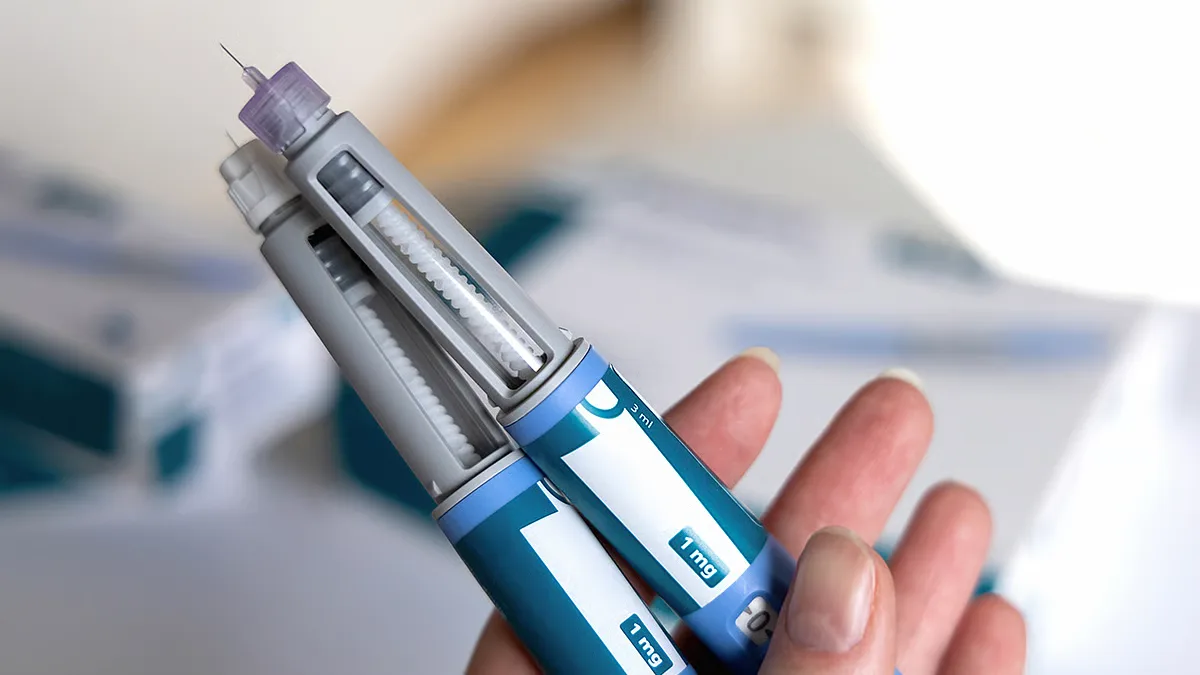
GLP-1 RAs mimic the glucagon-like peptide-1 hormone, which regulates blood sugar, slows gastric emptying, and signals fullness to the brain. In youth with obesity (BMI ≥95th percentile), they promote weight loss by reducing appetite and caloric intake. FDA-approved options for adolescents include liraglutide (≥12 years) and semaglutide (Wegovy for ≥12 years), showing 12-15% BMI reductions in trials like STEP-Teens.
These medications address the multifactorial nature of pediatric obesity, where lifestyle interventions alone often fall short. By targeting metabolic pathways, GLP-1 RAs offer a pharmacologic bridge to sustained weight management, potentially lowering risks for type 2 diabetes and cardiovascular issues later in life.
The Growing Need for Obesity Treatments in Youth
Obesity affects over 20% of U.S. adolescents, with BMI ≥95th percentile linked to hypertension, dyslipidemia, and psychosocial challenges. Traditional approaches—diet, exercise, behavioral therapy—yield modest results (5-10% weight loss), prompting interest in GLP-1 RAs. This study's 20% prescribing rate highlights underutilization, especially given adult data showing superior efficacy over alternatives like orlistat or phentermine, which have limited pediatric approval.
Precision tracking for your journey
Join thousands using Shotlee to accurately track GLP-1 medications and side effects.
📱 Get the Shotlee App
Track your GLP-1 medications, peptides, and health metrics on the go with our mobile app!
Compared to bariatric surgery (reserved for extreme cases), GLP-1 RAs are less invasive, with weekly injections fitting busy teen schedules. However, the focus on severe cases in the study aligns with current AAP guidelines recommending pharmacotherapy for BMI ≥120% of 95th percentile with comorbidities.
Barriers to GLP-1 RA Access and Treatment Adherence
Cost and insurance coverage emerged as primary culprits for the 64% interruption rate. GLP-1 RAs can exceed $1,000 monthly without coverage, straining families. Supply shortages, prior authorization delays, and stigma around "weight loss drugs" further hinder access.
Racial and ethnic disparities are evident: lower odds for non-Hispanic Black youth may stem from systemic biases, lower screening rates, or cultural differences in treatment preferences. Addressing these requires equitable policies, like expanded Medicaid coverage for pediatric obesity drugs.
Safety Profile and Side Effects in Adolescents
Common side effects include nausea, vomiting, and diarrhea, typically mild and transient. Rare risks like pancreatitis or gallbladder issues warrant monitoring. Long-term data in youth is emerging, but trials confirm tolerability similar to adults. Providers should baseline labs (A1c, lipids, thyroid) and titrate doses slowly.
Tools like symptom-tracking apps (e.g., Shotlee) can help families log side effects and adherence, aiding discussions with pediatricians.
Practical Guidance for Parents and Providers
If your teen has obesity, discuss GLP-1 RAs with a pediatric endocrinologist or obesity specialist. Key questions:
- Does my child's BMI and comorbidities qualify per guidelines?
- What insurance options exist for coverage?
- How to combine with lifestyle changes for best results?
Combine pharmacotherapy with family-based therapy, as seen in programs like STEP Kids. Monitor progress quarterly, adjusting as BMI improves.
Key Takeaways: Implications for Pediatric Obesity Care
- Only 20% of eligible youth receive GLP-1 RAs, concentrated in older, severe cases.
- Disparities by age, BMI, labs, and race/ethnicity affect access.
- 64% face interruptions, mainly financial—advocacy for coverage is crucial.
- GLP-1 RAs fill a vital gap but require systemic support for equity.
Conclusion: Bridging the Gap in Youth GLP-1 RA Prescribing
This Pediatrics study reveals both promise and challenges in GLP-1 receptor agonists for youth obesity. While 20% uptake is a start, expanding access beyond older, non-Hispanic White/Hispanic teens with severe BMI could transform outcomes. Parents: Consult providers about eligibility. Policymakers: Prioritize insurance reforms. Future research should track long-term efficacy and equity, ensuring all eligible youth benefit. Disclaimer: Statistical data provide trends; seek personalized medical advice.