Injection Site Rotation Tool
Complete Guide & Evidence (2026)
Learn the correct injection site rotation pattern for Ozempic, Wegovy, Mounjaro, Zepbound, and peptides.
Why Site Rotation Matters
Every subcutaneous injection causes a tiny amount of tissue trauma. When you inject into the same spot repeatedly, the body responds by producing fibrous scar tissue beneath the skin — a condition called lipohypertrophy. These painless lumps look and feel like a hardened fatty deposit.
The medical significance goes beyond cosmetics: subcutaneous drug absorption through lipohypertrophic tissue is significantly impaired. Clinical studies in insulin-dependent diabetics have shown up to a 25% reduction in drug bioavailability when injecting into affected tissue — the same mechanism applies to GLP-1 medications and peptides.
Systematic rotation — moving through a defined grid of injection zones before returning to any single spot — prevents lipohypertrophy from developing and ensures consistent, predictable medication absorption every dose.
The 3 Primary Injection Sites
✓ {tip}.
{s.site}: ✓ {tip}.
Abdomen Rotation Grid (8 Zones)
Divide your abdomen into 8 zones and use each zone once before repeating. For once-weekly GLP-1 injections, this means returning to the same zone every 8 weeks.
Navel is the center reference point. Upper zones are above the navel line; lower zones are below. Inner zones are 2–3 inches from the navel; outer zones are 3–5 inches from the navel. Never inject within 2 inches of the navel.
Example Weekly Rotation Schedule
For once-weekly GLP-1 injections. For daily peptide injections, rotate through all zones within each week.
Signs of Lipohypertrophy
Notes for Peptide Users
Research peptides (BPC-157, TB-500, CJC-1295/Ipamorelin, Epithalon, and others) administered subcutaneously follow the exact same rotation principles as GLP-1 medications. Because many peptide protocols involve daily or twice-daily injections, systematic rotation is even more critical.
For daily peptide injectors, work through all 8 abdominal zones within a single week, then begin the thigh and arm rotation. Keeping a rotation log in Shotlee ensures you never accidentally repeat a zone too soon.
Some practitioners recommend injecting peptides near the site of injury or inflammation for local effect (e.g., BPC-157 near a joint injury). Even in these targeted protocols, rotating between nearby zones rather than a single point reduces tissue trauma.
Guide FAQs
Learn the correct injection site rotation pattern for Ozempic, Wegovy, Mounjaro, Zepbound, and peptides.
Yes. Shotlee supports tracking Injection Site Rotation Tool doses, side effects, and health metrics. It is free to use.
PubMed, ClinicalTrials.gov, and the FDA website are the most reliable sources for current Injection Site Rotation Tool research and regulatory updates. Peer-reviewed journals including the New England Journal of Medicine, The Lancet, and JAMA publish the most impactful clinical trial results. This guide is updated regularly to reflect the latest available evidence. Use Shotlee to track your personal protocol outcomes alongside the published research.
Before starting Injection Site Rotation Tool, establish baseline measurements including body weight, waist circumference, blood pressure, and relevant lab work with your healthcare provider. Download Shotlee and begin logging your baseline metrics at least one week before starting treatment. This pre-treatment data provides the comparison point needed to objectively evaluate your treatment response over time. Additionally, discuss potential side effects and management strategies with your prescriber so you are prepared for the initial adaptation phase.
Evidence-based lifestyle modifications that complement Injection Site Rotation Tool protocols include: maintaining adequate protein intake (1.2-1.6g per kg body weight per day) to preserve lean mass, performing resistance training two to three times per week, staying well hydrated with at least eight glasses of water daily, prioritizing seven to nine hours of quality sleep, managing stress through regular physical activity or mindfulness practices, and eating smaller more frequent meals during dose titration phases. Track these lifestyle factors alongside your Injection Site Rotation Tool data in Shotlee to identify which combinations drive your best results.
Track Your Injection Site Rotation Tool Protocol in Shotlee
Free dose logging, side effect tracking, and health metric monitoring for your complete protocol.
📚References & sources
Latest on Injection Site Rotation Tool
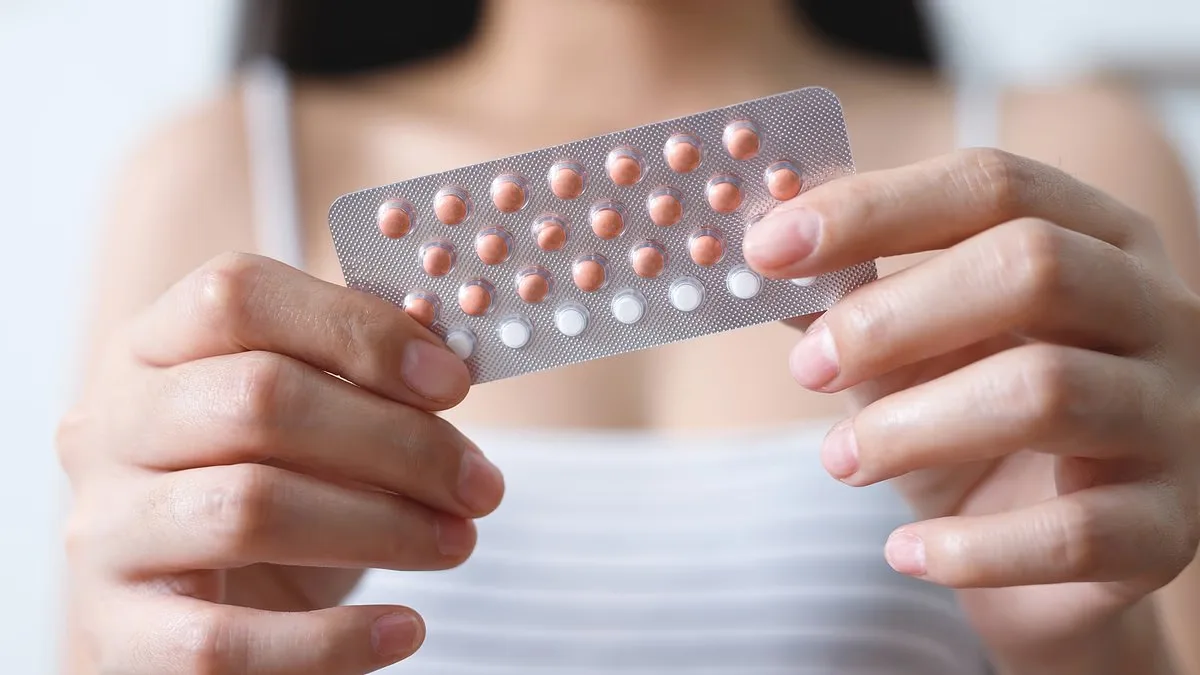
Study Links Hormonal Birth Control Use to Higher Likelihood of Needing Weight Loss Injections
A recent Danish study suggests that women who have used hormonal birth control may be more likely to seek weight loss injections such as Wegovy and Ozempic. This research sheds light on a long-reported, yet often unproven, connection between contraceptives and weight changes.
7 min read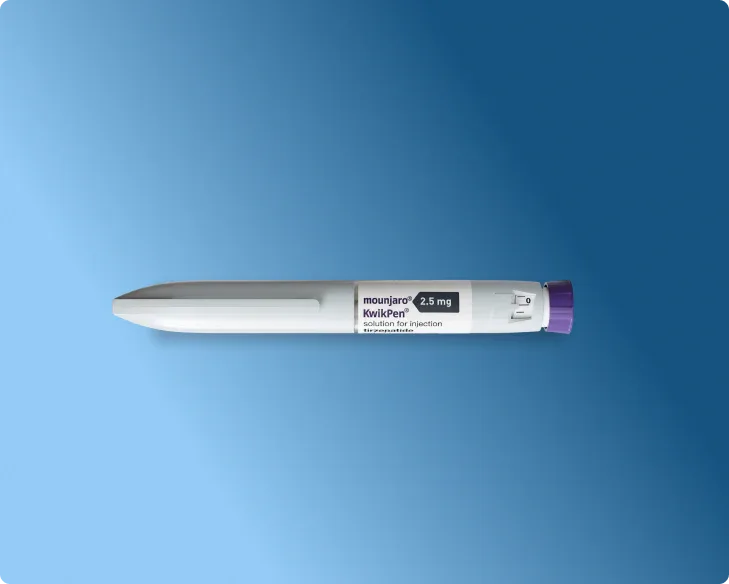
Mounjaro KwikPen: Your Guide to Effective Weekly Injections
This comprehensive guide explains how to use the Mounjaro KwikPen for effective weekly self-injections, detailing preparation, injection sites, and a step-by-step process to ensure proper administration and maximize treatment benefits.
7 min read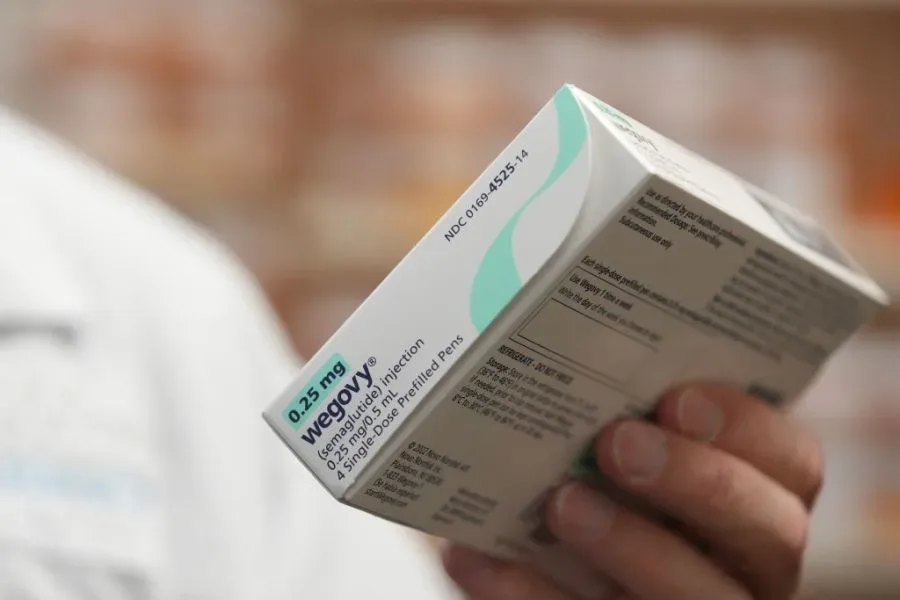
Novo Nordisk's Semaglutide Implant Could Replace Ozempic Injections
Novo Nordisk and Vivani Medical are developing a semaglutide implant that could eliminate the need for weekly injections. Here is everything to know about the technology.
6 min read