GLP-1 Hair Shedding Tracker Guide
Monitoring and Recovery
Track GLP-1 related hair shedding with a structured recovery plan: timeline logging, nutrition anchors, and trend-based escalation rules.
Structured monitoring for shedding patterns and recovery signals
Hair shedding concerns are common during rapid weight-loss phases. Use a timeline-first approach to track onset, peak, and recovery while controlling nutrition and stress variables that influence shedding severity.
How to track shedding usefully
Execution quality, not novelty, usually determines outcome quality. Keep the protocol simple, measurable, and reviewable every week. When variables change, tag the change and monitor the next 7 to 14 days as a dedicated observation window before making additional adjustments.
Hair-shedding tracking checklist
This aspect of the Glp1 Hair Shedding Tracker protocol is particularly important for users who are tracking their response data systematically. Documenting your experience at each stage provides the longitudinal evidence needed to evaluate protocol effectiveness and make informed adjustments. Shotlee captures these data points automatically, building a comprehensive record that supports evidence-based decision making with your healthcare provider.
Decision matrix
Control Why it matters What to track Escalation trigger
This aspect of the Glp1 Hair Shedding Tracker protocol is particularly important for users who are tracking their response data systematically. Documenting your experience at each stage provides the longitudinal evidence needed to evaluate protocol effectiveness and make informed adjustments. Shotlee captures these data points automatically, building a comprehensive record that supports evidence-based decision making with your healthcare provider.
Execution playbook
This aspect of the Glp1 Hair Shedding Tracker protocol is particularly important for users who are tracking their response data systematically. Documenting your experience at each stage provides the longitudinal evidence needed to evaluate protocol effectiveness and make informed adjustments. Shotlee captures these data points automatically, building a comprehensive record that supports evidence-based decision making with your healthcare provider.
How Shotlee helps
shotleeFeatures
Protocol FAQs
Track GLP-1 related hair shedding with a structured recovery plan: timeline logging, nutrition anchors, and trend-based escalation rules.
Yes. Shotlee supports tracking doses, side effects, and health metrics. It is free.
Open the Shotlee app, navigate to the dose logging screen, select Glp1 Hair Shedding Tracker as your medication, and enter the dose amount, injection site, and time. Shotlee stores all entries with timestamps and lets you view your complete dose history, adherence rate, and missed dose alerts. The app is free to download and use.
The most important side effects to track include gastrointestinal symptoms (nausea, vomiting, diarrhea, constipation), injection site reactions, appetite changes, energy levels, and any unusual symptoms. Log these daily in Shotlee so you can share accurate trend data with your healthcare provider at your next visit.
Most patients begin noticing appetite changes within the first one to two weeks. Measurable weight loss typically becomes apparent by weeks four to eight, depending on the dose titration schedule and individual metabolic response. Track your weekly weight in Shotlee to visualize your personal response curve over time.
Track Your GLP-1 Protocol in Shotlee
Free dose logging, side effect tracking, and health metric monitoring for your complete protocol.
📚References & sources
Latest on GLP-1 Hair Shedding Tracker

Wegovy Weight Loss Pill Warning: Make Three Changes Now
The new oral Wegovy formulation has arrived, but hair shedding concerns remain. Discover the science behind the risk and three actionable lifestyle changes to protect your hair health while on semaglutide.
8 min read
Ozempic Hair Loss: Doctors Explain the Real Causes
Ozempic users are reporting more hair in brushes and showers, sparking fears of direct drug damage. But doctors like bariatric surgeon Dr. Neha Shah explain it's mainly from rapid weight loss triggering telogen effluvium. With proper nutrition and care, most see full recovery within months.
5 min read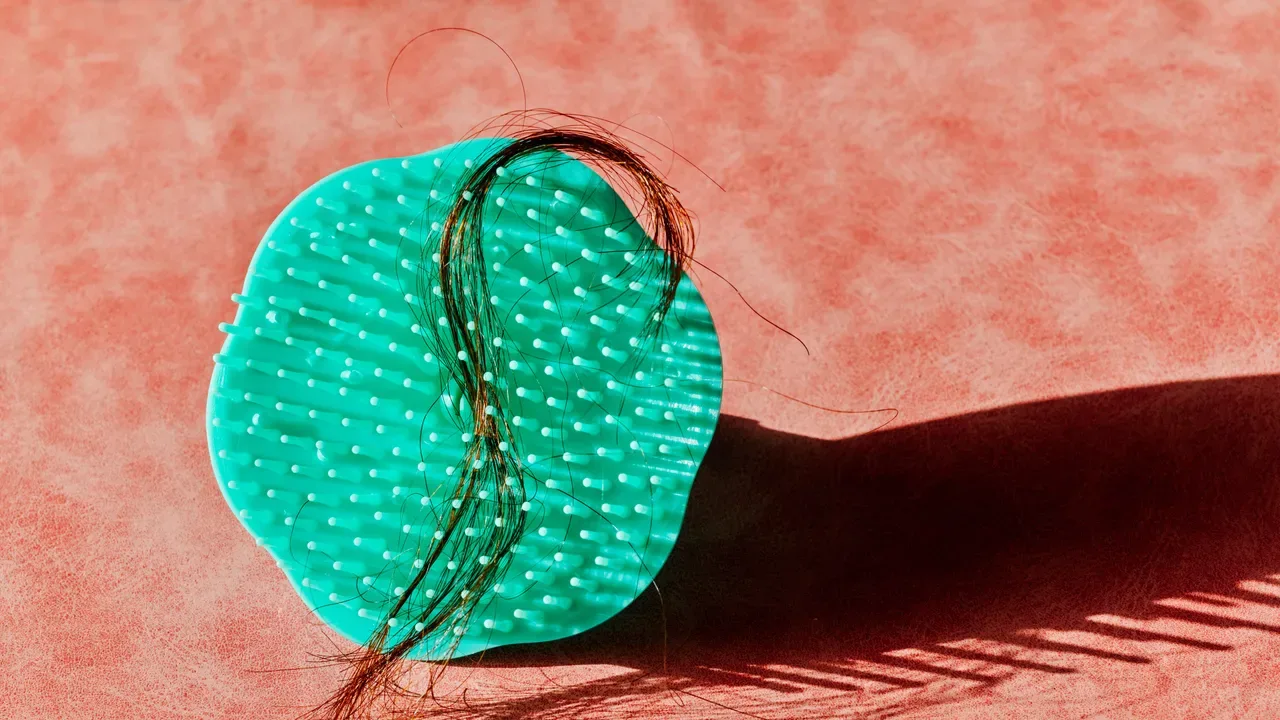
GLP-1 Medications Like Ozempic May Cause Hair Loss: Here's Why
Social media is buzzing with reports of hair loss among GLP-1 users on drugs like Ozempic and Wegovy. While research is emerging, experts like Yale dermatologist Dr. Sara Perkins confirm patients are noticing more shedding. Here's the science behind it and steps to address it.
6 min read