
GLP-1 Medications Like Ozempic May Cause Hair Loss: Here's Why
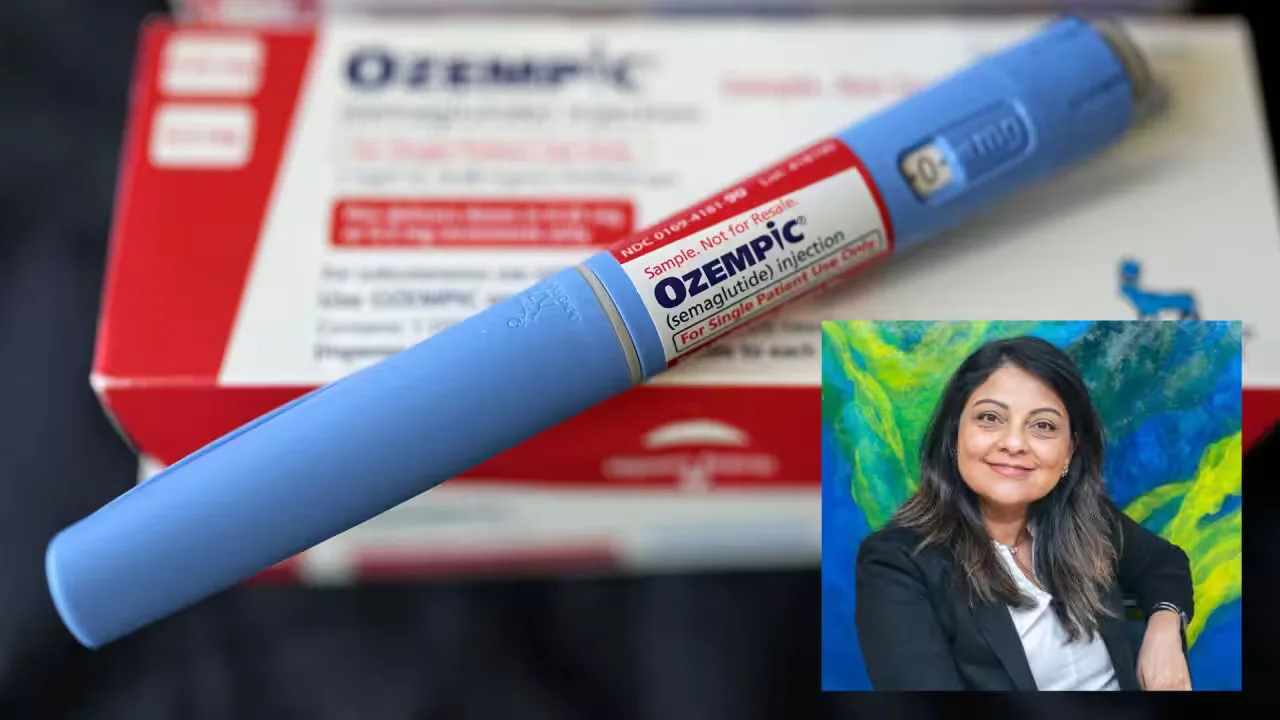
Hair loss on GLP-1 medications has become a hot topic as drugs like Ozempic and Wegovy gain popularity for weight management and diabetes control. If any medication has defined health and wellness over the past few years, GLP-1 agonists are irrefutably it. These drugs—which include Wegovy and Ozempic (brand names for semaglutide) as well as Mounjaro and Zepbound (tirzepatide)—mimic a naturally occurring hormone to help reduce your appetite and manage blood sugar. This has made them game changers in the treatment of type 2 diabetes and obesity.
GLP-1 receptor agonists work by enhancing insulin secretion, slowing gastric emptying, and signaling fullness to the brain, leading to significant weight loss—often 15-20% of body weight in clinical trials. However, as GLP-1 use has become more mainstream, so have conversations about side effects beyond the well-known nausea, including unexpected ones like hair loss.
The Rise of Hair Loss Reports on GLP-1 Medications
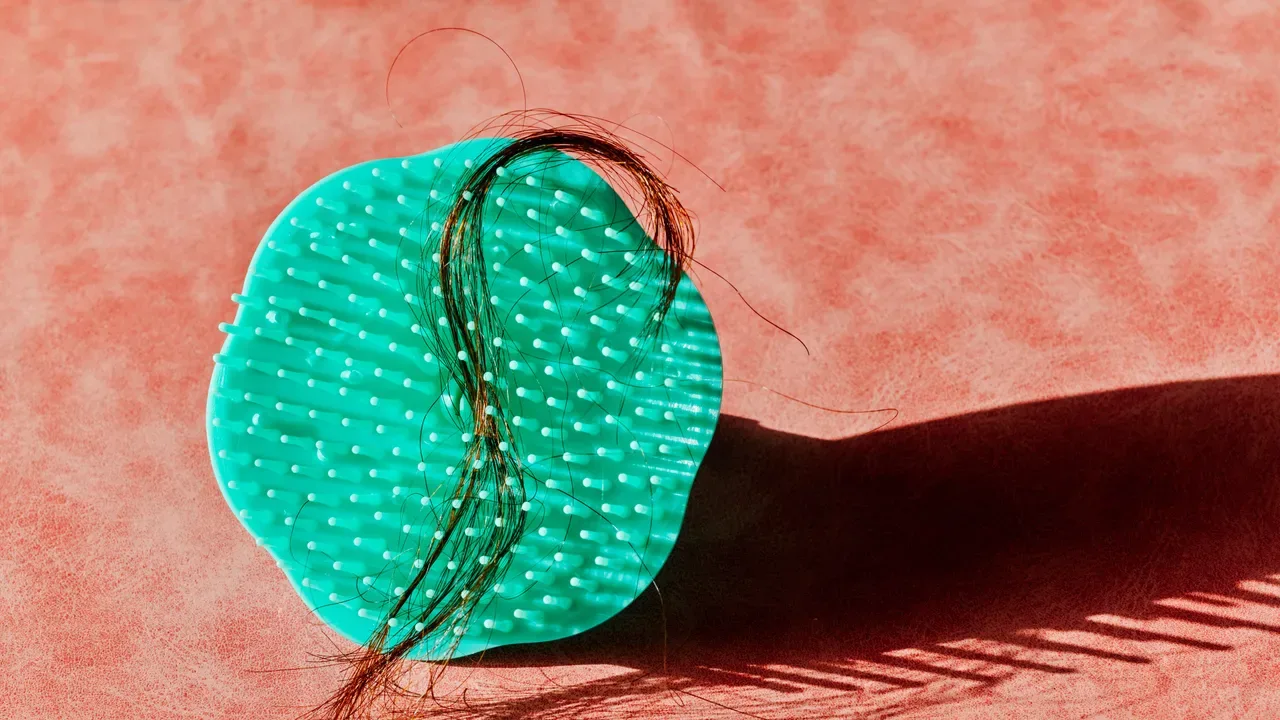
Creators on social media have started documenting what they believe is hair loss associated with GLP-1 use. Some TikTok videos about the topic have racked up hundreds of thousands of views, highlighting shrinking ponytails and thinning hairlines among users.
Beyond anecdotes, doctors are seeing this firsthand. Sara Perkins, MD, an associate professor of dermatology at the Yale School of Medicine, says her patients on GLP-1s are talking about hair loss more and more frequently during appointments. "I suspect this reflects both the sheer number of patients on these medications and also the heightened awareness of hair loss on GLP-1s online and in the media," she notes.
What Does the Research Say About GLP-1 Hair Loss?
Research about this GLP-1 side effect is still limited, but that doesn't mean it's all in people's heads. One recent study review noted that excess hair shedding is a problem a number of GLP-1 patients face, but further study is needed to understand why.
Even drugmakers have acknowledged it. Novo Nordisk's Wegovy medication guides, for example, note that a small number of participants experienced hair loss during clinical trials. It's only been 20 years since GLP-1 medications got FDA approval for diabetes, and their approval for weight management is even more recent. So scientists and doctors are still figuring out why some people report hair loss while taking them.
Dr. Perkins emphasizes, "hair loss itself is complex and often multifactorial. We don't yet have a single, definitive mechanism to explain why some patients experience shedding while taking these drugs."
Possible Mechanisms: Rapid Weight Loss vs. the Drugs Themselves
Some experts suspect it's tied to the rapid weight loss patients experience rather than the drugs themselves, while others wonder if the medications are to blame. The jury is still out, but there does seem to be some connection.
Precision tracking for your journey
Join thousands using Shotlee to accurately track GLP-1 medications and side effects.
📱 Get the Shotlee App
Track your GLP-1 medications, peptides, and health metrics on the go with our mobile app!
The leading theory points to telogen effluvium, a common form of temporary hair shedding triggered by physiological stress. Rapid weight loss—common with GLP-1s—can shock the body, pushing more hair follicles into the resting (telogen) phase prematurely. Nutrient deficiencies from caloric restriction, hormonal shifts, or even the stress of metabolic changes may contribute. While not unique to GLP-1s, the speed of weight loss (up to 2 pounds per week) amplifies this risk compared to slower methods like diet alone.
Direct drug effects are less clear. Semaglutide and tirzepatide influence gut hormones and may indirectly affect thyroid function or inflammation, both linked to hair health, but no large-scale studies confirm causation yet.
Psychological Impact of Hair Loss on GLP-1 Users
These concerns are not just about hair; they're about self-identity. A 2025 study suggests that hair loss can have major psychological impacts, including depression and anxiety. For patients already navigating body image changes from weight loss, thinning hair can compound emotional strain, underscoring the need for holistic care.
How to Combat Hair Loss While on GLP-1 Medications
If you're feeling down about a shrinking ponytail or thinning hairline, know there are ways to potentially improve the situation. Here's practical guidance based on dermatological best practices:
- Consult Your Doctor: Discuss symptoms early. They may check for underlying issues like iron deficiency, thyroid imbalance, or vitamin D levels, common in rapid weight loss.
- Nutritional Support: Prioritize protein-rich diets (1.2-2g/kg body weight), biotin, zinc, and omega-3s. Avoid crash dieting; aim for sustainable loss.
- Gentle Hair Care: Use sulfate-free shampoos, avoid tight styles, and minimize heat tools to reduce breakage.
- Topical Treatments: Minoxidil (Rogaine) is FDA-approved for shedding and may help regrow hair in 3-6 months.
- Supplements and Monitoring: Tools like Shotlee can help track symptoms, side effects, or medication schedules alongside hair changes for better doctor discussions.
- Patience: Telogen effluvium often resolves 3-6 months after the trigger (e.g., stabilizing weight).
Who Is Most at Risk?
Women, those with a history of hair issues, or individuals losing weight very rapidly (>5% body weight/month) report higher rates. GLP-1 newcomers or high-dose users (e.g., Wegovy 2.4mg weekly) may notice it sooner.
GLP-1 Hair Loss Compared to Other Weight Loss Methods
Hair shedding occurs with any rapid weight loss, including bariatric surgery (up to 50% of patients) or extreme diets. GLP-1s may edge out due to their potency, but long-term data shows regrowth as weight stabilizes. Unlike chemotherapy-induced alopecia, GLP-1-related loss is rarely permanent.
Safety Profile and When to Worry
Common GLP-1 side effects include nausea (20-40%), GI upset, and fatigue. Hair loss affects a minority (<5% in trials). Seek immediate care for patchy baldness (alopecia areata), scalp pain, or loss exceeding 100 hairs/day, as these may signal other issues.
Key Takeaways: What This Means for GLP-1 Patients
- GLP-1 drugs like Ozempic, Wegovy, Mounjaro, and Zepbound are effective but linked to hair shedding in some users, likely from rapid weight loss.
- Research is ongoing; clinical trials and reviews confirm it's real but not universal.
- Experts like Dr. Sara Perkins note increased reports due to usage surge and awareness.
- Proactive steps—nutrition, minoxidil, monitoring—can mitigate it.
- Discuss with your provider before starting or if shedding occurs.
Conclusion
Hair loss on GLP-1 medications underscores the trade-offs of transformative therapies. While preserving benefits for diabetes and obesity, addressing side effects like shedding ensures better adherence and outcomes. Stay informed, track changes, and partner with your healthcare team for personalized management.