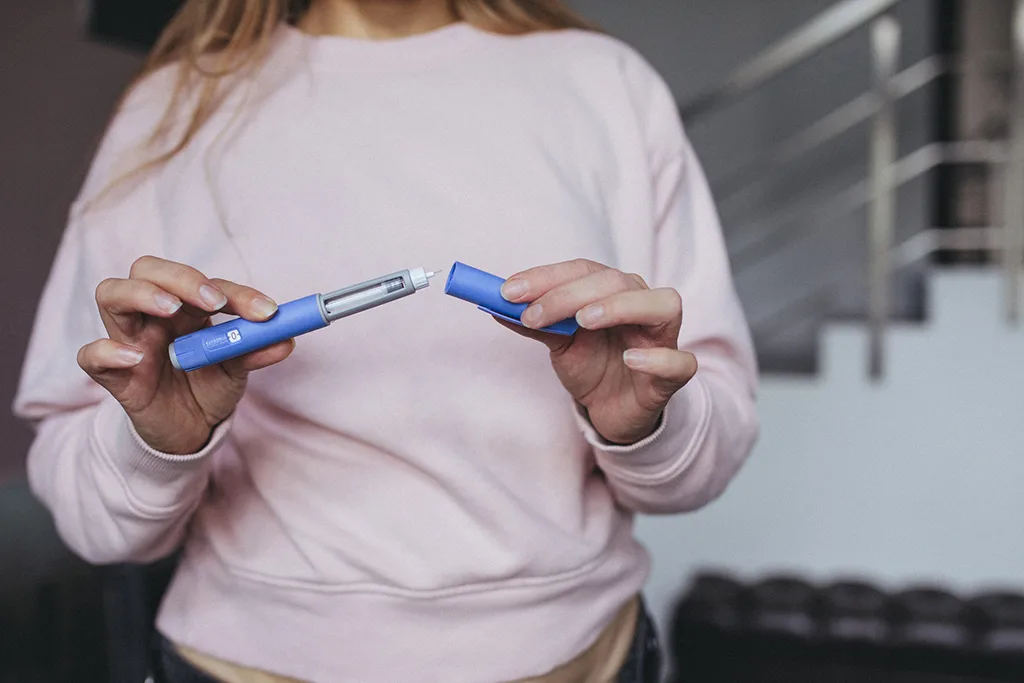

In a striking case of how GLP-1 medications like Mounjaro can uncover hidden health issues, 30-year-old Tianna Moon from East Anglia, eastern England, was diagnosed with gigantomastia in July. This rare condition causes rapid, excessive breast tissue growth, and Moon first noticed abnormalities after starting Mounjaro (tirzepatide) in 2024. While the drug helped her lose weight, her breasts continued to expand, reaching an estimated 39 lbs.—about 20% of her total body weight.
What is Gigantomastia? Understanding the Rare Breast Growth Condition
Gigantomastia is a medical condition characterized by rapid and excessive growth of breast tissue, often leading to breasts that are disproportionately large relative to the body. According to the Cleveland Clinic, it differs from more common macromastia, which involves larger-than-average breasts but without the extreme, uncontrolled growth seen in gigantomastia.
Causes of Gigantomastia
The exact causes remain multifactorial, including hormonal changes, genetics, and autoimmune disorders, as noted by the Cleveland Clinic. There are only about 300 reported cases worldwide, making it exceptionally rare. While puberty can trigger larger-than-average breasts in some women like Moon, who has dealt with this since adolescence, the accelerated growth in gigantomastia sets it apart.
Gigantomastia vs. Macromastia
Moon's doctor initially considered macromastia, a less severe condition with similar symptoms but slower progression. However, after reviewing her medical history, weight loss on Mounjaro, and escalating breast growth with side effects, the diagnosis shifted to gigantomastia. "But when I broke down medical history, the weight loss on Mounjaro and the increased growth and side effects, he was point-blank like, 'This is gigantomastia,'" Moon recalled.
Mounjaro (Tirzepatide): How This GLP-1 Drug Played a Role in Discovery
Mounjaro is an FDA-approved prescription medication for type 2 diabetes, containing tirzepatide—the same active ingredient in Zepbound, approved for weight management. It works by mimicking GLP-1 and GIP hormones, reducing appetite, increasing fullness, and improving sugar and fat metabolism in the body. For many, this leads to significant weight loss, as it did for Moon.
Paradoxically, while Moon shed pounds overall, her breasts grew noticeably larger, prompting medical evaluation. This contrast highlighted the underlying gigantomastia, which might have gone undetected longer without the weight loss revealing the disproportionate growth. GLP-1 agonists like tirzepatide are not known to cause gigantomastia, but they can bring attention to coexisting conditions through bodily changes.
Common Uses and Benefits of Mounjaro
- Primary: Type 2 diabetes management
- Secondary: Weight loss (as Zepbound)
- Mechanism: Dual GLP-1/GIP receptor agonist for better glycemic control and satiety
Tianna Moon's Personal Story: From Puberty to Diagnosis
Tianna Moon, 30, has had larger-than-average breasts since puberty, but the rapid changes began accelerating after starting Mounjaro in 2024. The diagnosis came via SWNS reporting, confirming gigantomastia in July. Now, her breasts weigh approximately 39 lbs., representing roughly 20% of her body weight—a burden she describes as her "normal" but fraught with daily struggles.
Precision tracking for your journey
Join thousands using Shotlee to accurately track GLP-1 medications and side effects.
📱 Get the Shotlee App
Track your GLP-1 medications, peptides, and health metrics on the go with our mobile app!
Symptoms and Daily Challenges of Gigantomastia
Moon openly shares the physical and emotional toll:
- Numb arms: Frequent due to weight compressing nerves
- Severe shoulder indentations: From bra straps supporting the massive load
- Light scarring under breasts: Where bras have rubbed and ripped the skin
- Breathing restrictions: Lying on her back limits airflow for extended periods
- Social stares: She straps them down in public but still gets double-takes
"The side effects are having numb arms quite a lot and having quite severe indentations on my shoulders," she said. "Also laying on my back is not something I can do for a long period of time, as it restricts the amount of airflow I can get in." Public outings amplify the discomfort, as she tries to minimize their appearance.
Treatment Considerations: Breast Reduction Surgery and Uncertainties
Moon has considered breast reduction surgery but hesitates due to the risk of regrowth. "There's no guarantee her breast tissue won't grow back at the same rate," she noted, echoing concerns common in gigantomastia cases where hormonal or genetic drivers persist post-surgery.
For patients facing similar issues, discussing options with a specialist is crucial. While surgery can alleviate symptoms, addressing underlying causes—like hormones or autoimmunity—may require multidisciplinary care, including endocrinologists familiar with GLP-1 therapies.
Safety Profile of Mounjaro and Monitoring Changes
Mounjaro is generally well-tolerated, but patients should monitor for unusual changes, such as disproportionate tissue growth during weight loss. Tools like Shotlee can help track symptoms, side effects, or medication schedules, providing data for doctor discussions. Common GLP-1 side effects include nausea and gastrointestinal issues, but rare presentations like this underscore personalized monitoring.
Turning Challenges into Empowerment: Moon's OnlyFans Journey
Facing judgment—"People are telling me it's disgusting I'm not having a reduction, and that I'm basically begging for attention"—Moon chose empowerment. She launched an OnlyFans account to monetize her unique body type. "I might as well try and reap the benefits of my medical condition rather than the negatives," she said. This decision has fostered greater body appreciation amid adversity.
Key Takeaways: What This Means for Patients on GLP-1 Medications
- Gigantomastia is rare (300 global cases) but can coincide with GLP-1 use, revealed by weight loss contrasts.
- Monitor breast changes or other asymmetries on Mounjaro/tirzepatide; consult doctors promptly.
- Symptoms like numbness, scarring, and posture issues warrant evaluation for macromastia or gigantomastia.
- Surgery offers relief but no regrowth guarantee; explore holistic management.
- Patient stories like Moon's highlight resilience and the value of community support.
Conclusion: Navigating Rare Conditions Alongside Metabolic Therapies
Tianna Moon's experience with gigantomastia discovered during Mounjaro treatment illustrates how effective weight loss drugs can illuminate hidden issues. For those on tirzepatide or similar GLP-1s, vigilance for unusual symptoms ensures timely intervention. Speak with your healthcare provider about any disproportionate changes, and consider tracking apps for comprehensive care. This story preserves hope: challenges can spark unexpected paths to self-acceptance and strength.