
Introduction
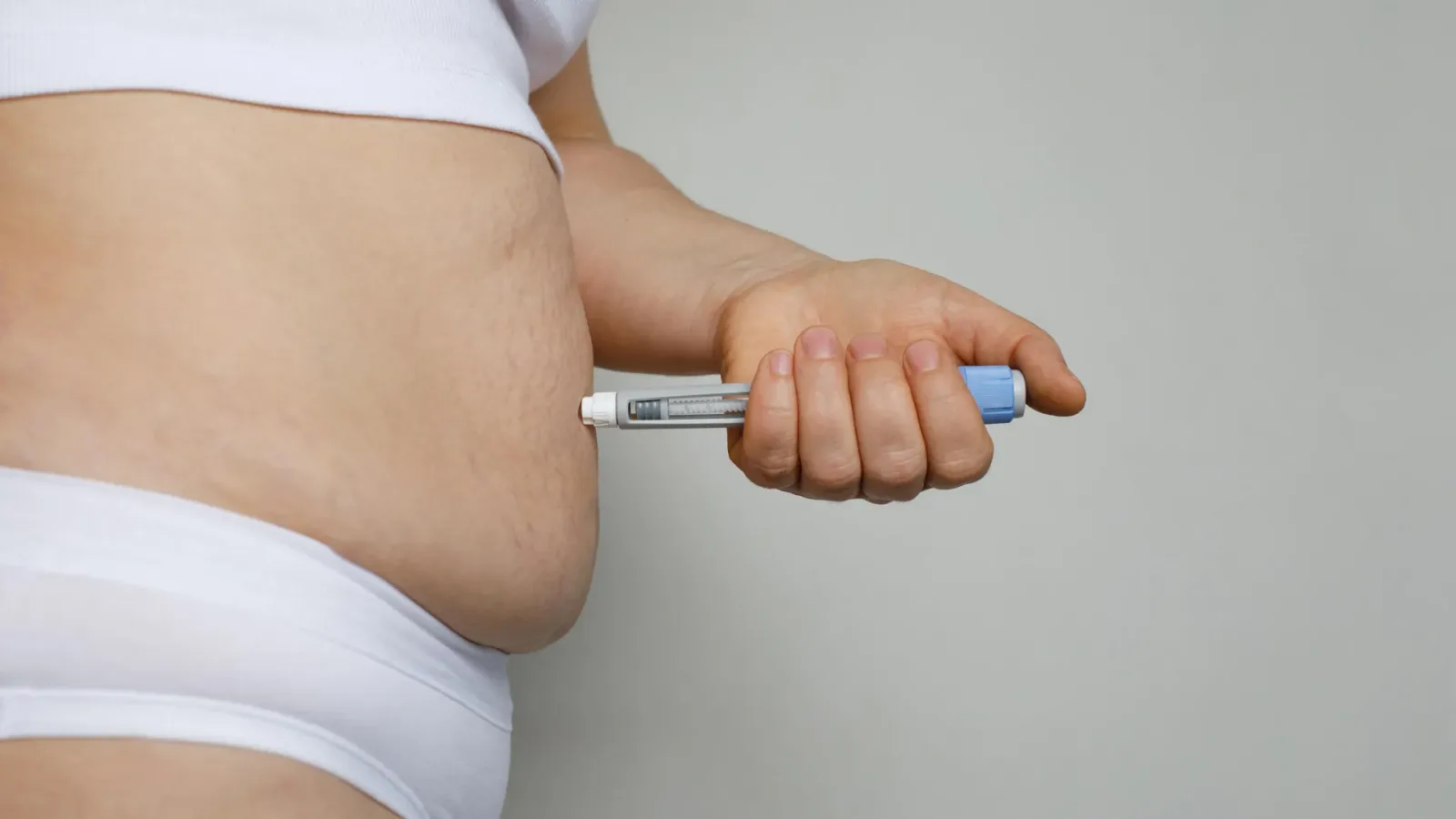
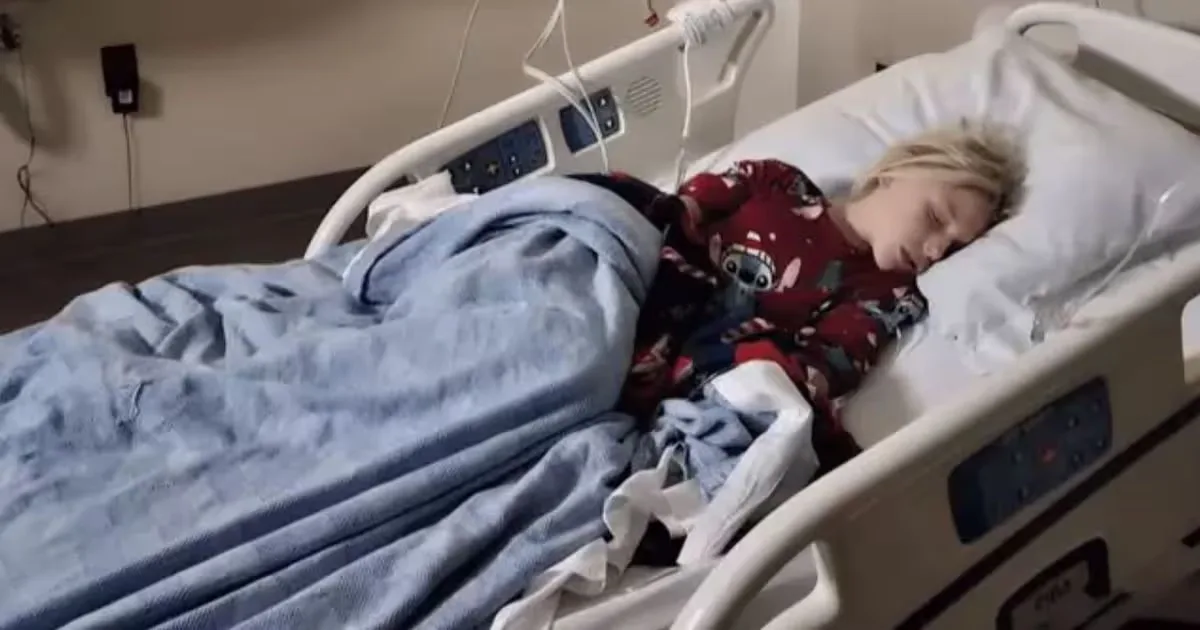
In December 2024, an 8-year-old girl from Indiana named Jessa Milender made a heartbreaking mistake: she injected 60% of her mother's GLP-1 weight loss pen, believing it was medicine for her stomachache. What followed was a terrifying ordeal—days of vomiting, dehydration, and fears of kidney failure—that landed her in the hospital twice. Her story, reported by WHAS11, serves as a stark warning for the millions of families using popular GLP-1 agonists like Ozempic (semaglutide), Wegovy (semaglutide), Mounjaro (tirzepatide), and Zepbound (tirzepatide).
These drugs have revolutionized metabolic health and weight management, but their rise in households amplifies risks of accidental exposure, especially for children. This guide breaks down the science, symptoms, treatment, and proven prevention strategies to keep your family safe while maximizing the benefits of GLP-1 therapy.
What Are GLP-1 Medications and How Do They Work?
GLP-1 receptor agonists mimic glucagon-like peptide-1 (GLP-1), a gut hormone that regulates blood sugar, slows gastric emptying, and signals fullness to the brain. In adults with type 2 diabetes or obesity, they promote significant weight loss—up to 15-20% body weight in trials like STEP for semaglutide and SURMOUNT for tirzepatide—by curbing appetite and enhancing insulin secretion.
Key Drugs in Focus
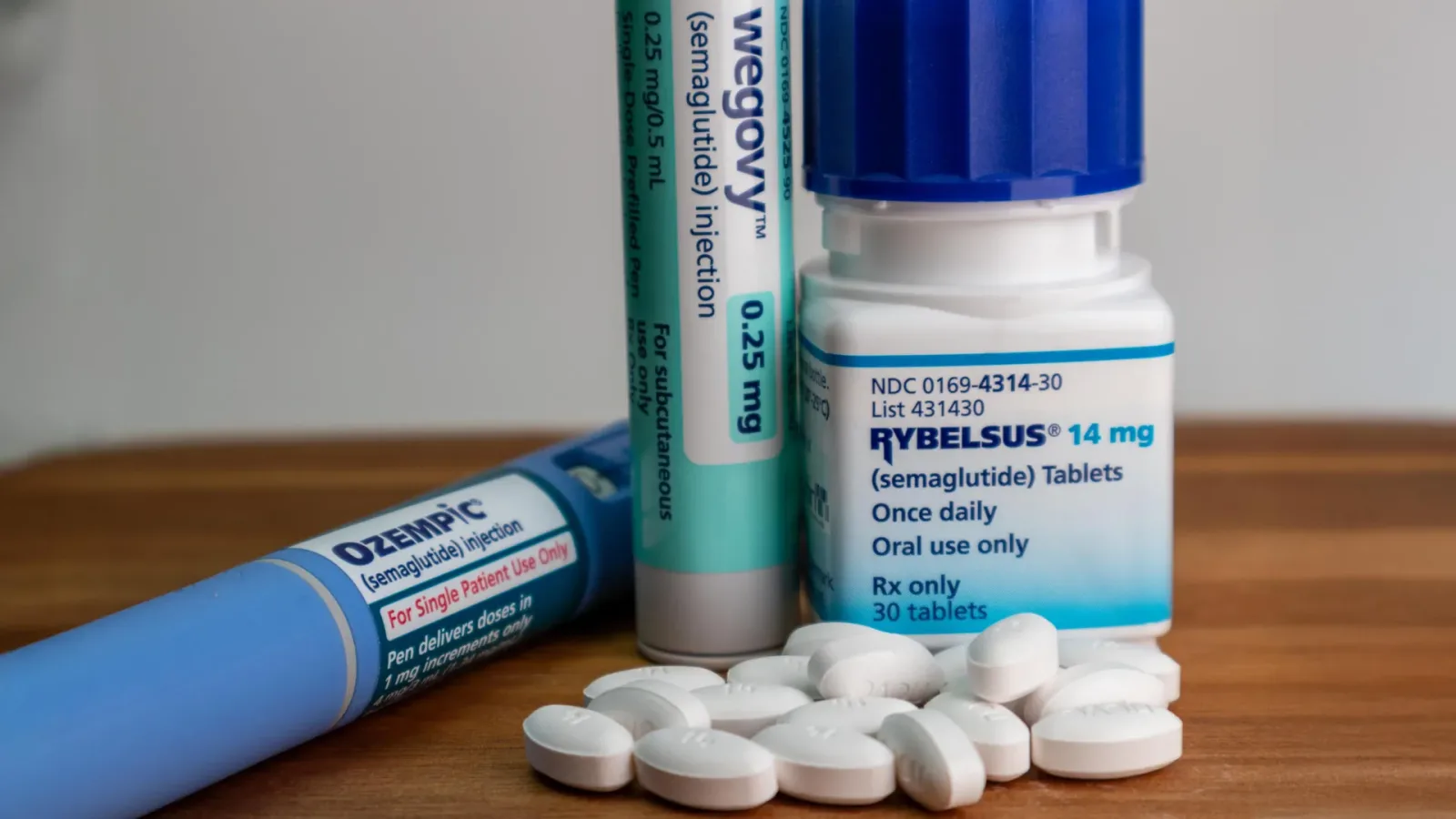
- Ozempic/Wegovy (semaglutide): Weekly subcutaneous injections. Ozempic is FDA-approved for type 2 diabetes; Wegovy for chronic weight management in adults (and adolescents 12+ at higher BMI).
- Mounjaro/Zepbound (tirzepatide): Dual GLP-1/GIP agonist, offering superior weight loss (up to 22% in trials). Approved for diabetes (Mounjaro) and obesity (Zepbound).
While transformative for metabolic health, these are not approved for children under 12 except limited Wegovy use. Doses start low (e.g., 0.25mg semaglutide) and titrate up to minimize gastrointestinal (GI) side effects like nausea.
"GLP-1s amplify natural satiety signals, but in a child's smaller body, even a fraction of an adult dose overwhelms the system." – Clinical pharmacology insight.
Why Are GLP-1 Medications Dangerous for Children?
Children's physiology heightens risks: smaller body mass means higher relative dosing, immature kidneys/liver for drug clearance, and heightened GI sensitivity. No pediatric trials support routine use, and accidental ingestion/injection reports are rising with GLP-1 prescriptions surging 300% since 2021 (per CDC data).
Case Study: Jessa's Overdose
Jessa self-administered ~60% of an adult pen—likely 0.9-1.2mg semaglutide equivalent. Initial symptoms: vomiting and dehydration. Returning home, symptoms escalated: inability to retain fluids, six days without eating, anuria (no urination), and renal concerns. Her mother, Melissa, described her as "lifeless," echoing acute distress from severe GI shutdown and hypovolemia.
Medical records highlighted acute kidney injury (AKI) risks, common in GLP-1 overdoses due to protracted vomiting/diarrhea causing prerenal azotemia. Full recovery occurred with IV fluids and supportive care, but it underscores how quickly dehydration spirals in kids.
Broader Evidence on Pediatric Exposure
U.S. poison centers logged 1,300+ semaglutide exposures in 2023 (up 2x from 2022), per NPDS data. A 2024 study in Pediatrics reviewed 20 child cases: 70% GI symptoms, 25% dehydration requiring hospitalization. No deaths, but 15% needed ICU-level care. Tirzepatide data is scarcer but follows similar patterns due to dual agonism intensifying effects.
Long-tail risks? Hypoglycemia (if diabetic), pancreatitis (rare), or gallbladder issues, though acute overdose prioritizes GI/renal crises.
Precision tracking for your journey
Join thousands using Shotlee to accurately track GLP-1 medications and side effects.
📱 Get the Shotlee App
Track your GLP-1 medications, peptides, and health metrics on the go with our mobile app!
Symptoms of GLP-1 Overdose in Children
Effects peak 4-12 hours post-injection, lasting days-weeks due to long half-lives (semaglutide ~1 week). Watch for:
- Mild-Moderate: Nausea, vomiting, diarrhea, abdominal pain, fatigue.
- Severe: Profound dehydration (dry mouth, sunken eyes, no tears/urine), tachycardia, lethargy, AKI (elevated creatinine).
- Critical: Electrolyte imbalances, shock, seizures (rare).
Unlike opioids, no specific antidote exists—management is supportive. Apps like Shotlee can help track symptoms, side effects, and hydration in real-time if exposure is suspected.
Emergency Response and Treatment
Act fast:
- Call Poison Control (1-800-222-1222 U.S.) or 911 immediately—provide dose, time, weight.
- Do not induce vomiting; risk aspiration.
- Hospital care: IV hydration, antiemetics (ondansetron), electrolyte monitoring, renal function tests.
In Jessa's case, readmission prevented catastrophe. Recovery averages 3-7 days; monitor 48-72 hours post-discharge.
Prevention Strategies: Keeping GLP-1 Meds Safe at Home
95% of exposures are unintentional household (per poison center stats). Protect your family:
Secure Storage
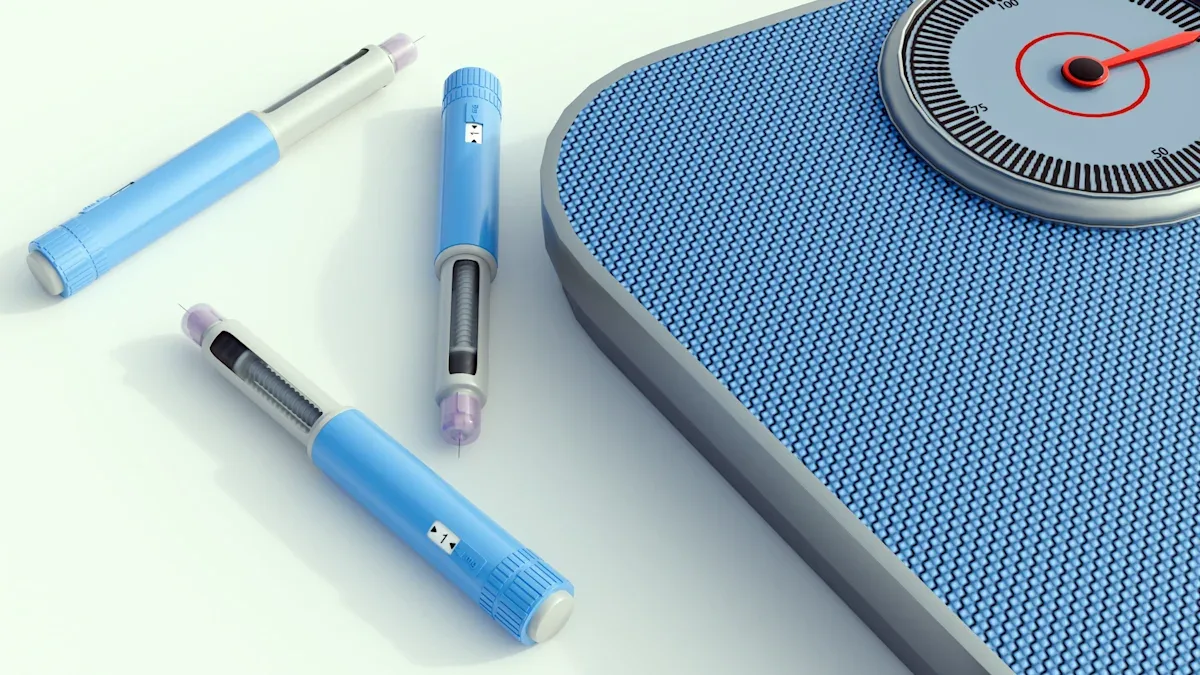
- Lock pens in a childproof box (Melissa's post-incident solution—available on Amazon for $10-20).
- Store refrigerated (2-8°C); room temp <28 days.
- Never leave pens accessible—countertops, purses, nightstands are hotspots.
Education and Habits
- Educate kids: "Mom's medicine is only for grown-ups—it's not candy or tummy meds." Use simple visuals.
- Supervise injections; dispose sharps safely.
- Label clearly: "Adult Diabetes/Weight Medicine—POISON IF MISUSED."
Lifestyle Synergies
Combine GLP-1s with nutrition tracking (e.g., Shotlee for logging intake amid side effects) and exercise for sustainable results, reducing reliance on meds long-term.
Advocacy note: Push for child-resistant pens (unlike current designs) and pediatric exposure warnings.
Conclusion
Jessa's full recovery is a testament to swift action, but her story highlights GLP-1s' double-edged sword: powerhouse for adult metabolic health, peril for curious kids. Prioritize locked storage, family education, and immediate poison center calls to safeguard your home. For patients, these meds offer evidence-based paths to better health—pair with lifestyle for optimal outcomes. Consult your provider for personalized dosing and safety plans; knowledge empowers safety.
Word count: ~1450. Sources: NPDS 2023, Pediatrics 2024, STEP/SURMOUNT trials, FDA labels.