Understanding the Prudent Use of Ozempic for Indians
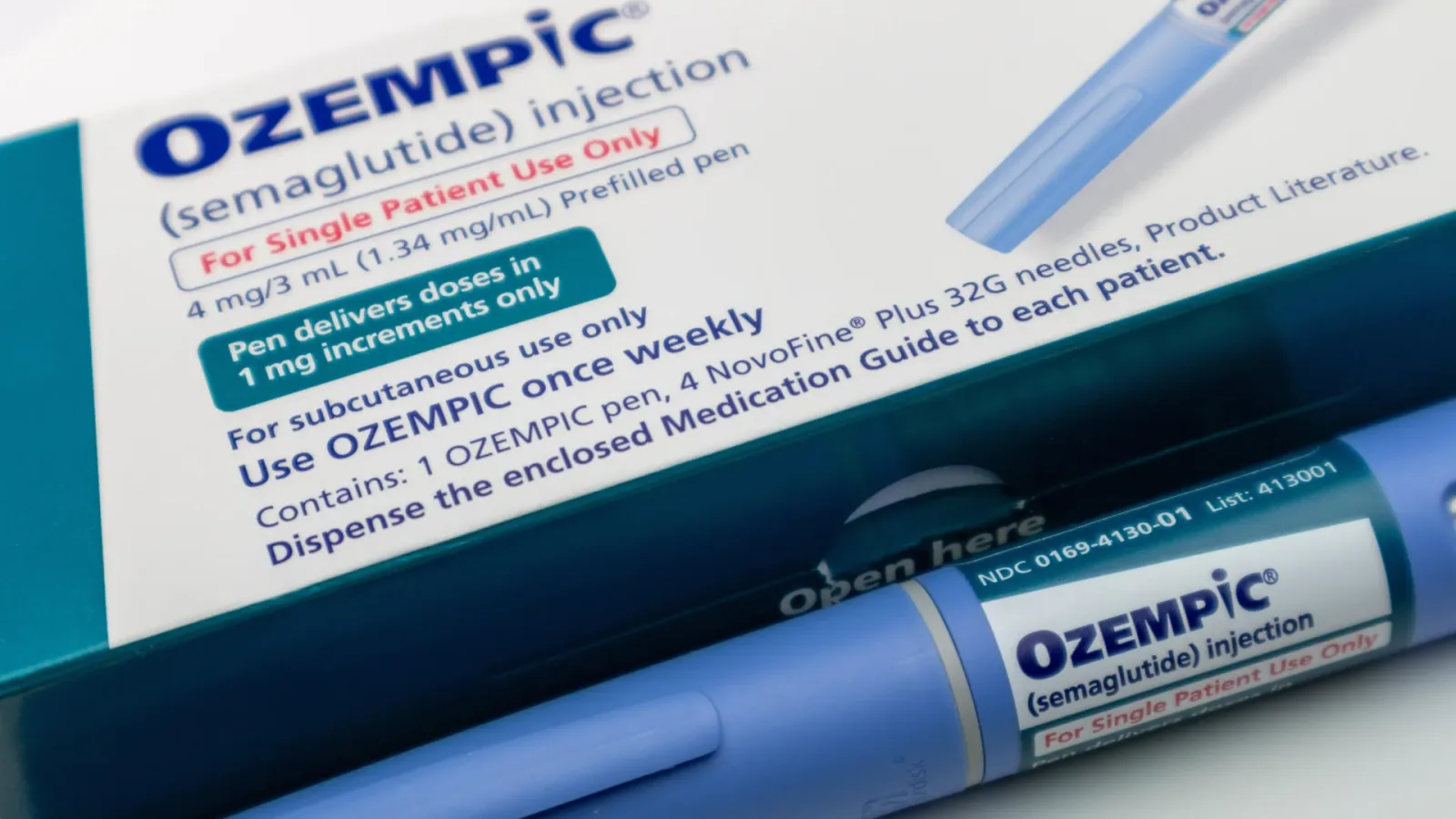
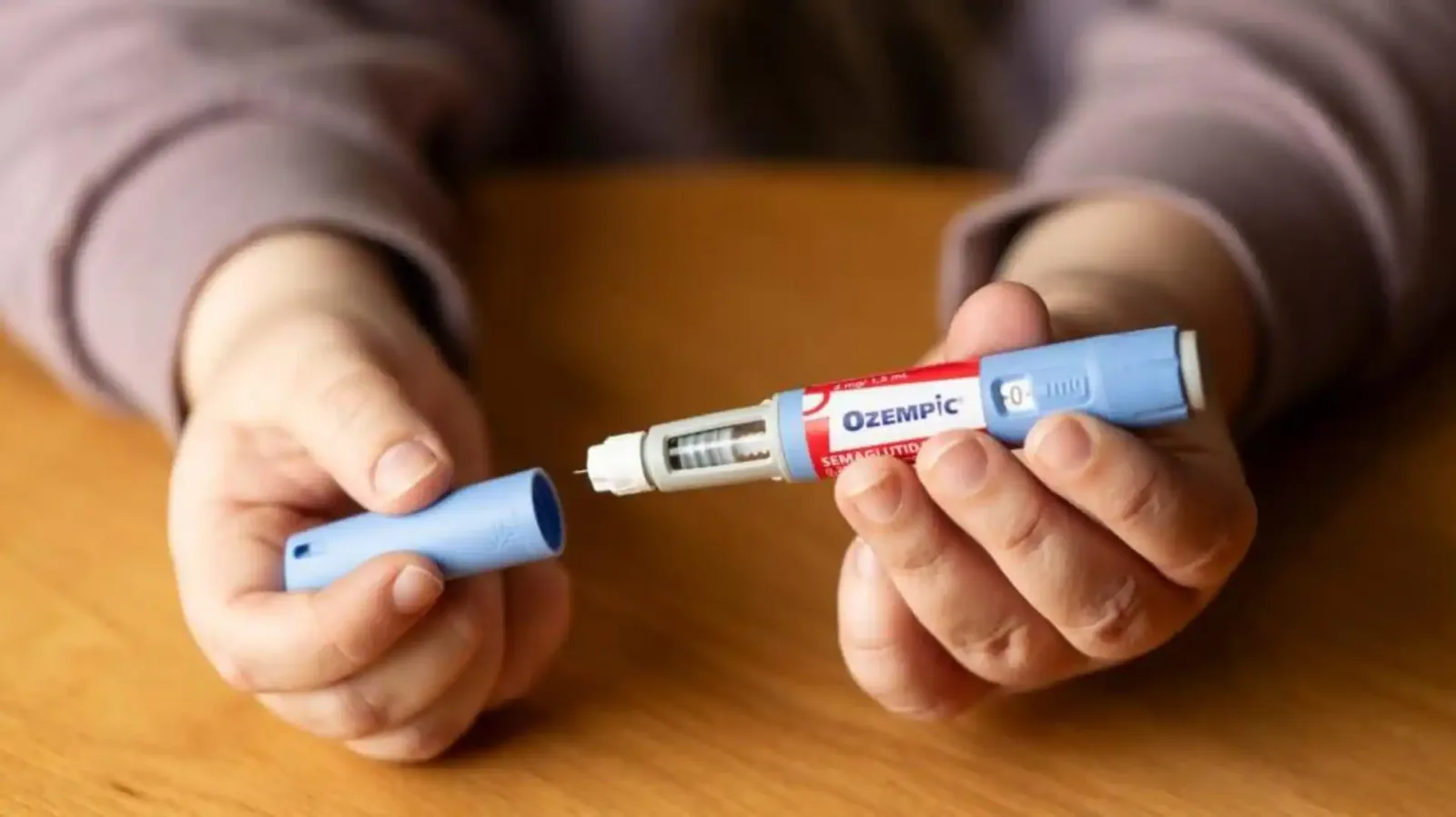
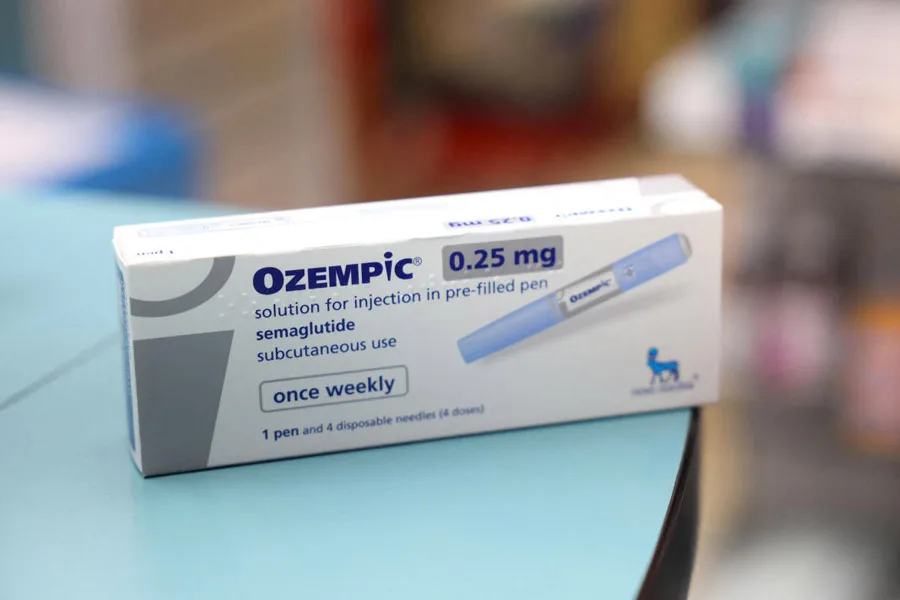
Following the launch of its weight-loss medication, Novo Nordisk, a Danish pharmaceutical company, introduced its injectable semaglutide for treating Type 2 diabetes. The monthly cost ranges from Rs 8,800 for the lowest dose to Rs 11,175 for the highest.
The US Food and Drug Administration initially approved the drug for diabetes treatment in 2017. Subsequently, its popularity grew due to significant weight loss, leading physicians to prescribe it off-label for obesity. In 2021, Wegovy, a higher-dose semaglutide, received FDA approval for chronic weight management. Semaglutide, along with its successor tirzepatide, gained global attention and entered the Indian market in 2025.
Concerns About Long-Term Drug Use and Dosage
A concern among patients involves continuous drug use. Is it possible to reduce the dosage over time?
Dr. Unnikrishnan notes that diabetes and obesity are chronic conditions necessitating ongoing medication as long as the benefits persist, which mirrors treatments for diabetes, cholesterol, and hypertension. Some clinicians are decreasing dosages for patients on a case-by-case basis. However, a universal protocol is not feasible, and the drug should complement diet and exercise. Health tracking apps like Shotlee can help monitor progress in conjunction with these lifestyle changes.
The Need for Caution in the Indian Context
Why is caution necessary when administering this drug?
Dr. Joshi highlights that GLP-1 RA drugs, which mimic gut hormones, require careful administration in Indians due to the prevalence of the "thin-fat" phenotype. This phenotype is characterized by visceral fat inside muscle, liver, and epicardial tissue, even in individuals with a normal weight. These individuals risk significant lean muscle mass loss relative to total weight loss. This can negatively impact the muscle-to-fat ratio, potentially causing frailty or functional decline, especially in older adults. Therefore, treatments must be medically supervised and adhere strictly to the prescribed dosage. Microdosing is discouraged.
Impact on Abdominal Obesity
Indians with abdominal obesity face a higher risk of metabolic diseases. How does the drug affect individuals with high abdominal obesity?
Precision tracking for your journey
Join thousands using Shotlee to accurately track GLP-1 medications and side effects.
📱 Get the Shotlee App
Track your GLP-1 medications, peptides, and health metrics on the go with our mobile app!
Dr. Joshi reports that observations from four years of oral drug use and six months of weight-loss dose use indicate that Indians tend to lose more weight than the global average. Weight loss can reach up to 20% of body weight, even with the lowest dose.
Potential Side Effects and Monitoring
What are the potential side effects associated with the drug?
Dr. Unnikrishnan states that side effects observed in India align with data from published medical literature.
Dr. Joshi emphasizes that vigilance is crucial, and the drugs must be taken under close supervision. Common side effects, such as nausea, vomiting, diarrhea, and constipation, can be minimized by adjusting doses gradually. Rare side effects affecting the pancreas or other organs are currently under investigation. Strict medical supervision is necessary.
Overuse and Misuse Concerns
Is there a risk of overuse or misuse of these medications?
According to Dr. Unnikrishnan, there are two extremes: individuals with diabetes and obesity who avoid the medication due to side effects, and those seeking it for cosmetic purposes. It's essential to consult a qualified doctor and obtain a prescription. The medicine should not be prescribed by dieticians.