
WHO Issues New Advice on GLP-1 Weight Loss Medications: Key Points
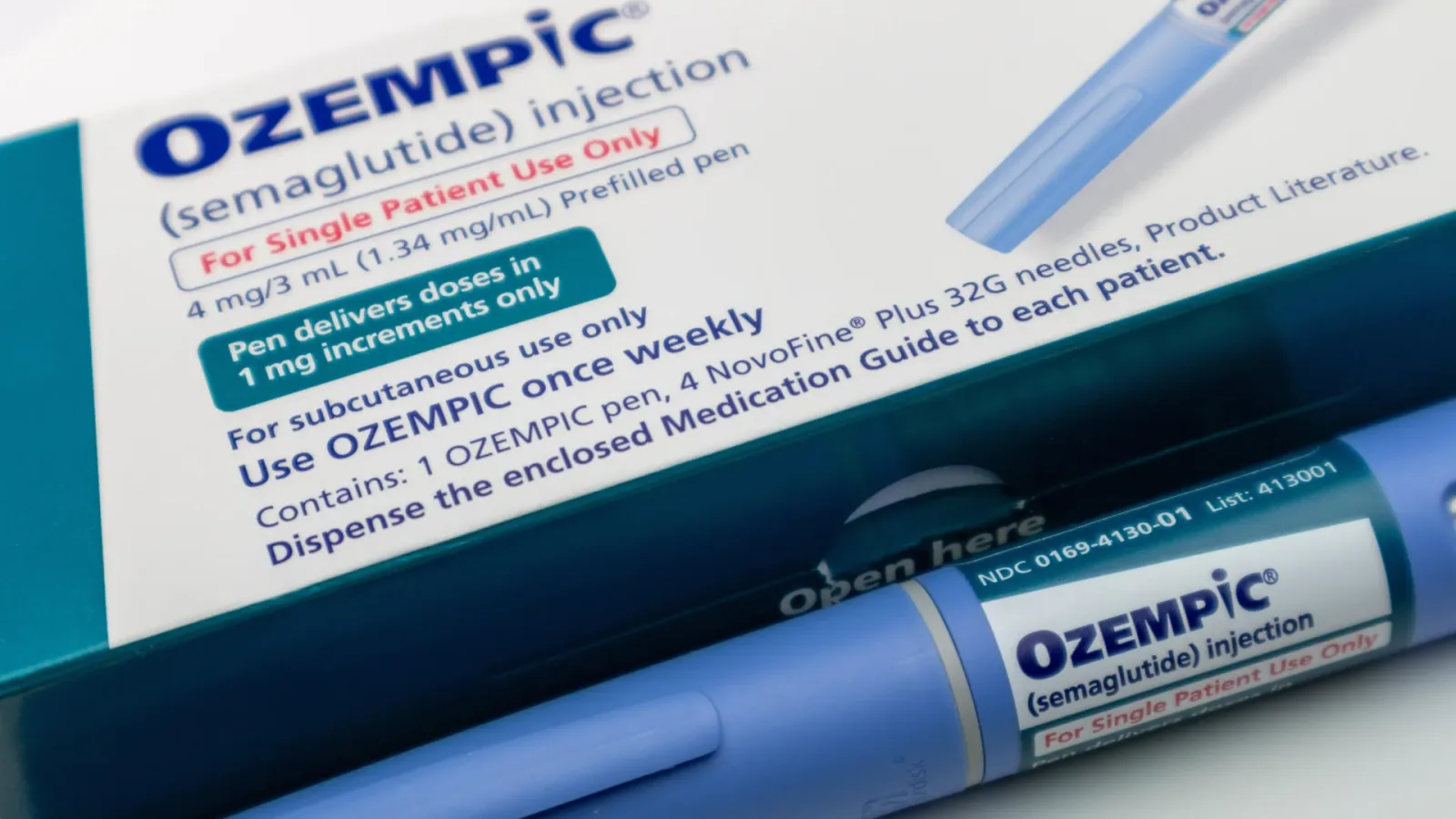
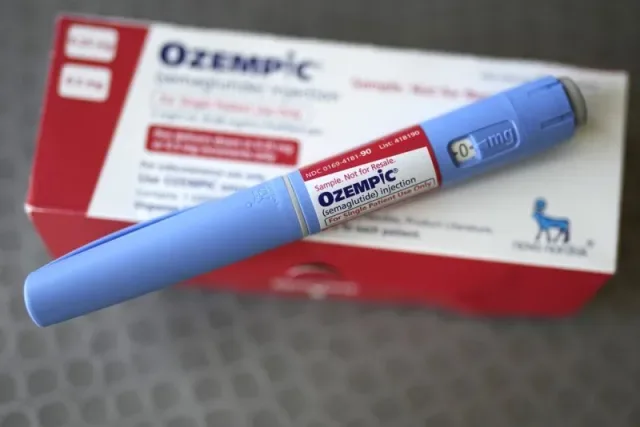
The World Health Organization has released new guidance concerning the use of prevalent GLP-1 medications, including Ozempic, Wegovy, Mounjaro, and Zepbound, in addressing the significant global health issue of obesity.
A 2024 poll estimated that approximately one in eight American adults had experimented with a GLP-1 drug, and the percentage of individuals with a prescription continues its upward trend.
The latest WHO guidelines feature two primary "conditional recommendations" regarding the use of these drugs.
Key Recommendations for GLP-1 Use
The first recommendation states that GLP-1s can be used for treating obesity in adults, with the exception of pregnant women. The WHO has labeled this a "conditional" recommendation due to the limited data available on the long-term effects of these relatively new medications. Further data is needed regarding the effects when individuals discontinue the medication. Furthermore, continuous use may present a substantial financial burden.
Typically, GLP-1 drugs are administered through a weekly injection. These medications function by targeting hormones responsible for appetite regulation, thereby inducing a feeling of fullness. While drug manufacturers like Novo Nordisk (maker of Ozempic and Wegovy) and Eli Lilly (maker of Mounjaro and Zepbound) have recently announced price reductions, a month's supply of these weight loss medications still costs hundreds of dollars.
Precision tracking for your journey
Join thousands using Shotlee to accurately track GLP-1 medications and side effects.
📱 Get the Shotlee App
Track your GLP-1 medications, peptides, and health metrics on the go with our mobile app!
GLP-1s as Part of a Broader Approach
The second major aspect of the WHO's guidance emphasizes that GLP-1s should not be considered a singular solution and must be viewed as one component of a broader strategy. Individuals with obesity should consider incorporating "intensive" dietary and exercise modifications alongside medication use. Health tracking apps like Shotlee can help monitor progress and adherence to these lifestyle changes.
Dr. Francesca Celletti, WHO senior advisor for obesity, stated that "Medicine alone will not solve the problem," during the presentation of the new guidance.
This guidance aligns with existing research, which suggests that users must ensure adequate nutrient intake even when the medications reduce portion sizes. Furthermore, GLP-1s can lead to muscle mass loss, underscoring the importance of exercise and strength training.
The WHO emphasizes that obesity is not merely an individual concern but a problem requiring societal change.
According to Dr. Karen Sealey, director of the Healthy Caribbean Coalition and the Inter-American Heart Foundation, it is crucial to focus on prevention and avoid the misconception that medication alone can resolve the issue.