
The pharmaceutical world is buzzing, and for good reason. Recent clinical trial results from Novo Nordisk's Wegovy have sent shockwaves across the industry. This isn't just about weight loss anymore; it's a potential game-changer for cardiovascular health. Let's dive into what's happening and what it means for your health and wellness.
The Seismic Shift: Unveiling Wegovy's Cardiovascular Benefits
The core of the excitement revolves around the latest Phase 3 trial, SELECT-2, which included over 17,000 participants. Unlike previous studies, this trial focused on individuals with existing cardiovascular risks. The findings were nothing short of remarkable. The new formulation, combining GLP-1 and GIP receptor stimulation, delivered impressive results. A significant 22% average weight loss over 72 weeks was observed, exceeding earlier results. More importantly, there was a 28% relative reduction in major adverse cardiovascular events, such as heart attack and stroke. This is a crucial step towards understanding the complete impact of GLP-1 therapies.
Understanding the Science Behind GLP-1 and Semaglutide
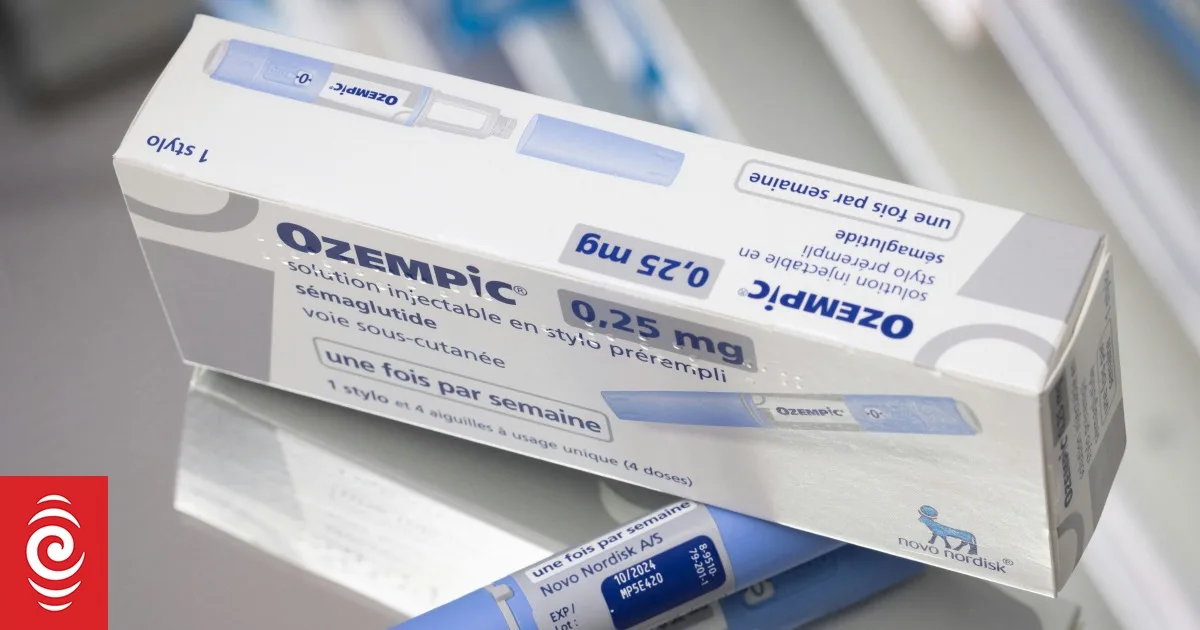
So, what exactly is GLP-1? It stands for glucagon-like peptide-1, a naturally occurring hormone that helps regulate blood sugar and appetite. Semaglutide, the active ingredient in Wegovy and Ozempic, mimics GLP-1. This is why it leads to both weight loss and improved metabolic health. These medications work by:
- Increasing insulin release: This helps regulate blood sugar.
- Slowing gastric emptying: Making you feel fuller for longer.
- Reducing appetite: Curbing cravings and calorie intake.
Think of it like having a smart assistant for your body that helps you manage your metabolism more effectively. These peptide therapies are changing the game for individuals seeking effective, sustainable solutions.
The Broader Impact: Beyond Weight Loss
The implications are far-reaching. The research indicates that therapies like semaglutide could be a first-line treatment for cardiometabolic health. This shifts the focus from simply managing weight to proactively preventing heart disease. With an estimated 40% of obese adults worldwide, this is a significant step toward improving health. This expanded application opens up a large market in preventive care.
Precision tracking for your journey
Join thousands using Shotlee to accurately track GLP-1 medications and side effects.
📱 Get the Shotlee App
Track your GLP-1 medications, peptides, and health metrics on the go with our mobile app!
Practical Takeaways: What This Means For You
While these advancements are promising, remember that medical interventions require guidance from qualified healthcare professionals. Here's what you should know:
- Consult Your Doctor: Discuss if GLP-1 therapies like Wegovy or other options are suitable for you, especially if you have cardiovascular risks.
- Embrace a Holistic Approach: Combining medication with a healthy diet, regular exercise, and stress management will provide the best results.
- Stay Informed: Keep up-to-date with the latest research and advancements in this rapidly evolving field.
Remember, your health is a journey, and every step counts. This is not medical advice, please consult your healthcare team for health advice.
Tracking Your Progress & Wellness Journey
It's vital to remember that all aspects of your health are linked. If you're on a weight loss journey, or just trying to live a healthier life, there is no better time than now to take control. Tools like Shotlee can help track progress towards goals, from steps taken and sleep quality, to other markers of overall health and wellness. This helps you stay informed of your journey and maintain accountability.
Conclusion: A New Era in Metabolic Health
The recent findings regarding Wegovy and other GLP-1 therapies mark a turning point in how we approach weight loss and cardiovascular health. While there's still much to learn, the potential for these treatments is undeniable. By combining medical advancements with healthy lifestyle choices and health tracking, you can embark on a journey toward improved health and well-being. The future is looking brighter than ever for those striving for metabolic health and better longevity!