Trump Reveals Agreement to Broaden Access and Cut Costs for Obesity Medications
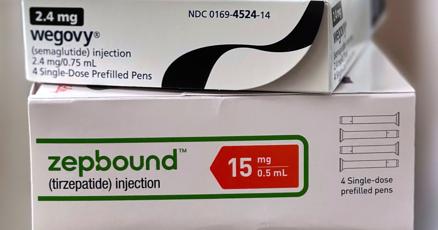
President Donald Trump announced an agreement with pharmaceutical companies Eli Lilly and Novo Nordisk on Thursday, designed to broaden insurance coverage and lower the costs of their popular obesity drugs, Zepbound and Wegovy.
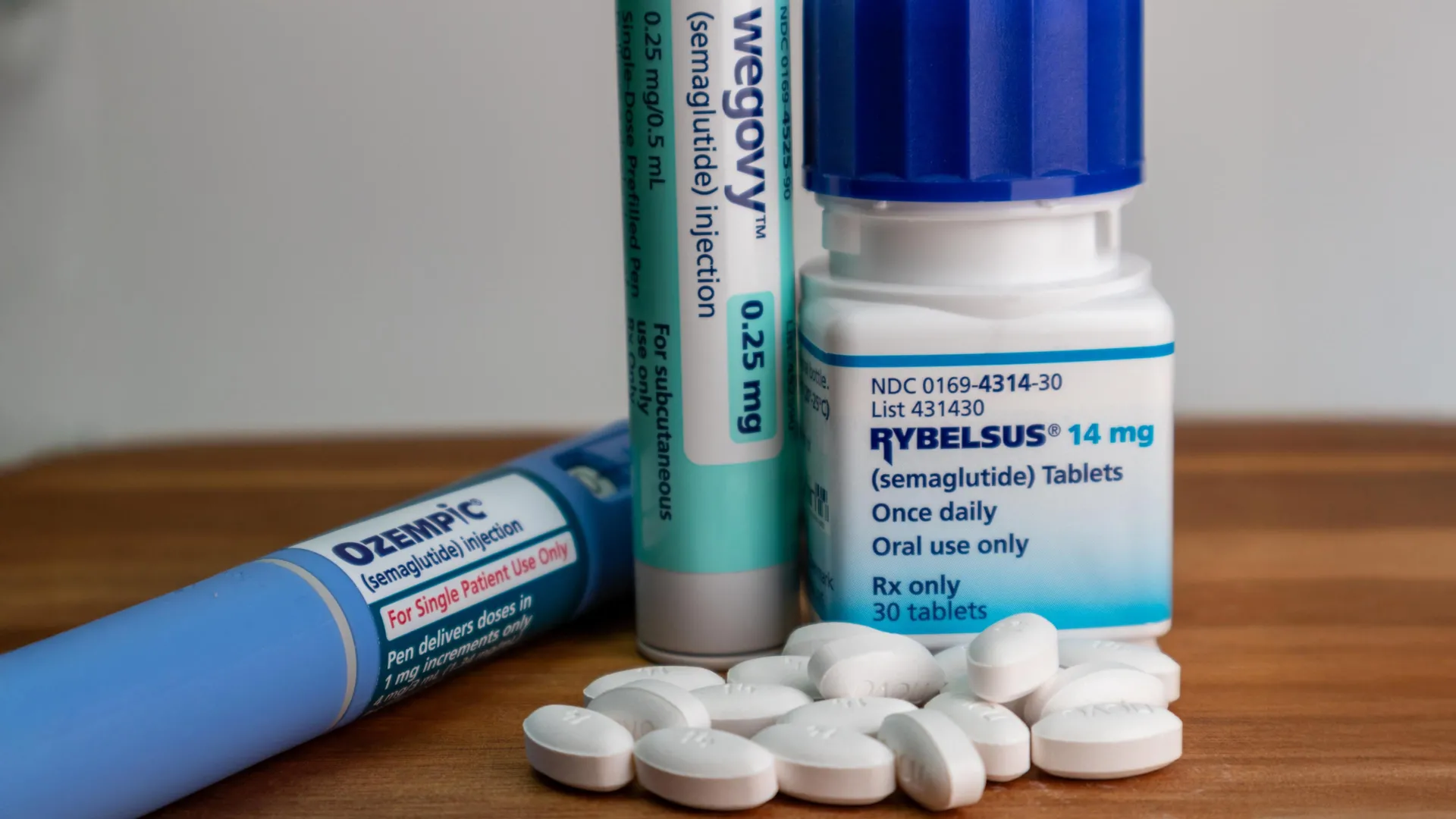
These medications belong to a newer class of obesity treatments known as GLP-1 receptor agonists, which have seen a surge in popularity recently.
However, patients have faced ongoing challenges in accessing these drugs due to their high cost—approximately $500 per month for higher dosages—and inconsistent insurance coverage.
According to the administration, Medicare coverage for obesity drugs will be expanded starting next year. They also announced that lower prices will be gradually introduced for patients lacking insurance coverage. Furthermore, the starting doses of new, pill-based versions of these treatments will be priced at $149 per month, pending approval.
Trump stated that the agreement would save lives and improve the health of millions of Americans, referring to GLP-1s as a "fat drug" during the Oval Office announcement.
This announcement represents the latest effort by the Trump administration to control rising drug prices as part of its broader strategy to address cost-of-living concerns among voters. Recently, Pfizer and AstraZeneca agreed to reduce the cost of prescription drugs for Medicaid following an executive order in May that set a deadline for drugmakers to voluntarily lower prices or face potential restrictions on government payments.
As with prior agreements, the extent to which consumers will experience the price reduction remains uncertain. Drug prices are subject to variations based on treatment competition and insurance coverage.
Obesity Drugs Gain Popularity, But Cost Remains a Barrier
Obesity medications function by targeting hormones in the gut and brain that regulate appetite and satiety. Clinical research has demonstrated that these drugs can help individuals lose between 15% and 22% of their body weight – potentially 50 pounds or more in numerous instances. Health tracking apps like Shotlee can help monitor progress and adherence.
Patients typically commence treatment with smaller doses, gradually increasing to higher amounts based on their individual requirements. Experts emphasize that obesity is considered a chronic condition, necessitating indefinite treatment to prevent weight regain.
The rapid growth of these treatments has proven highly profitable for drugmakers Eli Lilly and Co. and Novo Nordisk. Lilly recently reported that Zepbound sales have tripled this year, exceeding $9 billion.
However, the high cost of these drugs has placed them beyond the reach of many Americans.
Medicare, the federally funded health insurance program primarily for individuals aged 65 and older, has historically not covered obesity treatments. A rule proposed last November by President Trump's predecessor, Joe Biden, sought to change this, but the Trump administration subsequently rejected it last spring.
Few state and federally funded Medicaid programs, which serve low-income individuals, offer coverage for these drugs. Moreover, employers and insurers providing commercial coverage are hesitant to cover these medications, partly due to the potentially large number of patients who might utilize them.
Doctors point out that the $500 monthly price tag for higher doses renders them unaffordable for individuals without insurance.
Currently, Medicare covers the cost of these drugs for conditions such as type 2 diabetes and cardiovascular disease, but not for weight loss alone.
Trump Demonstrates Awareness of Cost-of-Living Issues
This effort to lower the financial barriers to accessing popular GLP-1 drugs aligns with the White House's objective to demonstrate that Trump is attuned to Americans' concerns regarding rising costs for essential items such as food, housing, healthcare, and other necessities.
Health and Human Services Secretary Robert F. Kennedy, Jr. stated at Thursday's announcement that Trump is a friend to the forgotten American, adding that obesity disproportionately affects those in poverty, and these drugs have primarily been accessible to affluent individuals.
Kennedy had previously voiced skepticism regarding the use of GLP-1s for combating obesity and related diseases. However, he lauded Trump for his efforts to broaden access to the drug for a wider segment of the American population.
The White House characterized the previous Democratic administration's effort as a benefit to the pharmaceutical industry, arguing that the proposal lacked sufficient price concessions from drug manufacturers.
Instead, a senior administration official asserted that Trump finalized a comprehensive deal that ensures Americans are not unfairly subsidizing the pharmaceutical industry's innovation. This official briefed reporters prior to Trump's Oval Office announcement on Thursday.
Another senior administration official stated that Medicare coverage for these drugs will expand to patients starting next year, covering individuals with severe obesity or those who are overweight or obese and have serious health problems. Eligible individuals will pay $50 copays for the medication.
Lower prices will also be phased in for individuals without coverage through the administration's TrumpRx program, enabling them to purchase drugs directly from manufacturers starting in January.
Officials indicated that lower prices will also be provided for state and federally funded Medicaid programs. Furthermore, the initial doses of new, pill-based versions of obesity treatments will cost $149 per month, contingent upon approval. Administration officials anticipate that the average price of drugs sold on TrumpRx will initially be around $350, subsequently decreasing to $245 over the next two years.
The officials provided briefings to reporters on the condition of anonymity, adhering to ground rules established by the White House.
Doctors Welcome the Price Reduction
Dr. Leslie Golden reports that approximately 600 of her patients are currently taking one of these treatments, with 75% or more struggling to afford them. Even with insurance coverage, some patients face copayments of $150 for refills.
Golden, an obesity medicine specialist in Watertown, Wisconsin, explains that every visit involves discussions about the affordability of the treatment and contingency plans if patients can no longer afford it, with some patients working additional jobs or delaying retirement to continue paying for the medication.
Both Lilly and Novo have already implemented price reductions on their drugs. Lilly previously announced its intention to lower the cost of initial doses of Zepbound to $349.
Dr. Angela Fitch, who also provides treatment to obesity patients, expressed hope that an agreement between the White House and drugmakers could serve as a crucial initial step toward enhancing the affordability of these treatments.
Fitch, the founder and chief medical officer of knownwell, a weight-loss and medical care company, emphasized the need for a breakthrough in obesity care, citing the persistent obstacles in accessing GLP-1 medications, primarily due to their cost, despite the compelling data supporting their efficacy.