
The Quest for Oral GLP-1s: History and Innovations
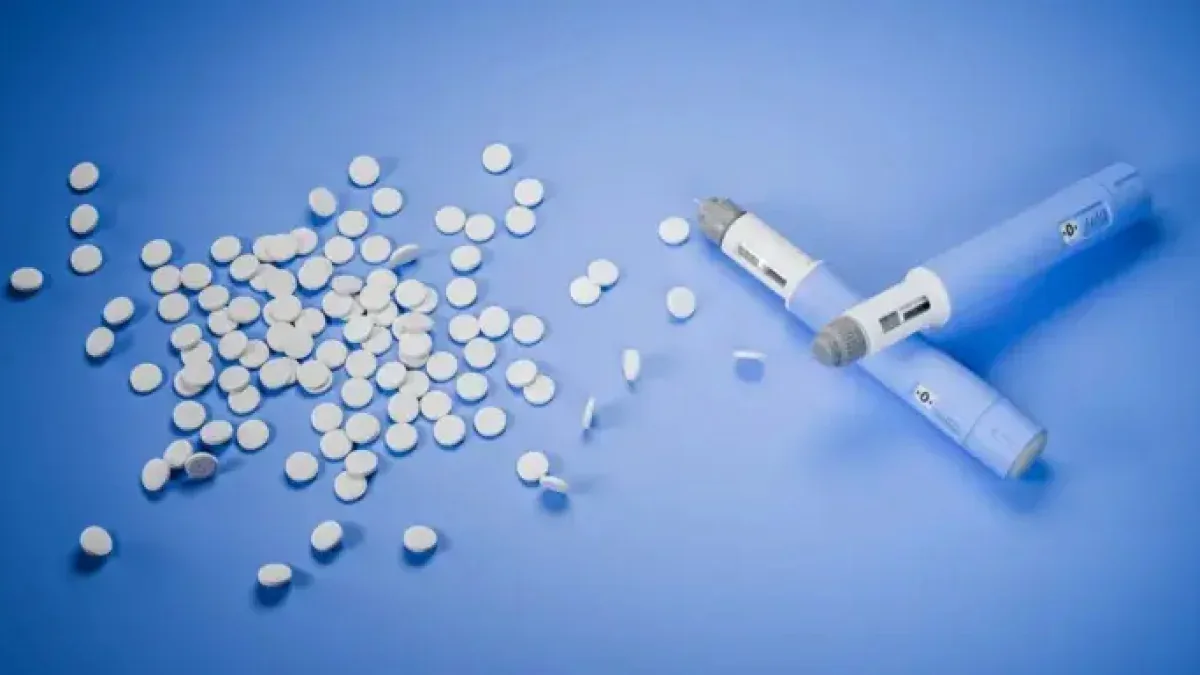
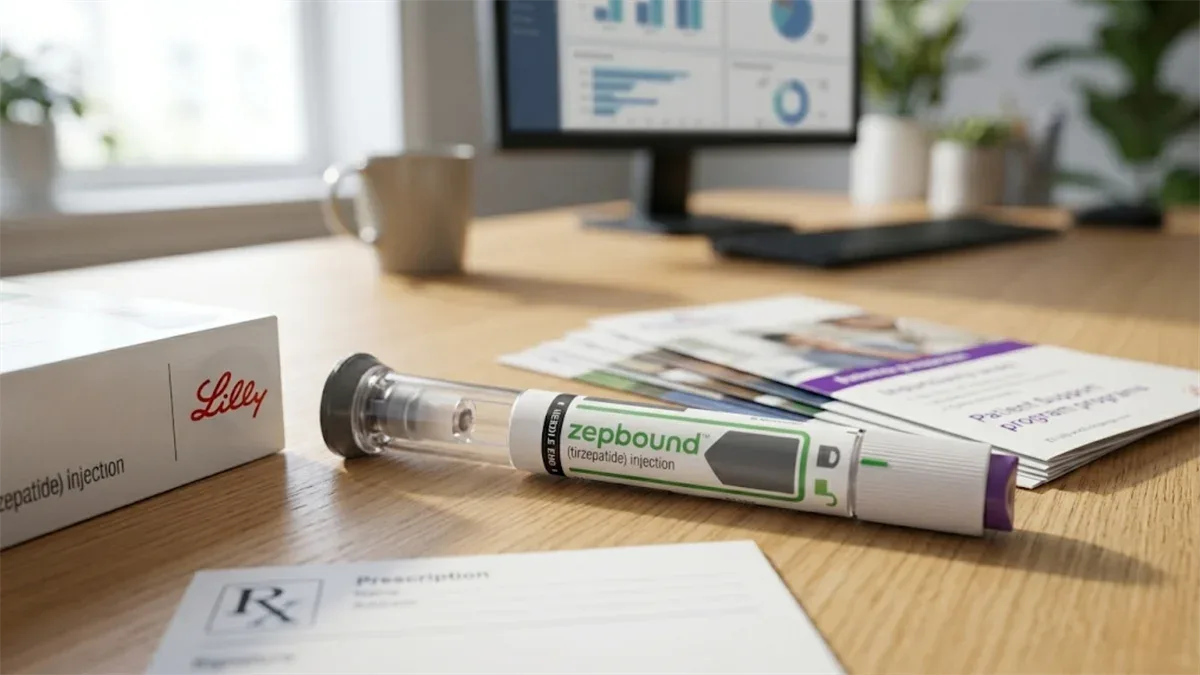
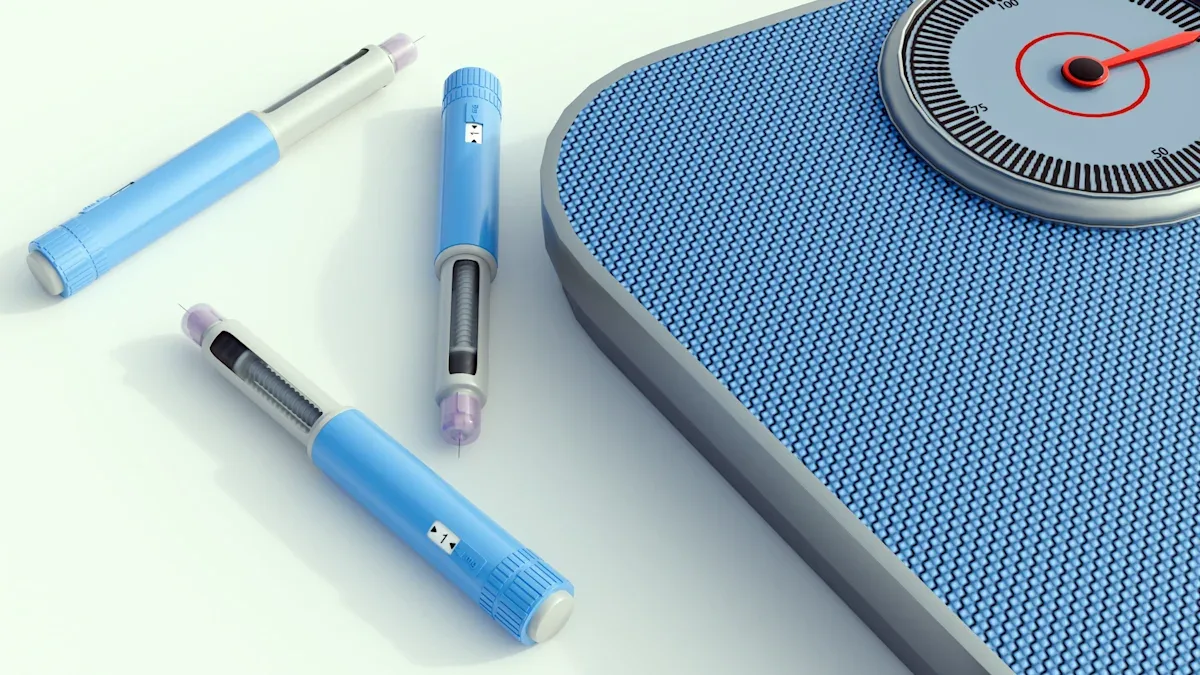
Researchers have pursued oral GLP-1s for decades, aiming to deliver the metabolic benefits of these peptide hormones without needles. From the pancreas's peptide secrets identified in the early 1900s to modern engineering feats, the path reveals why injectables like Ozempic and Wegovy dominate, yet oral alternatives like Rybelsus inch forward amid bioavailability hurdles and soaring costs. This comprehensive guide details the science, clinical milestones, and emerging biological solutions.
Early Discoveries: Unlocking GLP-1's Potential
Since the early 1900s, scientists knew the pancreas secretes peptide hormones like insulin and glucagon for metabolic regulation. The 1970s brought recombinant synthesis, with Genentech's 1978 breakthrough: inserting the human insulin gene into E. coli bacteria to mass-produce insulin from sugar, birthing biotech and ending reliance on animal pancreases.
Glucagon's gene eluded researchers until 1982, when Joel Habener and colleagues at Massachusetts General Hospital (MGH) found it encodes three peptides, including two unknowns: glucagon-like peptide-1 (GLP-1) and GLP-2. Peptide chemist Svetlana Mojsov synthesized a truncated active GLP-1 form. Her 1987 paper with Habener and Daniel Drucker showed GLP-1 stimulates glucose-dependent insulin secretion, suppresses glucagon, and slows gastric emptying—key for post-meal blood sugar stability.
These mechanisms make GLP-1 vital for type 2 diabetes (T2DM) and obesity management, mimicking natural incretin effects lost in T2DM. Patients benefit from reduced hyperglycemia without hypoglycemia risk, plus appetite control via brain GLP-1 receptors.
The Half-Life Hurdle: DPP-4 Degradation
Early 1992-1993 trials dashed hopes: GLP-1's half-life was mere minutes due to dipeptidyl peptidase-4 (DPP-4), a proteolytic enzyme destroying it in blood. This rapid breakdown demanded frequent dosing, impractical for therapy.
Gila Monster Inspiration: Birth of Exenatide
In the 1990s, endocrinologist John Eng at Bronx Veterans Affairs Hospital studied lizard venoms' pancreatic effects. The Gila monster, feeding infrequently yet maintaining stable blood sugar, secreted exendin-4 in saliva—structurally like GLP-1 but DPP-4 resistant, lasting hours.
Exendin-4 inspired exenatide (Byetta), FDA-approved in 2005 as the first twice-daily injectable GLP-1 receptor agonist. This marked GLP-1s' clinical entry, initially for diabetes.
From Diabetes to Obesity and Heart Health
Post-approval, weight loss emerged as a key side effect, linked to GLP-1 receptors in appetite/reward brain areas and delayed gastric emptying. The five STEP trials (Semaglutide Treatment Effect in People with obesity) in 2021 showed profound results without T2DM: Phase 3 averaged 15% weight loss over 68 weeks, doubling prior obesity drugs.
The 2023 SELECT trial of 17,604 obese adults without T2DM, followed over three years, reported a 20% reduction in major adverse cardiovascular events. These findings expanded GLP-1s beyond diabetes.
Prescriptions surged: CDC data shows T2DM adults on GLP-1 injectables rose 155% from 2018-2022; spending climbed over 500% by 2023.
Patient Preference for Oral GLP-1s
A 2020 survey of 600 patients found 76.5% prefer once-daily oral over once-weekly injections. Convenience drives this, reducing injection anxiety and improving adherence—crucial for chronic metabolic conditions. Patients should discuss preferences with providers, weighing efficacy, cost, and lifestyle.
Barriers to Oral GLP-1 Delivery
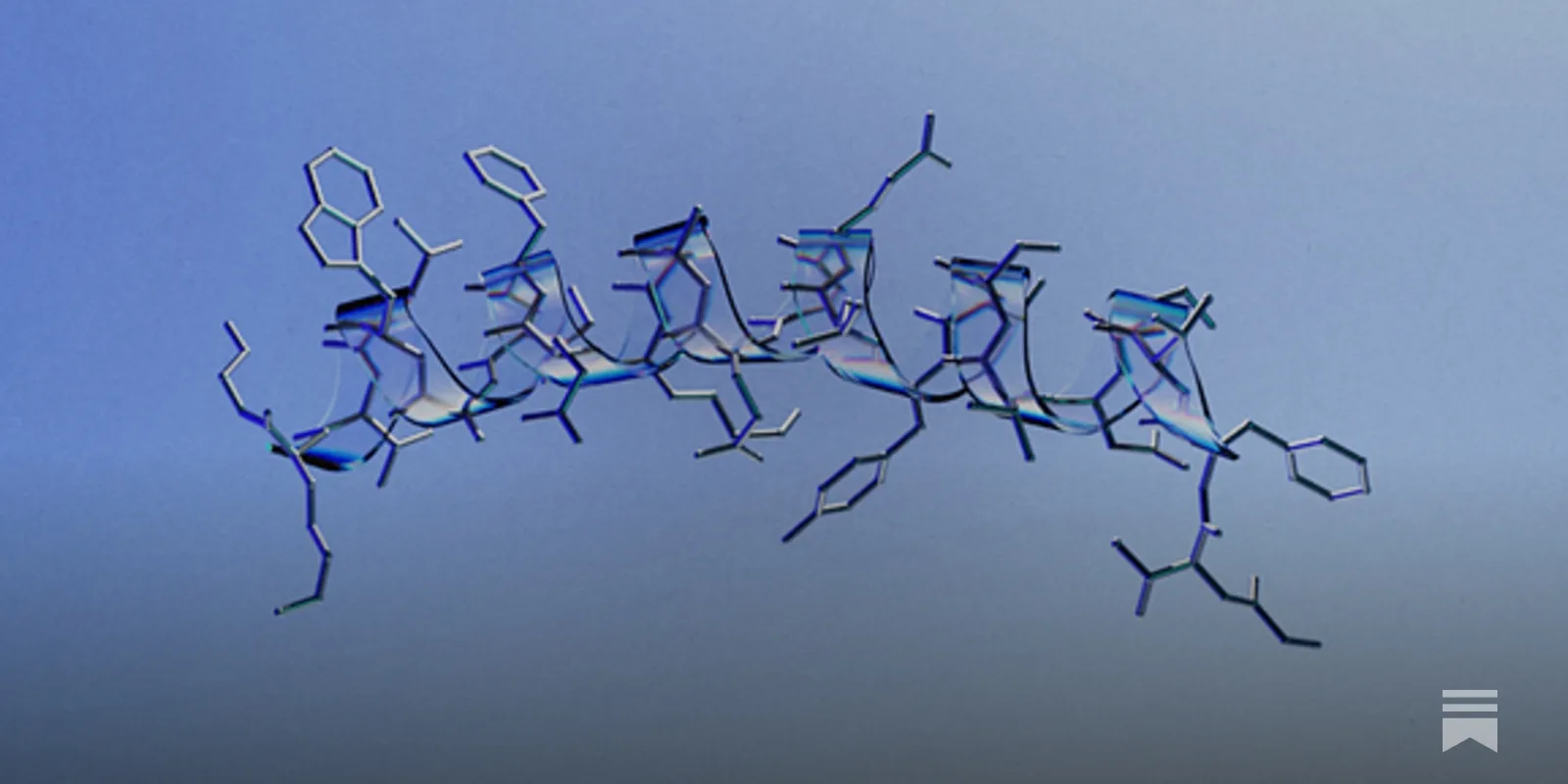
Peptides like GLP-1, amino acid chains, face triple threats orally: stomach hydrochloric acid/peptidases cleave bonds; surviving molecules hit intestinal absorption issues; blood entry brings DPP-4 and renal excretion.
Injectable Advances: Aib Substitution and Lipidation
Semaglutide (Ozempic, Wegovy) overcame blood stability via alanine-8 swap to alpha-aminoisobutyric acid (Aib), DPP-4 resistant. Lipidation fuses a fatty acid chain, binding serum albumin (20-day half-life), shielding from proteases/kidneys. Half-life jumps to 168 hours for weekly dosing—vastly better than exenatide's twice-daily.
Precision tracking for your journey
Join thousands using Shotlee to accurately track GLP-1 medications and side effects.
📱 Get the Shotlee App
Track your GLP-1 medications, peptides, and health metrics on the go with our mobile app!
These don't aid oral transit.
Rybelsus: A Step Forward with SNAC
Novo Nordisk's Rybelsus co-formulates semaglutide with SNAC (sodium N-[8-(2-hydroxybenzoyl) amino] caprylate). SNAC raises local pH, blocking pepsin; enhances permeation through stomach/intestine lining.
Bioavailability? A study showed 0.8%—<1% absorbed. Thus, daily 14mg Rybelsus matches weekly 2mg Ozempic glycemic effects (50-fold weekly difference). PIONEER trials: Ozempic 15-20% weight loss over 68 weeks; Rybelsus 14mg: 4-5%. OASIS 1's 50mg daily hit 15.1%, nearing injectables.
Safety mirrors injectables: nausea, GI issues common initially; patients should start low, hydrate, track symptoms via apps like Shotlee for side effects or adherence.
Cost Challenges of Oral GLP-1s
Semaglutide manufacture: $70,000-$100,000/kg. Injectable 2mg weekly: ~$0.20 drug cost. Oral 50mg daily (1,500mg monthly): ~$150 drug alone vs. <$1 injectable—before formulation/packaging.
Retail drivers: R&D ($9B), cold chain, pens. Oral hikes raw costs, limiting scalability.
Biological Innovation: Edible Microbes as Drug Factories
Skip purification (80% cost) via edible cells. Genentech's 1978 E. coli insulin set precedent, but endotoxins demand purification.
Enter GRAS cyanobacteria like Arthrospira platensis (spirulina), eaten for antioxidants. Engineer to express GLP-1: 20g twice-daily powder ~$4/day therapeutic dose.
Cell walls protect: >70% proteins intact after 2-hour simulated gastric conditions vs. minutes for purified. Recent tools (2022 paper) enable high expression (15% biomass); UTEX 3222 ("Chonkus", 2023) grows fast on light/CO2.
Regulatory Path and Safety
GRAS or prove safety via trials. As delivery platform for existing drugs, shorter approvals possible—show unchanged pharmacokinetics, no adverse effects. Not every cyanobacterium GRAS; spirulina fits.
Global Accessibility for Metabolic Health
T2DM burdens LMICs: Bangladesh 9.2% prevalence, 8M+ cases to 15M by 2045. GLP-1s scarce ($95 Brazil, $115 South Africa, $353 US); shortages hit diabetes care. Edible oral skips refrigeration, slashes costs—echoing MSF patent pleas.
Key Takeaways for Patients and Providers
- GLP-1s excel via glucose control, weight loss (15%+), CV risk reduction (20% SELECT).
- Oral like Rybelsus viable but higher dose/cost; monitor GI tolerance.
- Future: Algae-encapsulated GLP-1s promise affordability, protection, accessibility.
- Discuss with doctors: Suitability, track via tools like Shotlee for symptoms/schedules.
- Comparisons: Injectables superior efficacy/cost now; orals closing gap.
Conclusion: Will Patients Embrace Algae-Delivered Medicine?
The quest for oral GLP-1s solves enzymatic degradation, boosts absorption, cuts costs via biology. Rybelsus proves feasibility; microbes like spirulina could democratize access. Patients stand to gain needle-free metabolic control—consult providers for personalized paths amid evolving options.