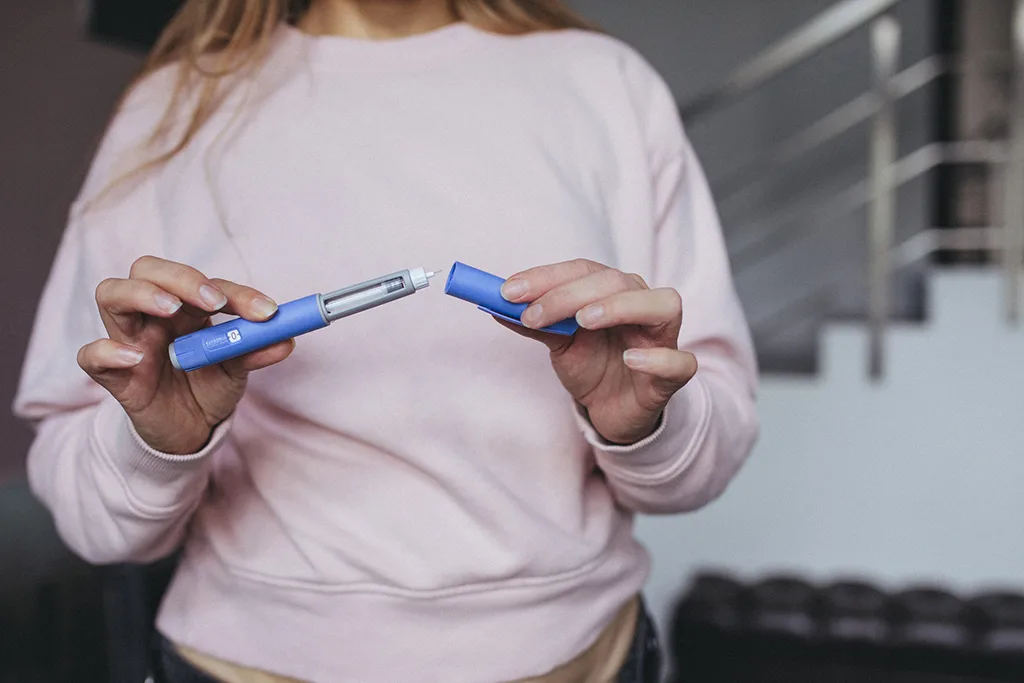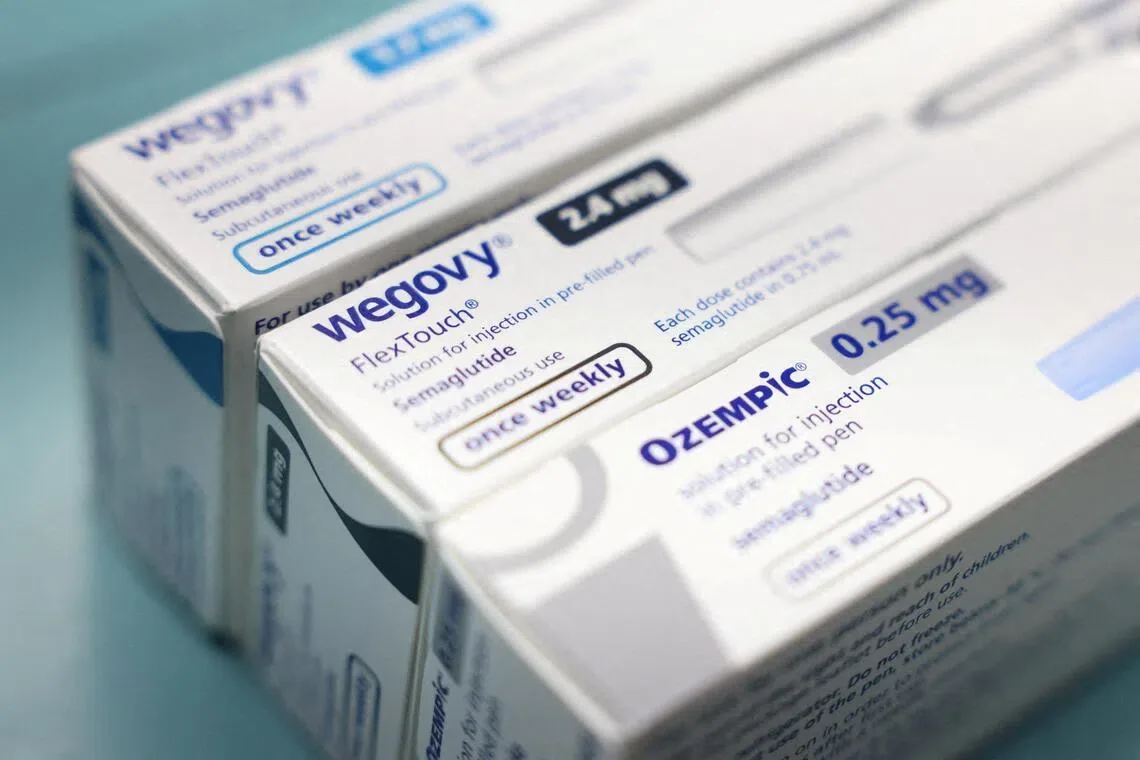

Demand for GLP-1 obesity treatments like Wegovy and Mounjaro has exploded in Seoul, where aesthetic clinics heavily prescribe them. Yet, this has created a stark supply imbalance across South Korea.
GLP-1 Supply Heavily Concentrated in Greater Seoul
Ministry of Health and Welfare data from January 21 shows 914,000 units of Wegovy and Mounjaro supplied nationwide in November 2025. About 65.8%—or 601,000 units—went to Greater Seoul, including Incheon and Gyeonggi Province.
- Seoul alone: 34.5% of total supply
- Gyeonggi Province: 26%
- Incheon: 5.3%
Outside the capital, Busan received 5.9% and Daegu 4%, while most other regions got around 1% each.
Disparity Exceeds Population Distribution
Greater Seoul houses roughly 50% of South Korea's population but claims over 65% of GLP-1 drugs. This pattern stems from surging demand in urban aesthetic clinics.
Precision tracking for your journey
Join thousands using Shotlee to accurately track GLP-1 medications and side effects.
📱 Get the Shotlee App
Track your GLP-1 medications, peptides, and health metrics on the go with our mobile app!
Higher Obesity Rates in Underserved Regions
Obesity rates are often higher outside metropolitan areas. The Korea Disease Control and Prevention Agency reported South Jeolla Province and Jeju Island at 36.8% obesity in 2024—the nation's highest.
- Danyang, Boeun (North Chungcheong): >41% over three years
- Cheorwon (Gangwon): >41%
- Seoul overall: 31%
- Gangnam-gu: 24% (lowest in Seoul), yet 16% of national supply
Calls for Government Action on Access
Representative Seo Mi-hwa of the Democratic Party of Korea highlighted risks: "A supply concentration of obesity drugs in specific regions, amid surging demand, can limit consumer access."
She urged authorities to monitor for price distortions and market disruptions, as obesity fuels chronic diseases.