
Semaglutide's Canadian Roadblock: What's Happening?
Pharmaceutical company Dr. Reddy's Laboratories recently faced a regulatory hurdle in Canada for its Semaglutide Injection submission. The company received a Notice of Non-Compliance (NON) from the Pharmaceutical Drugs Directorate, requesting further information and clarifications. While this news caused a dip in the company's stock, it's a reminder of the rigorous processes involved in bringing medications to market, particularly those related to groundbreaking treatments like Semaglutide.
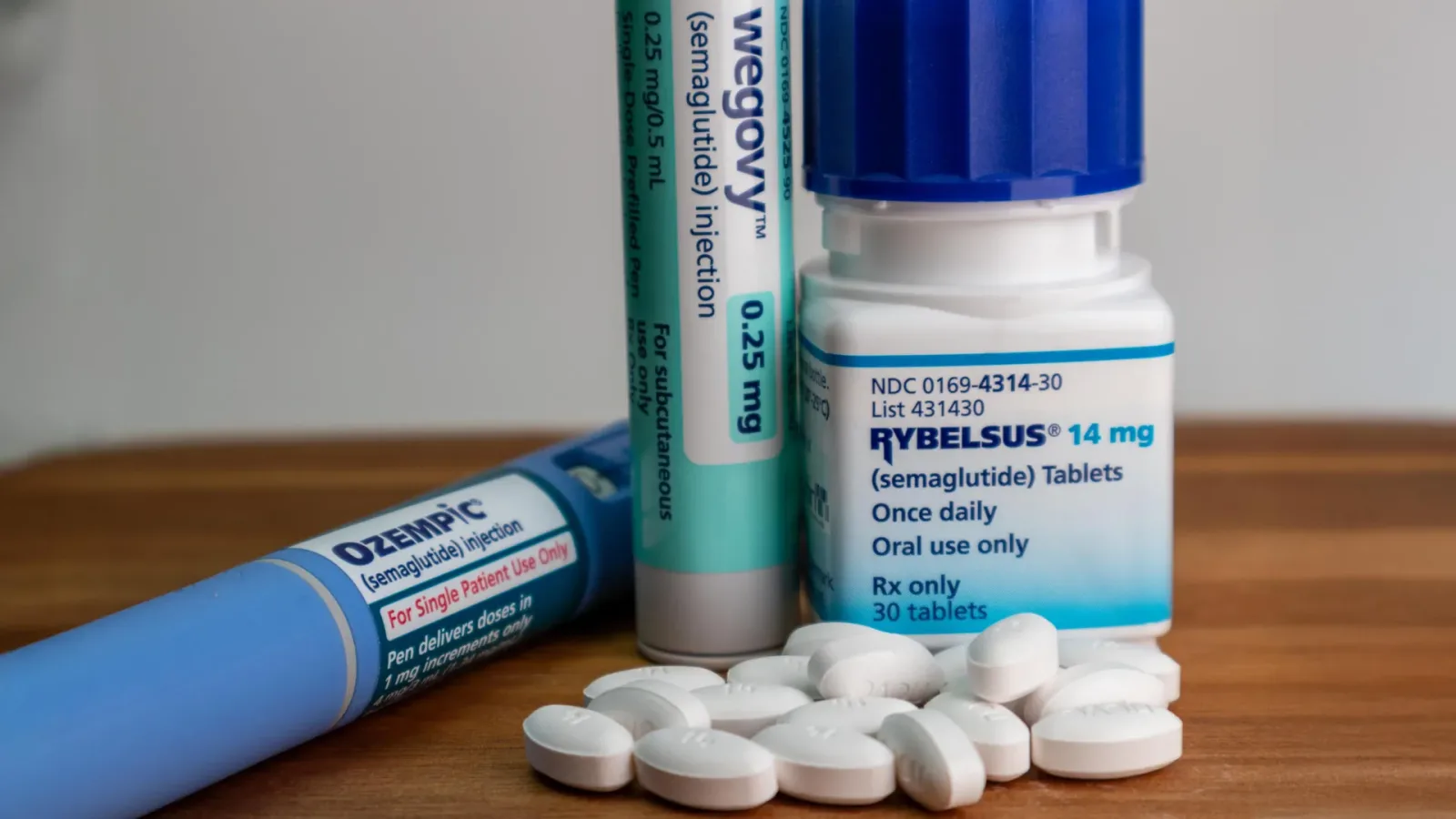
Semaglutide, available under brand names like Ozempic and Wegovy, is a GLP-1 receptor agonist. This class of drugs has revolutionized treatment for type 2 diabetes and offers significant benefits for weight loss. Understanding this setback and its broader implications is crucial for anyone interested in their health and the future of weight management.
Deciphering the Impact of the NON
What Does This Mean for the Canadian Market?
The NON issued to Dr. Reddy's indicates that the regulatory body needs more information before approving the drug. This is not uncommon in the pharmaceutical industry and doesn't necessarily mean the drug is unsafe or ineffective. It simply means the company needs to provide more data and clarifications. Dr. Reddy's has stated its commitment to responding promptly and remains confident in the product. However, this delay could postpone the availability of a potentially valuable treatment option for Canadians. This is particularly relevant given the high demand for effective weight loss solutions.
The Broader Implications for GLP-1 Therapies
The regulatory process highlights the importance of thorough review for all medications, especially those with significant impacts on health. This process also shows the importance of patient safety and efficacy. GLP-1 therapies, including semaglutide, are highly sought after for their dual benefits in managing diabetes and promoting weight loss. This delay may impact the availability of affordable semaglutide options. This delay could have a temporary impact on the market but is also a signal that other pharmaceutical companies will have to go through the same rigorous testing and information gathering processes.
Precision tracking for your journey
Join thousands using Shotlee to accurately track GLP-1 medications and side effects.
📱 Get the Shotlee App
Track your GLP-1 medications, peptides, and health metrics on the go with our mobile app!
The Rising Tide of Peptide Therapy and Metabolic Health
Semaglutide in Perspective: Beyond Weight Loss
Semaglutide isn't just about weight loss; it also has a significant impact on **metabolic health**. It helps regulate blood sugar levels, which can reduce the risk of diabetes and other health complications. Further research continues to reveal the broad range of benefits, from cardiovascular health to longevity. The interest in these types of treatments is also fueling interest in peptide therapy in general.
Considering the Future of Health Tracking
Given the increasing focus on preventative healthcare and personalized wellness, understanding how your body responds to treatments like semaglutide is becoming more important. Tracking vital metrics such as blood sugar, weight, and even your overall energy levels can provide critical insights into how your body is changing. Tools like Shotlee can help track these metrics and provide a comprehensive view of your health progress, empowering you to make data-driven decisions about your well-being. This can be especially useful for those on peptide therapy.
Practical Takeaways for Your Health Journey
- Stay Informed: Keep up-to-date with developments in the pharmaceutical industry and how they might affect your health.
- Consult Your Doctor: Discuss GLP-1 therapies with your healthcare provider to determine if they are right for you.
- Focus on Lifestyle: Combine any medical interventions with healthy eating, regular exercise, and adequate sleep for best results.
- Track Progress: Monitor key health indicators, such as weight, blood sugar, and overall wellness.
Conclusion
The recent regulatory setback for Dr. Reddy's Semaglutide Injection in Canada is a reminder that bringing new therapies to market is a complex process. While delays are possible, the commitment to research and safety remains paramount. As we look ahead, the use of GLP-1 therapies continues to show promise in improving both weight loss and metabolic health. Staying informed, consulting with your doctor, and tracking your personal health data are crucial steps in navigating the evolving landscape of modern medicine and achieving your wellness goals.