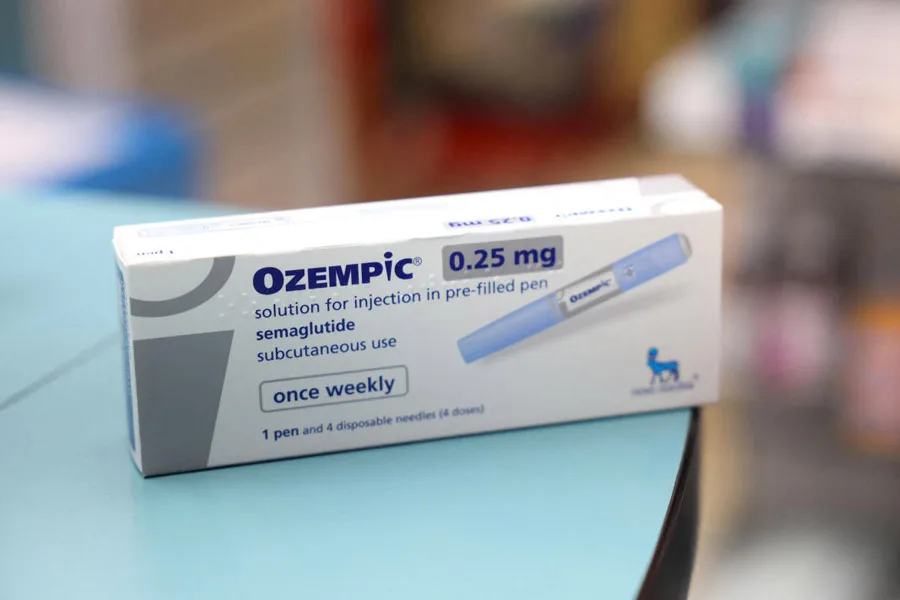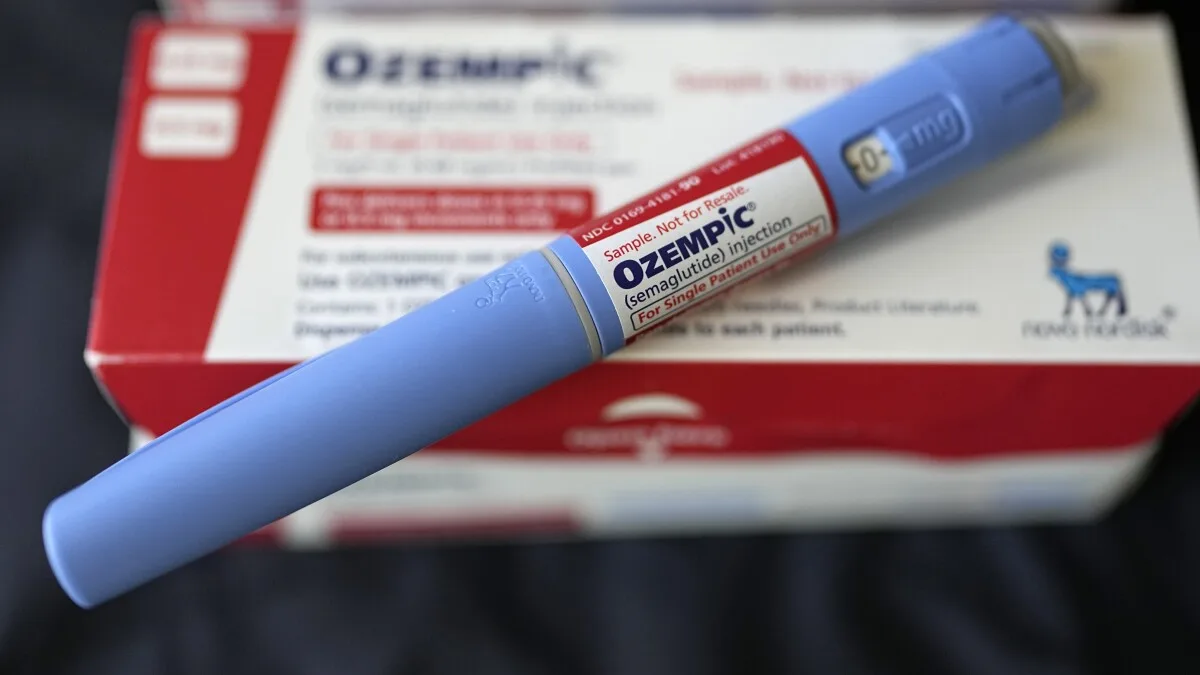

Searching 'Weight' Can Yield Ozempic Results: A Drug Advertising Issue
If you've ever used Google to search for "weight loss" solutions, it's quite possible that one of the initial results displayed was a website promoting Ozempic.
However, it's important to note that the Food and Drug Administration (FDA) has not given Ozempic the green light for weight loss; its approved use is solely for treating Type 2 diabetes. This raises the question: why does it appear in these search results?
The answer lies in a practice called sponsored search results. Companies allocate funds to search engines to ensure their websites rank high in the results when users enter specific keywords or phrases.
Daniel Eisenkraft Klein, a research fellow at Harvard Medical School and Brigham and Women's Hospital, specializing in therapeutics and law, noted that search engines are often the first resource people turn to for health-related queries.
He further explained that pharmaceutical companies have learned to leverage this system through pay-per-click ads, essentially paying their way to the top of search results.
Typically, pharmaceutical companies face stringent regulations when advertising their products in traditional media like magazines or television.
These regulations mandate the disclosure of potential risks or side effects and prohibit advertising a drug for unapproved conditions, even if doctors occasionally prescribe it "off-label." Failure to comply can lead to FDA repercussions, aiming to prevent misleading ads that could harm individuals.
Online sponsored search results, prominently displayed at the top, are not subject to the same rigorous oversight as TV commercials. Current laws haven't adapted to the evolving technological landscape. Health tracking apps like Shotlee can help monitor any side effects from medications.
Precision tracking for your journey
Join thousands using Shotlee to accurately track GLP-1 medications and side effects.
📱 Get the Shotlee App
Track your GLP-1 medications, peptides, and health metrics on the go with our mobile app!
Eisenkraft Klein and his team analyzed two years' worth of paid search results for Ozempic, sponsored by its manufacturer, Novo Nordisk.
Study Findings
The research, published in the medical journal JAMA Network Open, revealed that 11% of the keywords or phrases the company paid for included the term 'weight,' despite Ozempic's lack of approval for weight loss.
Moreover, they discovered that Novo Nordisk invested in search results even when the keywords pertained to competitor drugs like Trulicity and Mounjaro, produced by Eli Lilly.
According to Eisenkraft Klein, Novo Nordisk sponsored the search term 'Kelly Clarkson weight loss,' likely targeting individuals interested in celebrity weight loss trends.
While the study concentrated solely on Ozempic, Eisenkraft Klein suggests that further research is necessary to examine sponsored results for other drugs and therapies.
Nevertheless, Eisenkraft Klein believes the research provides a valuable lesson for consumers: avoid assuming that Google provides the most relevant information. Just because a result appears first doesn't guarantee its objectivity or relevance.
He advises users to scroll past sponsored search results and seek information from independent sources, like academic medical centers, when researching medications online.