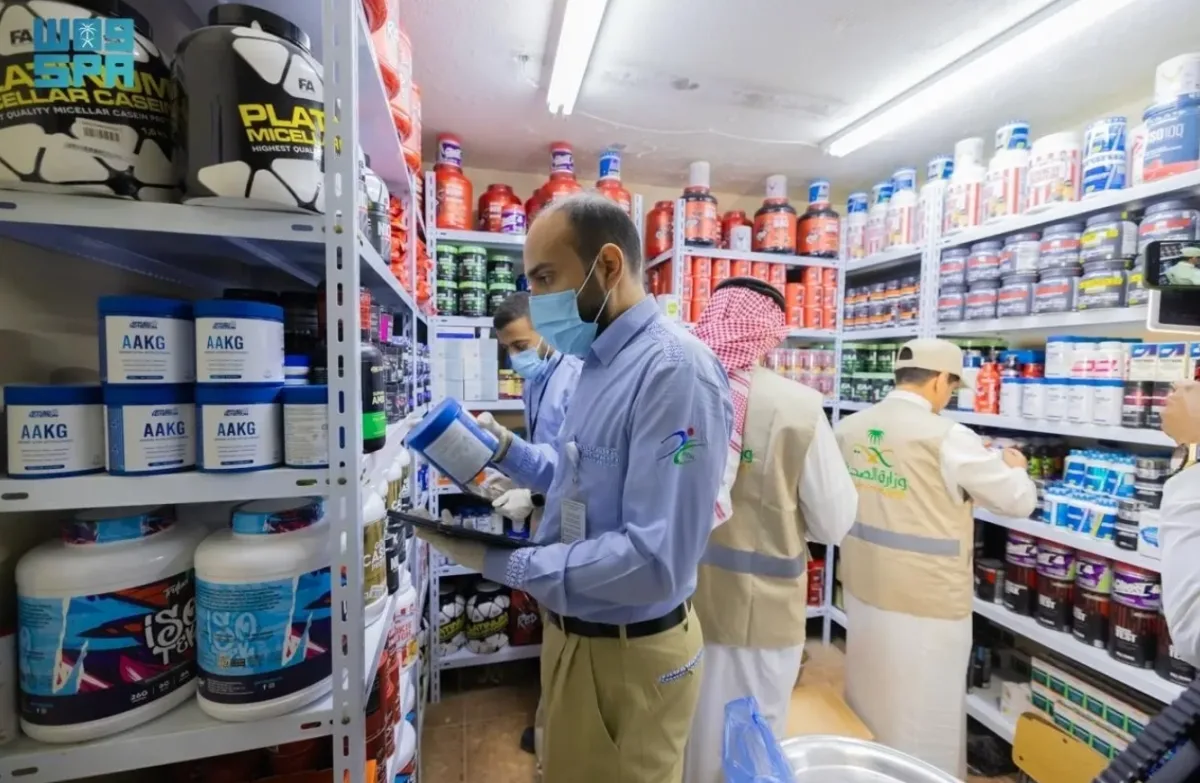
The Saudi Ministry of Health has taken decisive action against the illegal sale of health products, detaining several gym trainers of Arab nationalities for selling and promoting unregistered and unlicensed weight loss medications, hormonal drugs, and peptide substances. This enforcement highlights growing concerns over unregulated peptide therapy and metabolic health products in fitness settings. Detected through rigorous monitoring of social media, the violations prompted a swift response in coordination with the Saudi Food and Drug Authority (SFDA) and other relevant authorities.
The Details of the Crackdown
Investigations traced the supply chain to a warehouse that authorities raided during a sting operation. The warehouse was found to contain hormonal supplements, peptide materials, and Retatrutide—a substance still undergoing clinical trials without an established safety record. This operation underscores the Ministry's commitment to protecting public health from unverified products often marketed aggressively in gyms and online.
Gym trainers were actively promoting these items, exploiting the demand for rapid weight loss and muscle enhancement solutions. Social media platforms served as the primary detection tool, revealing posts that glamorized these substances without disclosing their unlicensed status.
What Are the Drugs Involved?
Weight Loss Medications and Hormonal Drugs
Unregistered weight loss medications in this context likely refer to compounds mimicking GLP-1 agonists or similar metabolic regulators, often sourced from unregulated suppliers. Hormonal drugs, such as anabolic steroids or growth hormone releasers, are popular in bodybuilding circles for their purported muscle-building effects but carry significant risks when not medically supervised.
Peptide Substances
Peptides are short chains of amino acids used in peptide therapy for various purposes, including fat loss, recovery, and metabolic health. In fitness communities, they are hyped for benefits like improved insulin sensitivity or appetite suppression. However, without SFDA approval, their purity, dosing, and long-term effects remain unverified, leading to potential contamination or adverse reactions.
Retatrutide: A Substance in Clinical Trials
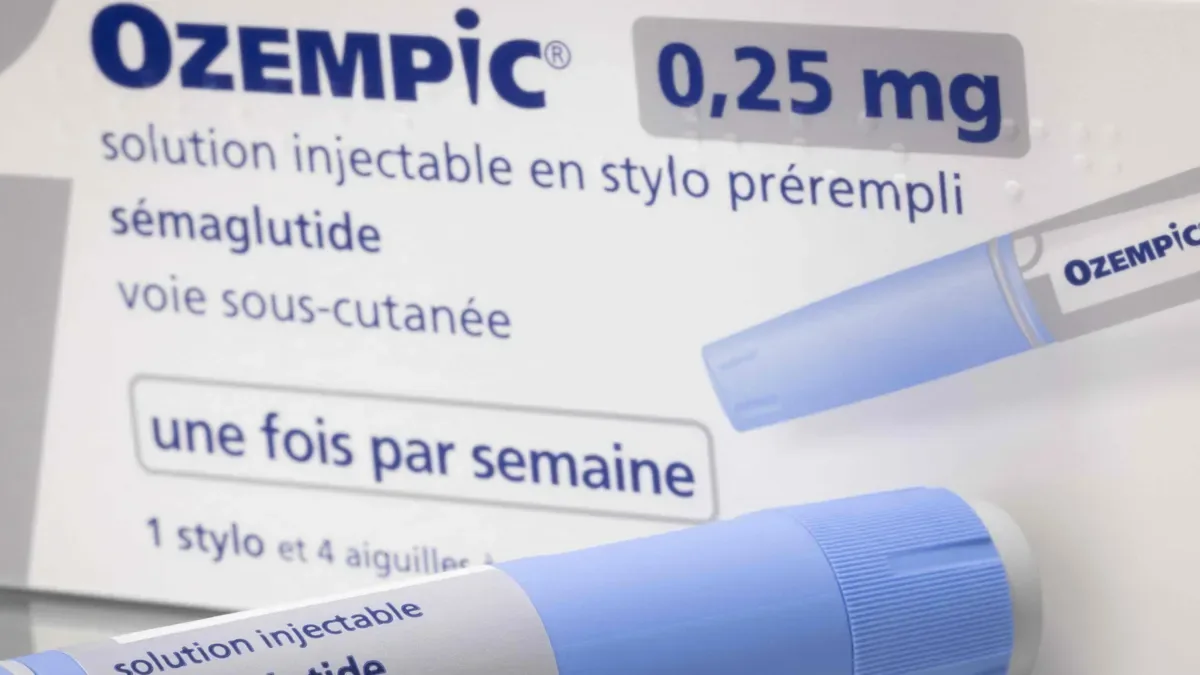
Retatrutide stands out as it is an investigational triple agonist targeting GLP-1, GIP, and glucagon receptors, showing promise in clinical trials for obesity and type 2 diabetes management. Developed by Eli Lilly, it aims to enhance weight loss beyond current GLP-1 medications like semaglutide (Ozempic). Yet, as the source material notes, it lacks an established safety record and is not approved for sale anywhere, making its presence in a Saudi warehouse particularly alarming.
Why Are These Sales Illegal in Saudi Arabia?
Saudi regulations under the SFDA strictly control pharmaceuticals, requiring rigorous testing for safety and efficacy before market entry. Unlicensed products bypass this, posing risks like impurities, incorrect dosing, or interactions with other medications. The Law of Practicing Healthcare Professions governs such violations, emphasizing that only licensed professionals can dispense health products.
In the context of metabolic health, where GLP-1 medications and peptides are increasingly sought for weight management, unregulated sales undermine evidence-based care. Patients risk counterfeit versions that fail to deliver benefits or cause harm, such as gastrointestinal issues, hormonal imbalances, or cardiovascular complications.
Risks of Unregulated Weight Loss and Peptide Products
Without medical oversight, these substances can lead to serious side effects. Hormonal drugs may cause liver damage, cardiovascular strain, or endocrine disruption. Peptides, if impure, risk immune reactions or injection-site infections. Retatrutide, being experimental, could amplify GLP-1-like effects such as nausea, pancreatitis, or thyroid concerns observed in similar drugs.
Precision tracking for your journey
Join thousands using Shotlee to accurately track GLP-1 medications and side effects.
📱 Get the Shotlee App
Track your GLP-1 medications, peptides, and health metrics on the go with our mobile app!
For gym-goers pursuing metabolic health goals, self-administration skips crucial steps like baseline health assessments, dosing personalization, and monitoring. Clinical peptide therapy, when legitimate, involves doctors tailoring protocols based on bloodwork and health history.
Legal Penalties for Violations
The Ministry outlined clear consequences: penalties under the Law of Practicing Healthcare Professions include up to six months in prison and significant fines, in addition to other applicable penalties. This serves as a deterrent for trainers and suppliers exploiting fitness enthusiasts.
Guidance for Gyms, Sports Centers, and Consumers
The Ministry urged gyms and sports centers to strengthen oversight and ensure staff compliance, conducting regular audits and training on regulations. For gym-goers, the advice is straightforward: obtain health products only from licensed sources and under medical supervision. Avoid unverified products promoted on social media, which often prioritize sales over safety.
Consult endocrinologists or metabolic specialists for legitimate peptide therapy or GLP-1 prescriptions. Tools like symptom trackers can help monitor adherence and side effects during supervised treatment, ensuring optimal outcomes.
Safe Alternatives for Weight Loss and Metabolic Health
Evidence-based options include FDA-approved GLP-1 medications like semaglutide or tirzepatide, available via prescription in Saudi Arabia through licensed channels. Combine with diet, exercise, and lifestyle changes for sustainable results. For peptide therapy, seek clinics offering compounded versions under SFDA guidelines, focusing on growth hormone secretagogues or metabolic peptides with proven protocols.
Compare to alternatives: While Retatrutide shows superior trial weight loss (up to 24% body weight reduction in phase 2 data), approved drugs offer established safety profiles. Always prioritize doctor-guided plans over gym-sourced shortcuts.
How to Report Violations
Violations can be reported through the unified call center at 937, enabling quick action against illegal sales. This public involvement is key to maintaining a safe health product ecosystem.
Key Takeaways: What This Means for Patients and Fitness Enthusiasts
- Saudi authorities detained gym trainers selling unlicensed weight loss meds, hormones, peptides, and Retatrutide via social media promotion.
- A warehouse raid revealed the supply chain, emphasizing risks of untested products.
- Penalties include up to 6 months prison and fines; source only from licensed providers.
- Under medical supervision, legitimate metabolic therapies offer safer paths to weight loss.
- Report suspicions to 937 to protect community health.
This enforcement reinforces the need for vigilance in peptide therapy and GLP-1 spaces. By sticking to regulated channels, individuals can pursue metabolic health goals without compromising safety.