
Evolving Access and Affordability in Weight Loss Treatments
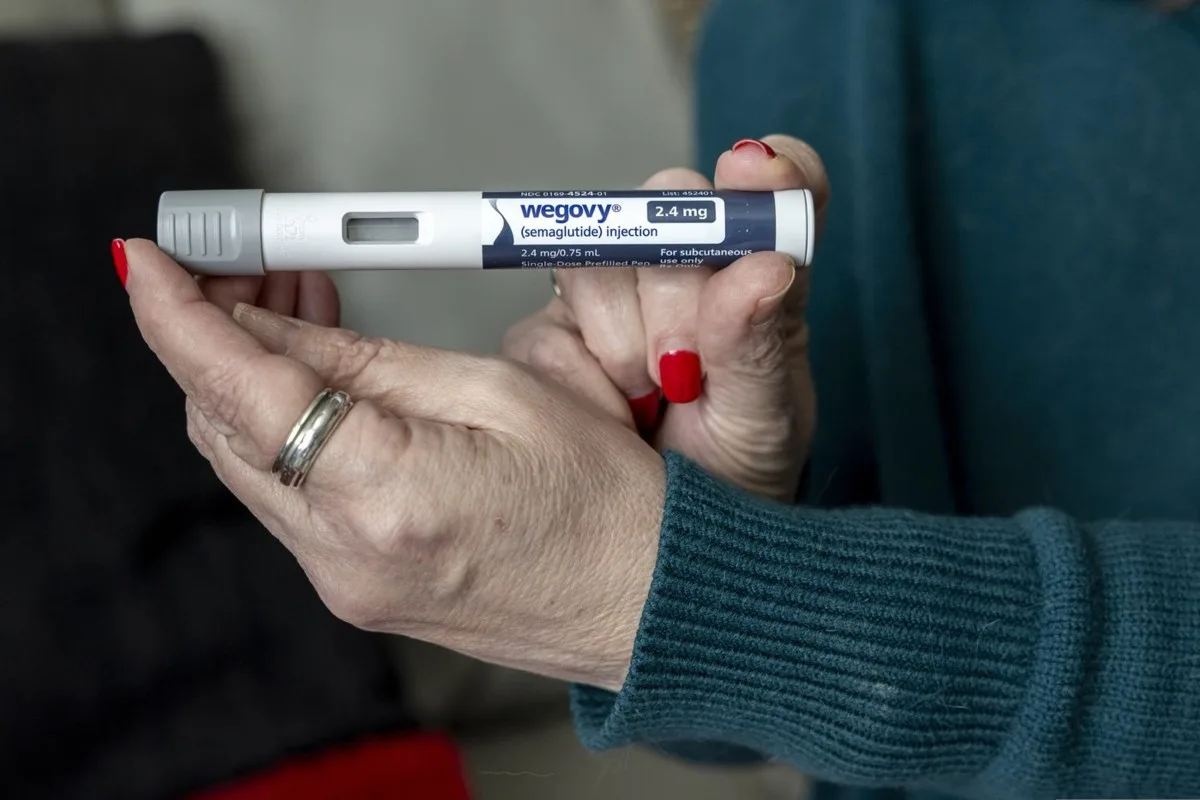
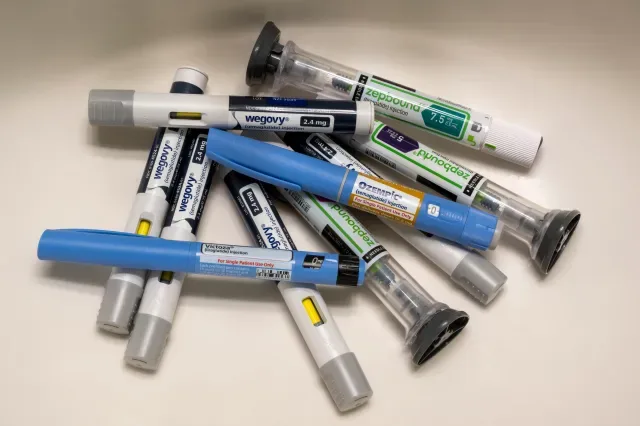
Previously characterized by steep prices, supply issues, and frequent injections, medications like Wegovy and Zepbound are anticipated to become simpler to obtain and more budget-friendly. Innovative alternatives for individuals hesitant about needles are on the horizon.
"The range of GLP-1 options is poised for substantial expansion," remarked Dr. Christopher McGowan, a gastroenterologist operating a weight management facility in Cary, North Carolina. "For the initial time, medical approaches to obesity will shift from a uniform solution to tailored strategies."
Emergence of GLP-1 Pills as a Major Innovation
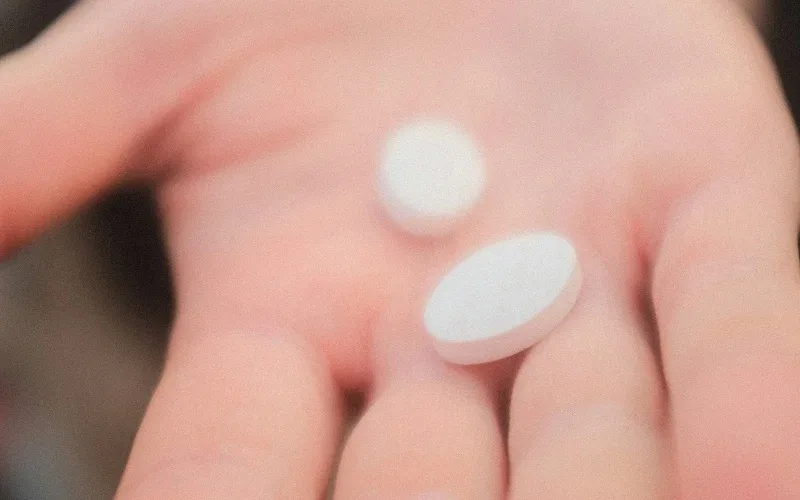
Pills containing GLP-1 for weight management could represent the most notable advancement to date.
Novo Nordisk recently secured approval from the Food and Drug Administration for the inaugural GLP-1 pill aimed at shedding pounds. This drug, branded as the Wegovy pill, is slated for broad distribution this month.
An additional GLP-1 pill from Eli Lilly is projected to receive clearance later in the year.
According to Dr. Shauna Levy, director of medical services at the Tulane Weight Loss Center, these pills will provide an excellent choice for those favoring oral remedies or facing challenges in obtaining injectable forms.
"Given the abundance of products available, I anticipate that rivalry will drive down costs even further," Levy noted.
Pricing and Cost Comparisons
A one-month supply of the pills is forecasted to be less expensive than a similar period of injections.
Although Novo Nordisk has yet to disclose the official price for the Wegovy pill, they have indicated that the two mildest doses will run $149 per month for cash-paying individuals without insurance. In contrast, the basic dose of the Wegovy injection costs $349 monthly for those paying out of pocket.
Beginning next week, the two stronger pill doses will be available at $299 per month for cash payers. For insured patients, co-payments might drop to as little as $25 monthly, per the manufacturer.
Dr. Daniela Hurtado Andrade, an endocrinologist at the Mayo Clinic in Jacksonville, Florida, suggested that reduced pricing will likely enhance availability. However, she pointed out that the greatest weight reduction in studies resulted from the highest dosage, potentially requiring higher expenses for more significant losses.
Nonetheless, even $149 monthly may prove prohibitive for many, she added.
"This topic requires open dialogue with patients," Andrade stated, "as their anticipations might not align with reality."
Challenges and Efficacy of Pill Formats
Levy highlighted a limitation of the pill: it demands adherence to a rigid timetable for optimal outcomes, taken daily in the morning without food. In an advanced clinical study, participants who followed the regimen precisely shed an average of 16.6% of their body weight. This figure decreased to 13.6% for those who deviated from the instructions.
"We must recognize that the effectiveness of these drugs diminishes with inconsistent use, and I'm eager to observe their performance in everyday scenarios," Levy explained. Lilly's pill offers slightly more leniency, requiring daily intake but allowing flexibility in timing.
Chris Mertens, a 35-year-old from Menominee Falls, Wisconsin, reported no difficulty in remembering his morning Wegovy pill during a late 2022 trial. Unbeknownst to him at the start, he received the actual drug rather than a placebo.
At the trial's outset, he tipped the scales at around 260 pounds, with a body mass index of approximately 32, aiming for closer to 200 pounds. After 18 months on the treatment, Mertens indicated a 40-pound reduction, stabilizing at about 220. He mentioned that the loss boosted his vitality in professional and personal settings and transformed his dietary habits.
Next-Generation GLP-1 Drug: Retatrutide
Lilly is nearing completion of trials for what might be the strongest GLP-1 medication to date, known as retatrutide.
Precision tracking for your journey
Join thousands using Shotlee to accurately track GLP-1 medications and side effects.
📱 Get the Shotlee App
Track your GLP-1 medications, peptides, and health metrics on the go with our mobile app!
Similar to Wegovy and Zepbound, retatrutide necessitates weekly shots. It influences GLP-1 and GIP, mirroring Lilly's top-selling drugs Mounjaro and Zepbound. Additionally, it affects a third hormone, glucagon, potentially amplifying weight reduction.
In December, Lilly disclosed that in a Phase 3 trial, participants on the maximum dose of the experimental injection averaged a nearly 29% body weight loss after roughly 16 months—surpassing any current GLP-1 drug's results.
The study encompassed about 450 adults dealing with obesity or excess weight alongside knee osteoarthritis.
"These outcomes were unimaginable only a few years back," McGowan commented.
Yet, the drug's potent effects might entail heightened adverse reactions, including nausea, diarrhea, constipation, and vomiting. Lilly noted a 18.2% withdrawal rate among those receiving the drug versus 4% in the placebo arm. Comparatively, Zepbound's top dose in a different trial saw a 6.2% dropout rate.
"Greater potency isn't universally advantageous," McGowan cautioned. "Real-world discontinuation figures could exceed these."
Andrade indicated it might benefit individuals with extreme obesity struggling with current GLP-1 options, though she seeks additional details on side effects.
A Lilly representative confirmed seven more retatrutide trials underway, slated for 2026 completion. FDA submission could occur this year.
Expanded Access Through Discount Programs
Drug availability has also grown via cash-payment initiatives.
Lilly introduced cash reductions for select Zepbound doses in 2024 via LillyDirect. Novo Nordisk responded in March with NovoCare Pharmacy, offering Wegovy at lower prices for cash buyers.
In 2025, prominent retailers joined in. Costco unveiled a $499 monthly rate for Wegovy and Ozempic in October for cash-paying patrons, while Walmart established a similar deal with Lilly for Zepbound.
For 2026, the Trump administration is introducing TrumpRx.gov, a self-funding portal. It won't directly dispense prescriptions but will link users to manufacturers' discount sites.
President Donald Trump announced that the typical monthly expense for weight loss injections via TrumpRx will begin at approximately $350, decreasing to $250 over two years. Introductory GLP-1 pill doses are anticipated at $149.
Dr. Susan Spratt, a professor at Duke University School of Medicine, believes these collaborations will "enhance availability." She questioned if the savings will suffice for all potential beneficiaries. "They remain considerably costly," Spratt observed.
Levy noted that self-payment alternatives will simplify procurement, especially for uninsured patients.
Numerous cash options pair users with telehealth physicians who assess eligibility and issue scripts.
"I see promise in expanded reach through discounted offerings at Walmart and Costco," Levy said, "but it's crucial to ensure patients receive care and oversight from specialists in obesity medicine or knowledgeable providers skilled in anti-obesity drugs."
Health tracking apps like Shotlee can help monitor progress during weight loss treatment.