
Introduction
GLP-1 receptor agonists like Ozempic and Wegovy have transformed obesity treatment, offering sustained weight loss through appetite suppression and metabolic regulation. Now, Roche is entering this competitive arena with CT-388, a dual GLP-1/GIP agonist acquired via a $2.7 billion deal with Carmot Therapeutics in 2021. Phase 2 data released in late 2024 revealed weight loss of up to 23 percentage points greater than placebo after 48 weeks—results on par with Eli Lilly's blockbuster Zepbound (tirzepatide). But in a market projected to exceed $100 billion annually, will CT-388 carve out a niche? This guide breaks down the science, trial details, comparisons, and future prospects for health-conscious individuals exploring GLP-1 options.
What is CT-388 and How Does It Work?
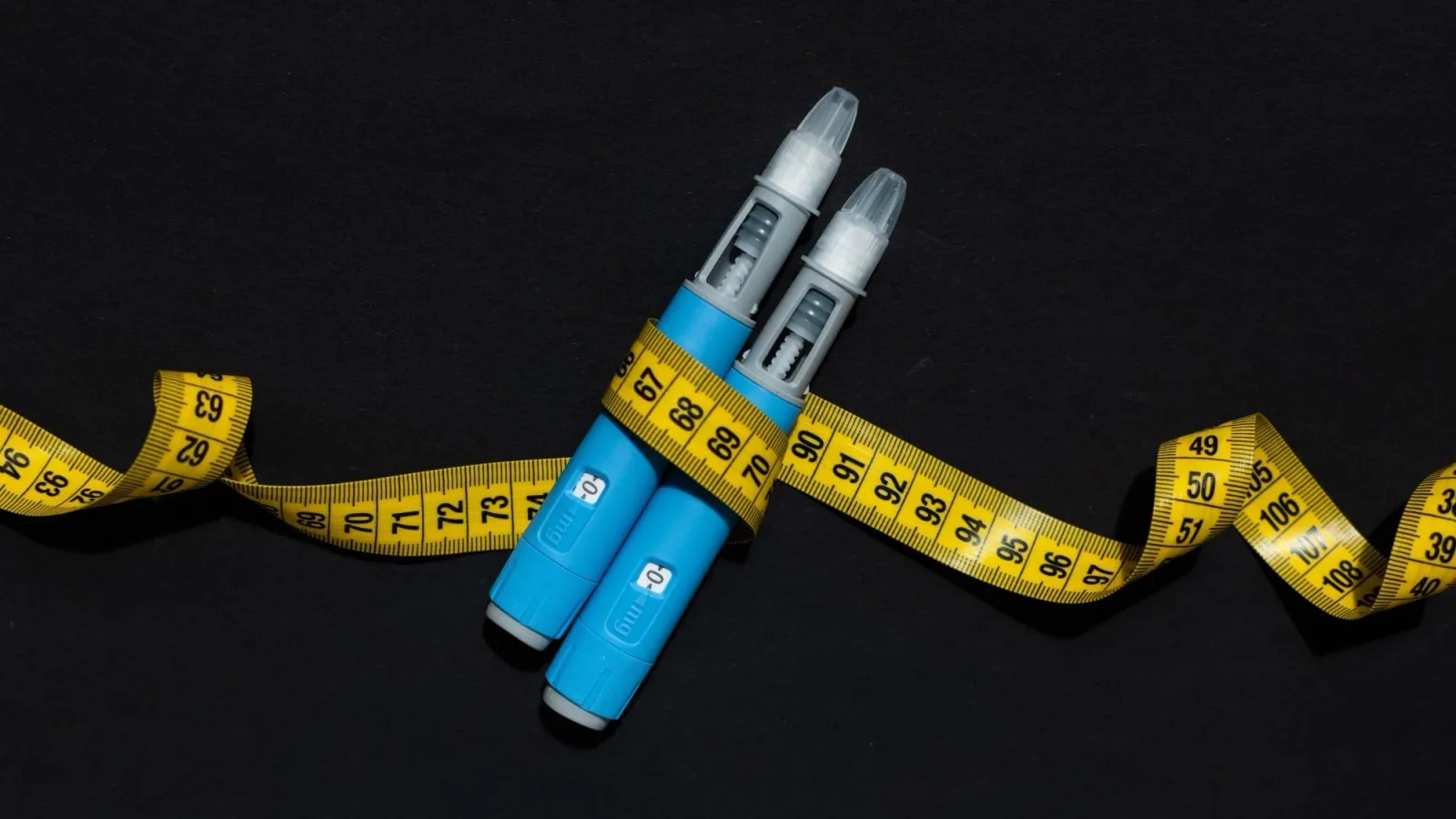
CT-388 is a once-weekly subcutaneous injection designed for obesity management. Like Zepbound, it mimics two key incretin hormones: GLP-1 (glucagon-like peptide-1) and GIP (glucose-dependent insulinotropic polypeptide). GLP-1 slows gastric emptying, signals fullness to the brain, and reduces liver glucose output. GIP enhances insulin secretion and may promote fat metabolism while minimizing muscle loss—a common concern with GLP-1 monotherapy.
Dual agonists like CT-388 and Zepbound outperform single GLP-1 drugs (e.g., semaglutide in Wegovy) by targeting complementary pathways. This synergy amplifies satiety and energy expenditure, leading to greater weight reduction. Roche touts CT-388's "best-in-class potential," but real-world differentiation will hinge on dosing convenience, side effects, and long-term data.
Development Timeline
Roche plans Phase 3 trials by March 2025, positioning CT-388 for potential approval in 2027-2028. This lags behind approved rivals but aligns with the rapid evolution of incretin therapies.
Phase 2 Trial Results: Impressive Weight Loss Data
The randomized, placebo-controlled trial enrolled 469 adults with obesity and at least one weight-related complication (e.g., prediabetes, hypertension), excluding those with diabetes. Participants received multiple CT-388 doses or placebo weekly for 48 weeks.
- Highest dose (24 mg): 22.5 percentage points more body weight loss vs. placebo (intention-to-treat excluding dropouts). Including discontinuations, it was 18.3 percentage points—still robust.
- 48% of high-dose recipients lost >20% body weight, a threshold linked to cardiometabolic benefits.
To contextualize: A 100 kg (220 lb) person losing 23% more than placebo might shed 25-30 kg total. This mirrors Zepbound's SURMOUNT-1 trial (up to 20.9% loss at 72 weeks) and exceeds Wegovy's STEP trials (15-17% at 68 weeks). However, analyst Michael Leuchten from Jefferies notes the efficacy gap between analyses flags potential adherence issues, warranting fuller data at upcoming congresses.
"The gap suggests treatment adherence questions with some doses," Leuchten wrote, highlighting real-world retention challenges common in GLP-1s.
CT-388 vs. Zepbound, Wegovy, and Other GLP-1s
Direct Comparison Table
| Drug | Mechanism | Peak Weight Loss (Trials) | Dose/Form | Approval Status |
|---|---|---|---|---|
| CT-388 (Roche) | GLP-1/GIP | ~23% > placebo (48w Phase 2) | Up to 24 mg weekly injection | Phase 3 (2025) |
| Zepbound (Lilly) | GLP-1/GIP | 20.9% (72w Phase 3) | 15 mg weekly injection | Approved for obesity |
| Wegovy (Novo) | GLP-1 | 15-17% (68w Phase 3) | 2.4 mg weekly injection | Approved for obesity |
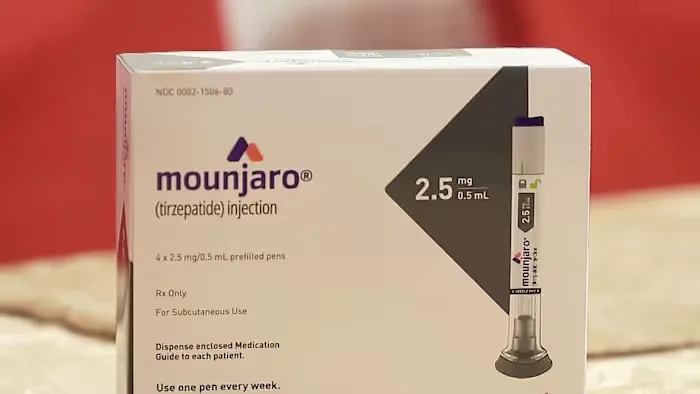
| Mounjaro (Lilly) | GLP-1/GIP | ~22.5% (diabetes trials) | 15 mg weekly injection | Approved for diabetes |
CT-388 matches Zepbound/Mounjaro's profile but trails in timeline. Upcoming orals like Novo's amycretin and Lilly's orforglipron could erode injectables' share, as early amycretin data shows 13% loss in 12 weeks.
Safety Profile and Side Effects Management
CT-388 was "well tolerated," with GI issues (nausea, diarrhea, vomiting) mild-moderate and class-typical. Discontinuation due to AEs: 6% (vs. 1% placebo)—better than some early GLP-1s but higher than placebo.