
Introduction to the GLP-1 Revolution and Its Limitations
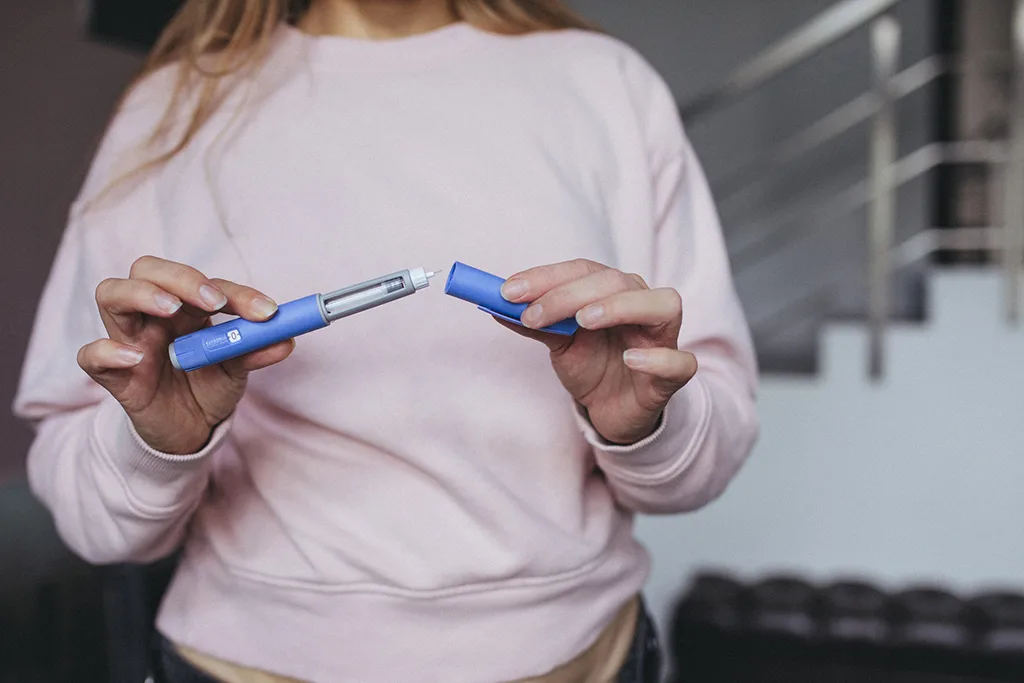
GLP-1 receptor agonists such as semaglutide (Ozempic, Wegovy) and tirzepatide (Mounjaro, Zepbound) have transformed metabolic health. These injectable medications mimic glucagon-like peptide-1 (GLP-1), an incretin hormone that enhances insulin secretion, slows gastric emptying, and promotes satiety, leading to 15-20% body weight loss in clinical trials like STEP and SURMOUNT. Yet, real-world adherence is poor: studies report 40-50% discontinuation within one year due to gastrointestinal side effects (nausea, vomiting), high costs ($1,000+/month), and insurance gaps.
This 'stop-start' cycle erodes benefits, including cardiovascular risk reduction seen in SELECT and LEADER trials. Patients regain weight, and hard-won metabolic improvements fade. Fractyl Health's Rejuva seeks to solve this with a single gene therapy dose, potentially delivering sustained GLP-1 production without weekly needles.
What Are GLP-1 Drugs and Why Do Patients Stop Them?
GLP-1 is naturally secreted by intestinal L-cells in response to meals, regulating blood glucose and appetite. Synthetic agonists provide supraphysiological levels via subcutaneous injection, peaking sharply before declining. This efficacy comes at a cost:
- Gastrointestinal intolerance: Up to 40% experience nausea; dose titration helps but doesn't eliminate it.
- Cost barriers: List prices exceed $13,000/year; even with coverage, copays burden patients.
- Adherence challenges: A 2023 JAMA study found only 24% of U.S. patients continued semaglutide after one year.
Discontinuation reverses gains: post-trial follow-up in STEP showed 2/3 weight regain within a year. Cardiologist Harith Rajagopalan, Fractyl's CEO, calls this a 'resource waste,' shortchanging patients on sustained heart and metabolic protection.
Rejuva: How This Gene Therapy Works
Rejuva is an investigational therapy delivered via endoscopic ultrasound-guided catheter to the pancreas. It uses an adeno-associated virus (AAV) vector—a harmless, non-integrating carrier—to transduce beta cells (insulin producers). These modified cells express a GLP-1 transgene, enabling local, continuous hormone production.
Unlike systemic injections causing blood GLP-1 spikes, Rejuva aims for physiological paracrine/autocrine signaling. Fractyl posits this reduces GI side effects by avoiding gut receptor overload. The procedure is outpatient, akin to endoscopic pancreatic biopsies, minimizing invasiveness.
"Our goal is steady, endogenous GLP-1 that mimics nature, not pharmacology," notes Fractyl's filings.
Comparison to Standard GLP-1 Agonists
| Feature | GLP-1 Drugs (e.g., Wegovy) | Rejuva Gene Therapy |
|---|---|---|
| Dosing | Weekly SC injection | Single endoscopic procedure |
| Duration | Lifelong, adherence-dependent | Potentially years (AAV expression: 5-15+ years) |
| Mechanism | Systemic spikes | Local pancreatic production |
| Side Effects | GI dominant (20-50%) | Theoretical: milder; unproven |
Promising Animal Data: Weight Loss Without Hypoglycemia
In peer-reviewed studies (e.g., Nature Metabolism, 2023), obese high-fat-diet mice lost 25-29% body weight in 35 days post-single dose—rivalling semaglutide's rodent effects. Lean mice saw modest 6% loss over 21 days, with no hypoglycemia, suggesting 'self-limiting' action tied to metabolic need.
Additional endpoints: improved insulin sensitivity, reduced liver fat, preserved lean mass. These align with GLP-1 benefits in humans but highlight translation risks—mouse metabolism differs, and obesity models don't capture comorbidities like Type 2 diabetes.