Novo's Transformation Through Wegovy
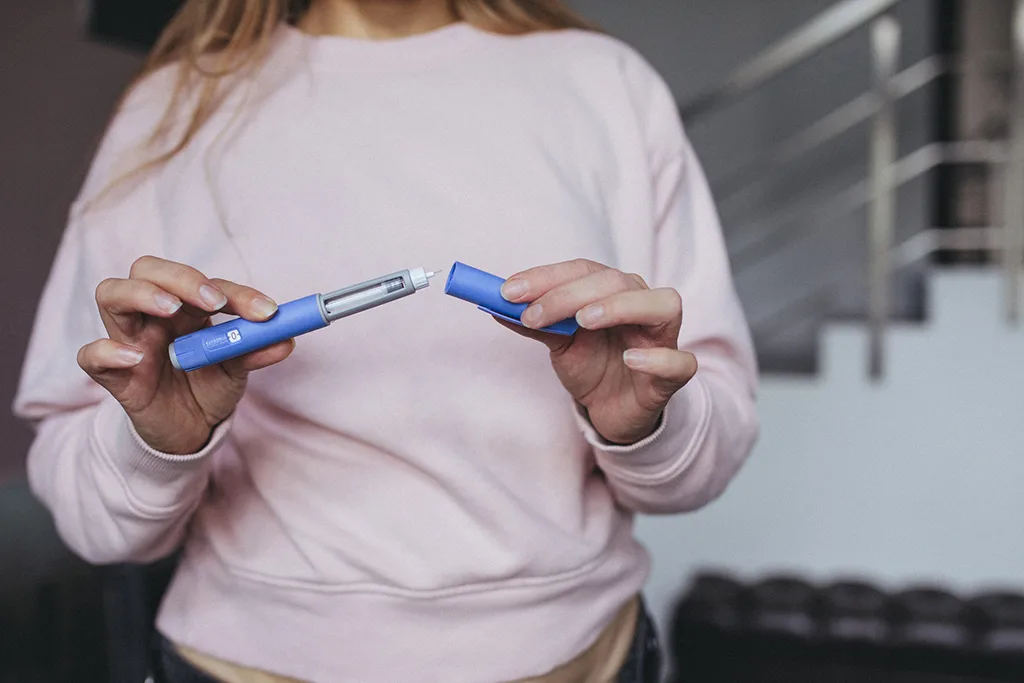
For much of its existence, Novo Nordisk (using a placeholder ISIN for demonstration) was recognized as a leader in diabetes treatments, thanks to its extended-release insulins and GLP-1 medications such as Ozempic. Currently, the primary driver of the firm's expansion in the United States is Wegovy, its weekly GLP-1 injectable authorized for ongoing weight control. Wegovy stands out as the key product in our examination.
Wegovy goes beyond being merely another weight loss medication. It addresses a widespread, inadequately managed health issue—obesity—with remarkable effectiveness. Clinical studies showed that participants using Wegovy alongside lifestyle adjustments shed approximately 15% of their body mass on average, far surpassing previous prescription alternatives. This strong performance, combined with the ongoing obesity epidemic in America, has elevated Wegovy to a cultural icon and a revenue powerhouse.
Factors Amplifying Wegovy's Visibility in the US
Several interconnected elements are spotlighting Wegovy in the American market:
- The drug offers substantial, lasting weight reduction for individuals who haven't succeeded with diet and exercise alone, addressing a significant gap in consumer and medical needs.
- It also tackles economic challenges for the healthcare sector by potentially lowering future health complications.
Wegovy appeals to a population previously caught between ineffective lifestyle modifications that seldom yield lasting double-digit weight loss and bariatric procedures, which, despite success, involve risks, downtime, and eligibility restrictions.
Wegovy's Core Benefits
The advantages of Wegovy extend beyond appearance—focusing on improved movement, personal care, and preventing or postponing conditions like diabetes, cardiovascular issues, and sleep apnea. This blend delivers strong value from health and commercial angles.
As of the assumed date [CURRENT_DATE], we can provide an estimated overview of Novo Nordisk's share potential in the market amid the Wegovy discussion. These figures are hypothetical but based on patterns for a thriving pharmaceutical firm launching a major product.
Let's suppose Novo Nordisk's American depositary receipts (ADRs) are valued at about $125 per share by [CURRENT_DATE]. In the previous five trading sessions, the stock has experienced:
- Fluctuations when updates on GLP-1 developments arise.
Considering this five-day trend and the overall rise in GLP-1 interest, market outlook appears optimistic, yet with a warning about valuation concerns. Stakeholders understand that a large share of Novo Nordisk's valuation depends on Wegovy (and similar GLP-1s) maintaining dominance in obesity therapy, with pricing and insurance support remaining stable.
Indicators of tougher insurance resistance or emerging competitors challenging price and performance can prompt significant price drops.
Throughout the past year, imagine Novo Nordisk ADRs fluctuating from $85 to $135. A price of $125 today would position the stock:
- Above its low but below its peak, typical for a share boosted by a central theme yet affected by sustainability talks.
This placement resembles shares that have surged due to one major narrative but face occasional setbacks from production, competition, or regulatory worries.
Suppose one year prior, Novo Nordisk ADRs were near $95. At the current hypothetical $125, the annual gain calculates as:
Return = (125 - 95) / 95 × 100% ≈ 31.6%
A nearly 32% increase over 12 months, outperforming many large pharmaceutical companies, highlights how Wegovy and the GLP-1 trend have altered investor views on the firm's future.
In the recent month (hypothetical), prominent financial institutions have revised their opinions on Novo Nordisk, linking to the Wegovy story. Though individual forecasts differ, a combined analysis from banks like Goldman Sachs, Morgan Stanley, and JPMorgan might resemble:
- A general recommendation to buy or overweight, with targets slightly higher than current levels, projecting ongoing revenue growth from Wegovy.
Common Motifs in Analyst Reports
Recurring ideas in these assessments include:
Precision tracking for your journey
Join thousands using Shotlee to accurately track GLP-1 medications and side effects.
📱 Get the Shotlee App
Track your GLP-1 medications, peptides, and health metrics on the go with our mobile app!
- Emphasis on Wegovy's market leadership and production challenges.
- Concerns about rivalry and policy effects.
In the week up to [CURRENT_DATE], plausible events could influence Novo Nordisk and Wegovy coverage:
- The company might have disclosed advancements in manufacturing for its GLP-1 line, including Wegovy. This is vital as US interest has exceeded availability, frustrating providers and users while limiting earnings.
Immediate market response: Favorable, viewing these as concrete measures to meet demand and boost Wegovy's sales.
Conferences could have presented new evidence from everyday use, indicating Wegovy reduces heart risk factors in overweight individuals beyond trial data.
Importance: If insurers classify Wegovy as a heart-related treatment instead of solely weight-focused, they may sustain higher payments. It could also lead to wider medical support.
Recently, insurers might have revised obesity medication policies, such as:
- Expanding coverage or adjusting criteria.
Investors view these as signals of future trends. Small gains in Wegovy access can lift shares by anticipating more patients.
Other pharmaceutical firms are progressing in obesity and diabetes, with possible oral GLP-1s. A competitor may have shared encouraging Phase 2 or 3 results reducing the difference with Wegovy.
For Novo Nordisk, this news cuts both ways:
- It highlights competitive pressure but also validates the market potential.
A CEO or CFO might have offered insights at a conference, such as:
- Updates on expectations and challenges.
Markets often respond positively to assurances of goals while minimizing issues like shortages and threats.
Wegovy's Broader Influence on Novo Nordisk
Wegovy does more than introduce a new offering; it redefines Novo Nordisk's economic profile:
For shareholders, the main query is if current pricing accounts for this extended chance—or overestimates short-term achievements.
From an investment angle, Wegovy positions Novo Nordisk as a mix of traditional pharma and innovative growth player. Comparisons to smartphone pioneers or cloud giants are imperfect yet helpful: one product line reorganizing an industry.
Points to Consider for Investors
Important factors for prospective or existing holders:
- If the hypothetical 12-month return of around 32% holds, much potential is priced in. Optimists see long-term obesity care shifts; pessimists worry about pricing, rivalry, and safety eroding profits.
Wegovy has evolved Novo Nordisk from a solid diabetes business to a symbol of revolutionary obesity therapy. For users, it provides a scientifically backed choice for significant weight reduction. For investors, it's the force behind a top healthcare growth narrative—yet with notable focus and regulatory hazards.
As ever, choices on Novo Nordisk shares should fit personal risk levels, timelines, and holdings. Wegovy grabs attention, but the true narrative lies in Novo Nordisk's ability to build a lasting, varied cardiometabolic platform. Health tracking apps like Shotlee can help monitor progress during weight management.