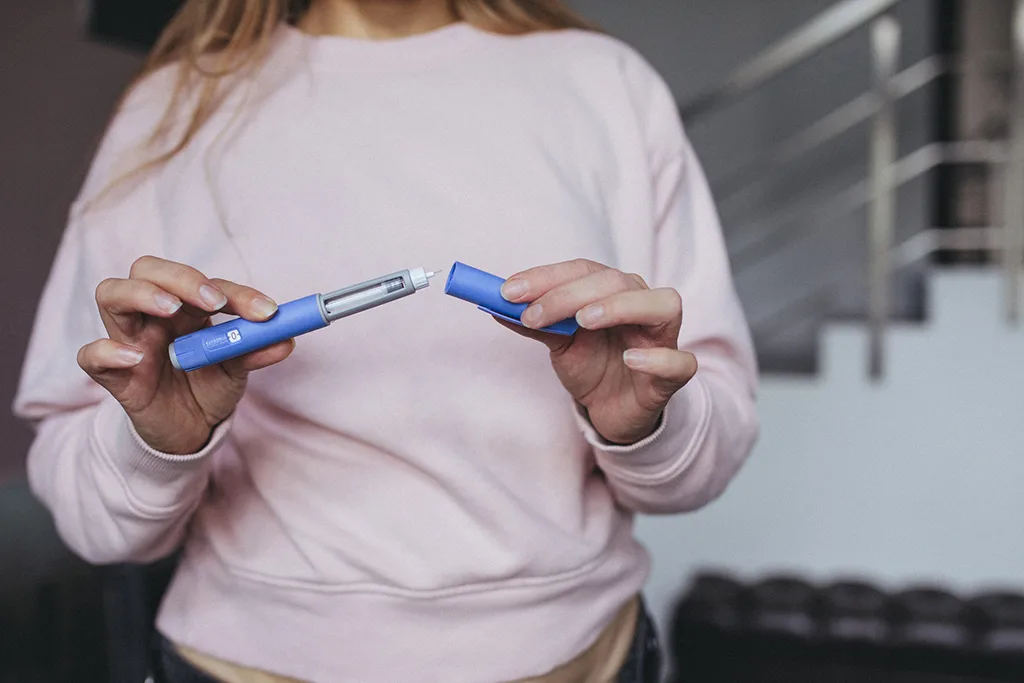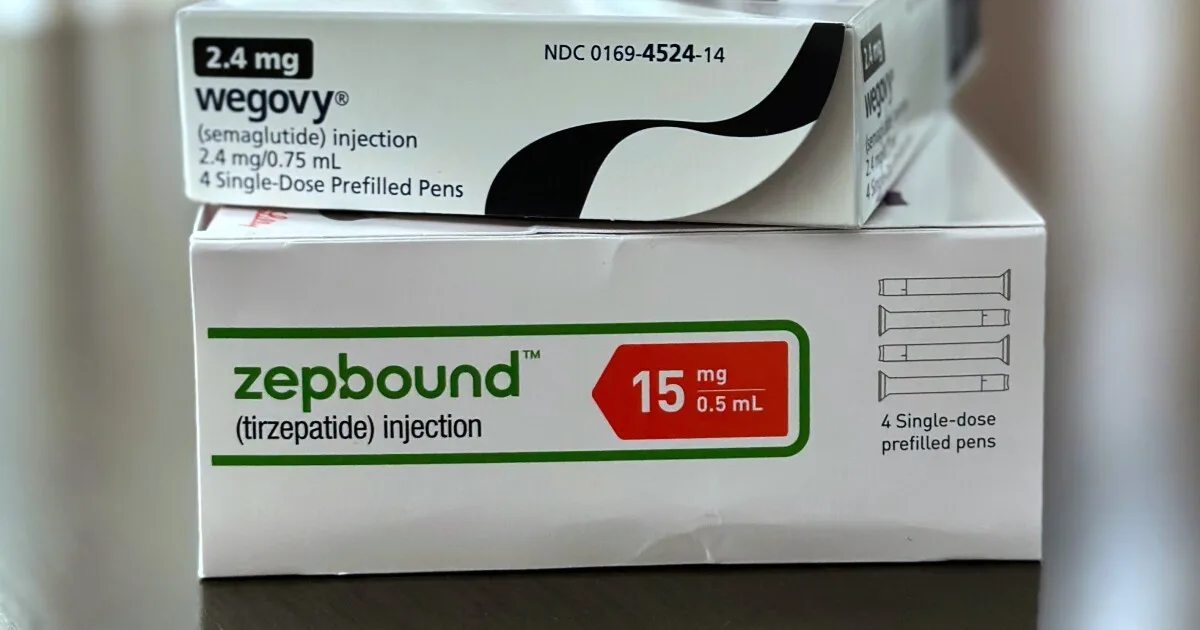

Quitting GLP-1 drugs like Ozempic or Zepbound after starting treatment is common, even though these medications for diabetes and obesity are designed for lifelong use to manage chronic conditions. A research letter published in JAMA highlights stark adherence issues: "We found that fewer than one in four patients remained on a GLP-1 medication after a year," says Dr. Jaime Almandoz, an obesity medicine specialist at the University of Texas Southwestern Medical Center. This low persistence rate underscores a growing challenge in GLP-1 therapy, where high dropout rates coexist with intentions to cycle back on.
The Reality of GLP-1 Adherence: What the Data Shows
GLP-1 receptor agonists, such as semaglutide (Ozempic, Wegovy) and tirzepatide (Zepbound, Mounjaro), mimic the glucagon-like peptide-1 hormone to regulate blood sugar, slow gastric emptying, and reduce appetite. These mechanisms promote significant weight loss and metabolic improvements, but their chronic nature means they're not quick fixes. Dr. Almandoz's analysis of insurance claims data reveals that a high percentage of starters quit, often framing obesity treatment as a "limited duration intervention" once weight goals are met.
"Many times obesity treatment is framed as a limited duration intervention that once people get to a weight goal or percentage of weight reduction, that then treatment can be discontinued," Almandoz says. He argues this is outdated thinking, as stopping can lead to rebound effects. Common reasons for discontinuation include cost, loss of insurance coverage, and side effects like nausea or gastrointestinal issues.
Plans to Restart: Consumer Insights
Separate survey data from market-research firm Kantar paints an even more nuanced picture. Leigh O'Donnell, who analyzes shopper behavior, notes: "Seventy-four percent of lapsers say that they are likely or very likely to come back onto a GLP-1." This intention to restart is fueled by shifting consumer behavior—more GLP-1 options in pill form, lower prices, and availability from online sellers bypassing doctors or insurance.
"The barriers to use and reuse are getting so low that it's a little hard to project," O'Donnell says. However, research lags behind this trend, with limited studies on periodic use. Existing evidence shows weight regain after stopping GLP-1s occurs faster than with behavioral diets focused on lifestyle changes.
Why Cycling GLP-1s Is Not Recommended
Experts strongly advise against on-again-off-again use of GLP-1 medications. While consumer behavior outpaces research, cultural factors like celebrity endorsements normalize "cycling" as a diet aid. Social media ads from sellers like Willow target even slim individuals, featuring fit women asking, "I'm only looking to lose a couple of pounds, maybe use it temporarily." A doctor in one ad assures brief use is fine. Willow did not respond to requests for comment and previously declined to modify claims at the Better Business Bureau's request.
The pharmaceutical industry, via PhRMA, pushes for Medicare expansions and oversight of compounding pharmacies selling GLP-1s directly to consumers. Temporary use raises health concerns, particularly around body composition.
Precision tracking for your journey
Join thousands using Shotlee to accurately track GLP-1 medications and side effects.
📱 Get the Shotlee App
Track your GLP-1 medications, peptides, and health metrics on the go with our mobile app!
Muscle Loss: A Hidden Risk of Starting and Stopping
One major issue with quitting and restarting GLP-1s is accelerated lean muscle loss. "As much as 40% of all weight lost on GLP-1s is lean muscle," says Mahmoud Salama Ahmed, a medical chemist at Texas Tech University. This exceeds typical diet-related muscle loss and contributes to "Ozempic face"—a sagging, bonier appearance from facial muscle reduction.
Upon stopping, fat rebounds rapidly, but muscle recovery is uncertain without targeted rebuilding efforts like resistance training and protein-rich diets. Ahmed warns this could lead to sarcopenia, impairing balance, movement, metabolism, and bone health. "We might find some real problems if we are not monitoring the body composition, especially for the older patients," he says.
Counterpoints: Muscle Quality Improvements
Not all views are dire. Cardiologist Ian Neeland at Case Western Reserve University notes GLP-1s may enhance muscle quality despite quantity loss. Examined closely, muscles on GLP-1s show less fat infiltration and stronger fibers. "The key point is not just how much muscle, but how healthy and functional the muscle is," Neeland says, emphasizing strength gains during weight loss.
Both Neeland and Ahmed call for more research on short-term GLP-1 use effects.
Practical Guidance for GLP-1 Patients
If you're considering starting, quitting, or restarting a GLP-1 like Ozempic, consult your doctor. Discuss adherence strategies, such as managing side effects with dose titration or anti-nausea meds. Tools like symptom-tracking apps (e.g., Shotlee for logging side effects and schedules) can support consistency.
- Who should consider long-term use? Those with obesity, type 2 diabetes, or cardiovascular risks benefiting from sustained metabolic control.
- Alternatives if quitting: Behavioral therapies, other pharmacotherapies like SGLT2 inhibitors, or bariatric options—though none match GLP-1 efficacy for many.
- Mitigating muscle loss: Pair GLP-1s with exercise (strength training 2-3x/week), adequate protein (1.2-2g/kg body weight), and body composition monitoring via DEXA scans.
Safety profiles include GI issues (most common), pancreatitis risk, and thyroid concerns—monitor closely during any restart.
Key Takeaways: What This Means for Patients
- Fewer than 25% of GLP-1 starters persist after one year, per JAMA data.
- 74% of quitters plan to restart amid easier access.
- Cycling risks rapid fat regain and up to 40% lean mass loss per cycle, potentially leading to sarcopenia.
- GLP-1s may improve muscle quality, but long-term adherence is ideal.
- Work with providers for personalized plans; avoid unmonitored online purchases.
Conclusion: Prioritizing Sustainable GLP-1 Therapy
While quitting GLP-1 drugs and planning to restart is widespread, evidence supports continuous use for optimal outcomes in obesity and metabolic health. Address barriers like cost and side effects proactively, and rebuild muscle intentionally to safeguard long-term wellness. Stay informed as research evolves on cycling impacts—your doctor is your best guide.