
Python Blood Compound pTOS Could Lead to New Weight Loss Therapies
A groundbreaking study from the University of Colorado Boulder reveals a python blood compound, para-tyramine-O-sulfate (pTOS), that could pave the way for innovative weight loss therapies. This appetite-suppressing metabolite helps pythons handle massive meals and extended fasts while staying metabolically healthy, offering insights beyond current options like GLP-1 drugs.
The Discovery of Python Blood Compound pTOS
University of Colorado Boulder researchers, in collaboration with scientists at Stanford and Baylor universities, have discovered an appetite-suppressing compound in python blood. Published in the journal Nature Metabolism on March 19, 2026 (DOI: 10.1038/s42255-026-01485-0), the study highlights how this compound enables pythons to consume enormous meals and go months without eating yet remain metabolically healthy.
"This is a perfect example of nature-inspired biology," said senior author Leslie Leinwand, a distinguished professor of Molecular, Cellular and Developmental Biology who has been studying pythons in her lab for two decades. "You look at extraordinary animals that can do things that you and I and other mammals can't do, and you try to harness that for therapeutic interventions."
The research team measured blood samples from ball pythons and Burmese pythons, fed once every 28 days, immediately after they ate a meal. They found 208 metabolites that increased significantly post-meal, with pTOS soaring 1,000-fold. Further studies with Baylor University researchers showed that high doses of pTOS given to obese or lean mice acted on the hypothalamus—the brain's appetite center—prompting weight loss without gastrointestinal problems, muscle loss, or declines in energy.
Python's Metabolic Superpowers
Pythons can grow as big as a telephone pole, swallow an antelope whole, and go months or even years without eating—all while maintaining a healthy heart and plenty of muscle mass. In the hours after they eat, Leinwand's research has shown, their heart expands 25% and their metabolism speeds up 4,000-fold to help them digest their meal.
To understand these superpowers, Leinwand teamed up with Jonathan Long, an associate professor of pathology at Stanford University, who studies metabolic byproducts in the blood, or metabolites, to learn how mammals take in and expend energy. Long's lab recently examined racehorse blood for insights into endurance sprints.
"If we truly want to understand metabolism, we need to go beyond looking at mice and people and look at the greatest metabolic extremes nature has to offer," said Long.
pTOS is produced by the snake's gut bacteria and is not present in mice naturally. It appears in human urine at low levels and increases somewhat after a meal, but has been overlooked because most research focuses on rodents.
How pTOS Works as an Appetite Suppressant
The hypothalamus plays a crucial role in regulating hunger and satiety signals. When pTOS reaches this brain region, it triggers responses that reduce food intake, mimicking natural post-meal fullness without disrupting gut motility or energy levels. This mechanism contrasts with many current therapies, as it targets gut-brain signaling directly from microbial sources.
In mice, pTOS administration led to sustained weight reduction in both obese and lean models. Notably, other metabolites identified in the study soared by 500 to 800%, suggesting a broader suite of python-derived compounds worth exploring for metabolic health.
Precision tracking for your journey
Join thousands using Shotlee to accurately track GLP-1 medications and side effects.
📱 Get the Shotlee App
Track your GLP-1 medications, peptides, and health metrics on the go with our mobile app!
Comparison to Existing Weight Loss Drugs Like GLP-1 Agonists
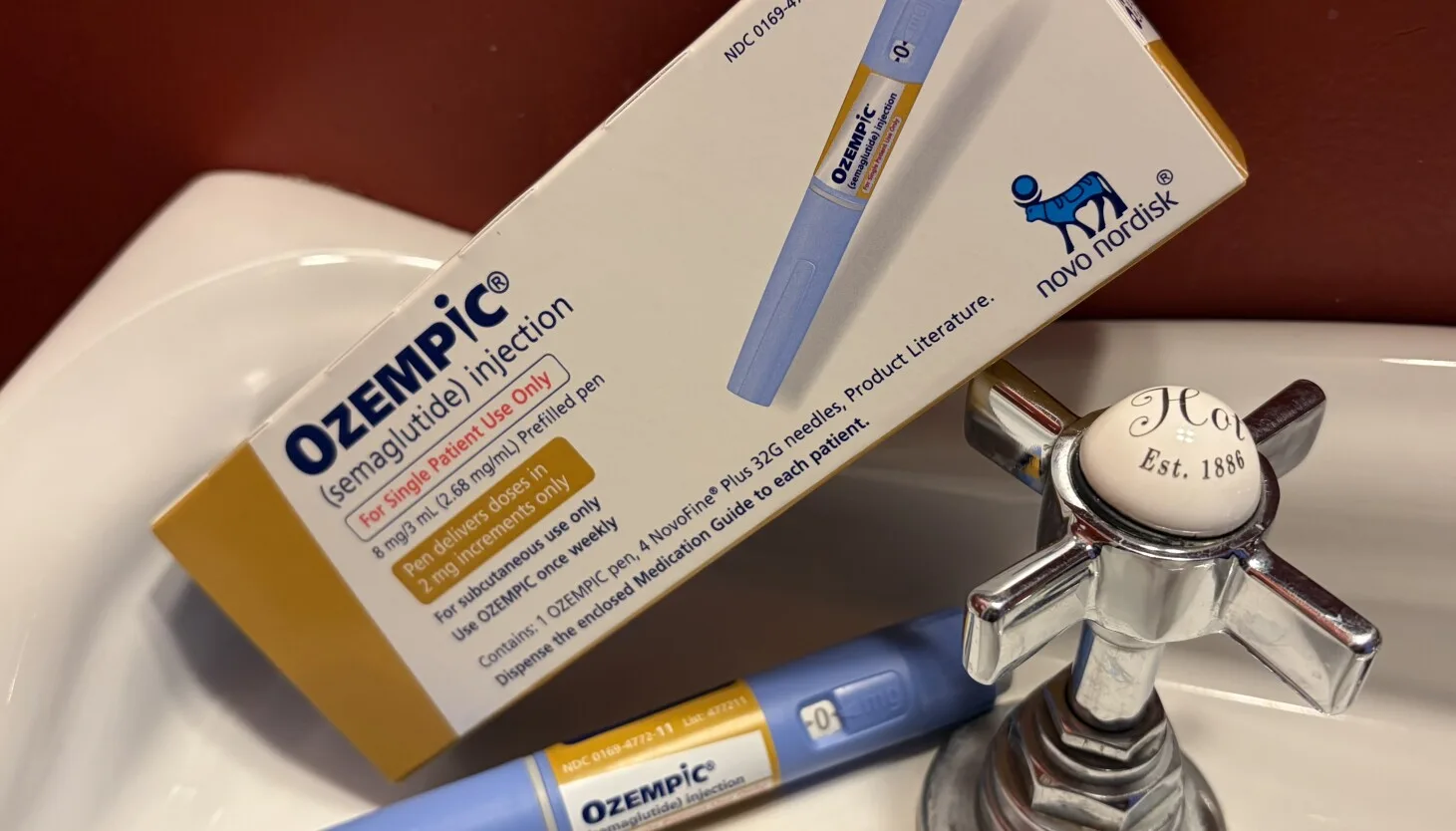
"We've basically discovered an appetite suppressant that works in mice without some of the side-effects that GLP-1 drugs have," said Leinwand, referring to drugs like Ozempic and Wegovy, which act on the hormone glucagon-like peptide-1 (GLP-1).
GLP-1 drugs, inspired by the Gila monster's venom which contains a GLP-1-like hormone, are used by millions for weight loss and diabetes management. However, studies show as many as half of users stop within a year, often due to nausea, muscle loss, or other issues. Leinwand noted, "We believe there is still room for therapeutic growth in this market."
pTOS offers potential advantages: no nausea, preserved muscle mass, and stable energy. While GLP-1s excel at slowing gastric emptying and boosting insulin, python metabolites like pTOS emphasize clean satiety signaling, potentially complementing or improving upon them.
| Aspect | GLP-1 Drugs (e.g., Ozempic) | pTOS (Python Compound) |
|---|---|---|
| Appetite Suppression | Strong via gut hormone mimicry | Strong via hypothalamus targeting |
| Side Effects in Studies | Nausea, muscle loss possible | None observed in mice (GI, muscle, energy) |
| Source | Gila monster-inspired | Python gut bacteria |
From Pythons to Therapies: Arkana Therapeutics
Leinwand, Long, and CU Boulder colleagues have formed Arkana Therapeutics to commercialize python-derived insights. They envision chemically synthesized analogs of rare metabolites like pTOS as future therapies.
Weight loss is a primary target, but age-related muscle loss (sarcopenia), which affects nearly everyone and hits harder those unable to exercise, is another. Pythons maintain muscle during fasts, offering clues. No therapies currently halt or reverse sarcopenia.
"We're not stopping with just this one metabolite," said Leinwand. "There's a lot more to be learned." Future research will test pTOS in humans and catalog other postprandial metabolites.
What This Means for Patients and Metabolic Health
For those struggling with obesity or metabolic syndrome, python research signals hope for tolerable, effective treatments. Unlike GLP-1s, which require injections and monitoring for side effects like gastrointestinal distress, pTOS-inspired drugs could offer oral options with fewer drawbacks.
Patients on current therapies might track symptoms using apps like Shotlee to log appetite changes, energy levels, and muscle maintenance, providing data for doctors to optimize regimens.
Discuss with your healthcare provider if nature-inspired options align with your needs, especially if side effects limit GLP-1 use. While early-stage, this work underscores bio-prospecting's role in peptide therapy and metabolic health.
Key Takeaways
- Python blood compound pTOS surges 1,000-fold post-meal, suppressing appetite via the hypothalamus.
- In mice, pTOS induces weight loss without GI issues, muscle loss, or energy drops—advantages over GLP-1 drugs like Ozempic.
- 208 metabolites rose in pythons; many hold untapped potential.
- Arkana Therapeutics aims to develop python-inspired therapies for weight loss and sarcopenia.
- Study: Xiao, S., et al. (2026). Nature Metabolism.
Conclusion
The python blood compound pTOS exemplifies how studying extreme metabolisms can yield breakthroughs in weight loss therapies. By preserving core benefits without common pitfalls, it could expand options in peptide therapy and metabolic health. Stay informed as human trials progress—nature's lessons may soon enhance patient outcomes.