
Shotlee LogoShotlee
Blog
Download on theApp Store
Get it onGoogle Play
Skip to main content
Pfizer Clinches $10B Acquisition of Obesity Drug Firm Metsera After Bidding War - Featured image
Business

Pfizer Clinches $10B Acquisition of Obesity Drug Firm Metsera After Bidding War

Dr. Adrian Vale, MD
Reviewed by Dr. Adrian Vale, MDInternal Medicine · Board-Certified Obesity Medicine
·3 min read

On this page

  • Pfizer to Acquire Metsera for $10 Billion
  • Novo Nordisk Withdraws Offer
  • Antitrust Concerns
  • Financial Analysis

Track Smart

Calculate active GLP-1 levels automatically with Shotlee.

Download →

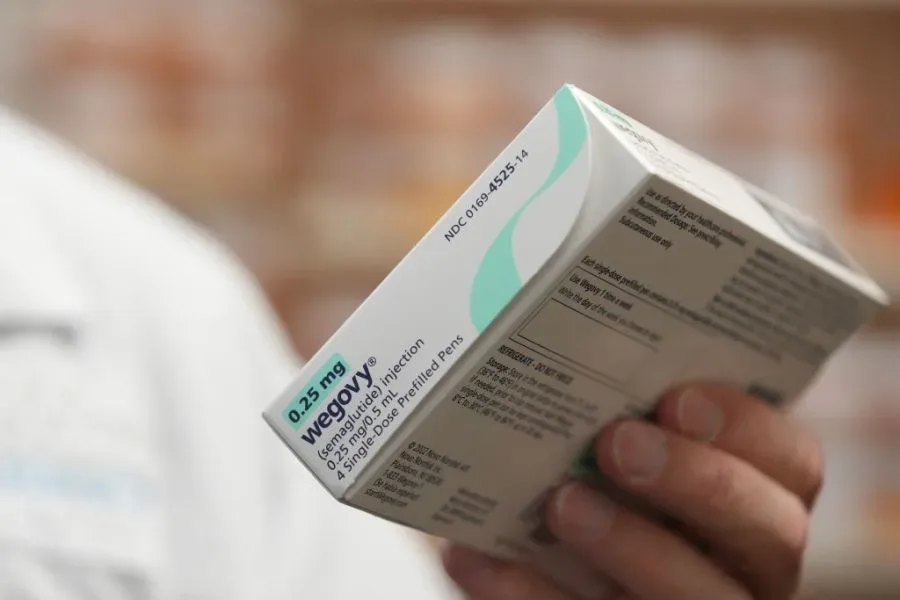
Pfizer has successfully acquired Metsera, a company specializing in obesity drug development, for $10 billion, prevailing over Novo Nordisk in a competitive bidding process. This acquisition marks Pfizer's entry into the expanding obesity drug market. Metsera's treatments are still several years from regulatory approval.

Share

On this page

  • Pfizer to Acquire Metsera for $10 Billion
  • Novo Nordisk Withdraws Offer
  • Antitrust Concerns
  • Financial Analysis

Pfizer to Acquire Metsera for $10 Billion

Pfizer has emerged as the victor in a $10 billion agreement to acquire Metsera, a rapidly growing obesity drug developer. This acquisition concludes a heated bidding war with Novo Nordisk, a Danish competitor.

Metsera accepted an enhanced offer from Pfizer on Friday. According to Reuters, the decision was influenced by concerns regarding U.S. antitrust risks associated with Novo's bid, which Metsera had initially deemed superior. Novo Nordisk announced its withdrawal from the competition on Saturday.

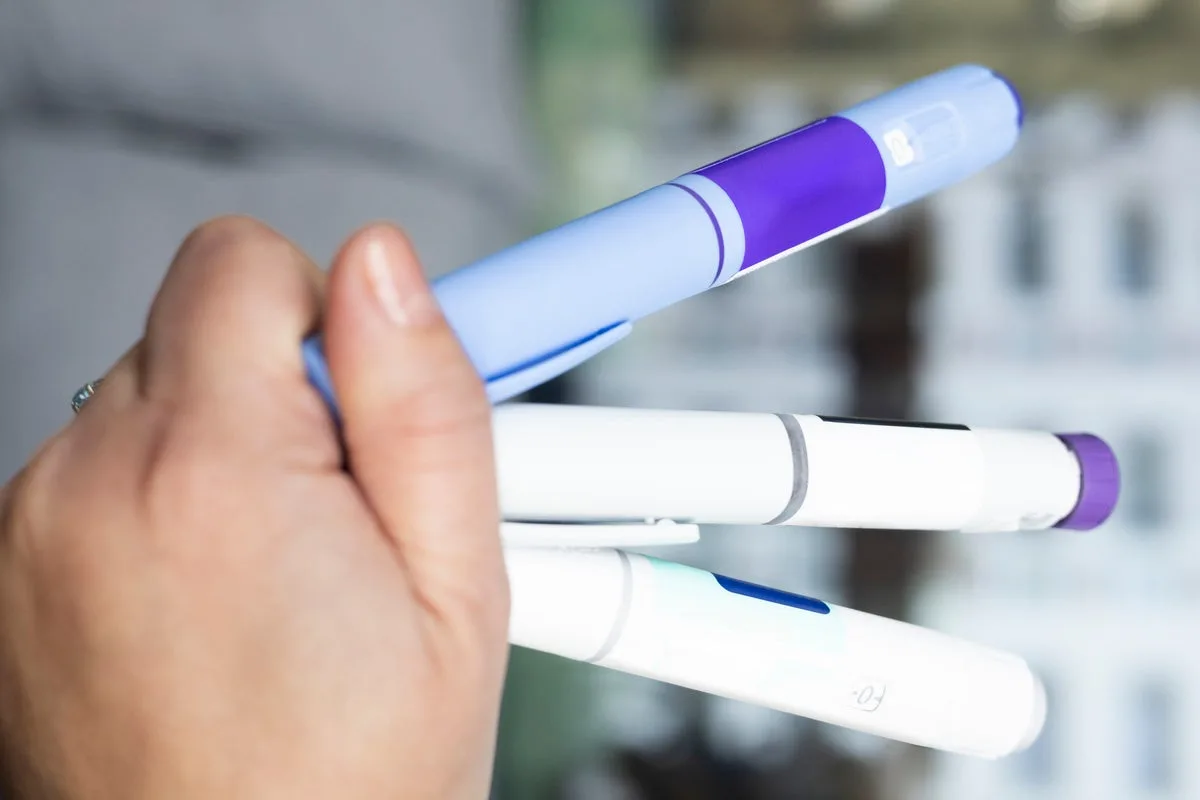
This win provides Pfizer with a foothold in the lucrative obesity drug market, even though Metsera's treatments are still years away from receiving regulatory approval. The loss represents a setback for Novo as it seeks to regain market share from U.S. rival Eli Lilly. Health tracking apps like Shotlee can help monitor progress when using such medications.

Novo Nordisk Withdraws Offer

In a statement, Novo Nordisk confirmed its decision to abandon the attempted acquisition after multiple offers. The company cited the high price and antitrust exposure as reasons for its withdrawal.

Novo increased its bid for Metsera twice. The initial bid was approximately $10 billion, followed by a revised offer of roughly the same value, featuring a higher cash component and reduced performance bonuses. However, after Metsera raised concerns about U.S. antitrust risks and favored Pfizer's counteroffer, Novo opted to withdraw and refrain from further increasing its offer. This decision was based on financial discipline and the importance of shareholder value.

"We believe the structure of our potential merger agreement is compliant with antitrust laws," Novo said in a statement. "Following a competitive process and after careful consideration, Novo Nordisk will not increase its offer to acquire Metsera, consistent with its commitment to financial discipline and shareholder value."

Precision tracking for your journey

Join thousands using Shotlee to accurately track GLP-1 medications and side effects.

📱 Get the Shotlee App

Track your GLP-1 medications, peptides, and health metrics on the go with our mobile app!

Download on theApp Store
Get it onGoogle Play

Novo stated that it will continue to explore business development and acquisition opportunities that meet its criteria for returns and capital allocation.

Antitrust Concerns

Metsera, in its Friday statement, indicated that Novo's proposal presented "unacceptably high legal and regulatory risks" compared to the proposed merger with Pfizer. The company cited a call from the Federal Trade Commission (FTC) to discuss potential antitrust concerns. Earlier in the week, the regulator sent a letter to Novo and Metsera, cautioning that their proposed deal could violate U.S. antitrust laws.

Pfizer expressed satisfaction with reaching a revised agreement with Metsera and anticipates closing the merger shortly after Metsera's Nov. 13 shareholder meeting, according to Reuters.

Financial Analysis

Bernstein analyst Courtney Breen suggested that the $10 billion price relies on optimistic assumptions regarding Metsera's future performance. She estimated that Pfizer would need to generate approximately $11 billion in revenue from the deal by 2040, which is nearly double Metsera's current projections.

She highlighted growing skepticism surrounding long-term GLP-1 pricing, which could potentially compress margins.

Metsera's board has recommended that shareholders approve the amended Pfizer offer. Currently, the biotech company operates at a loss, and analysts anticipate continued losses as its drugs remain in the development phase.

Source Information

Originally published by Brigitte Gabriel.Read the original article →

Read next

Keep exploring

Same topic: Pharmaceuticals

All Pharmaceuticals articles →
Retatrutide Breaks Records: What Phase 3 TRIUMPH-1 Data Means
Health & Wellness

Retatrutide Breaks Records: What Phase 3 TRIUMPH-1 Data Means

Eli Lilly's Retatrutide has shown remarkable weight loss potential in Phase 3 trials. We break down the TRIUMPH-1 results, safety data, and what patients can expect.

9 min read
Retatrutide's Triumph: Lilly's Triple Agonist Redefines Weight Loss Potential
Medical Innovations

Retatrutide's Triumph: Lilly's Triple Agonist Redefines Weight Loss Potential

Eli Lilly's retatrutide is making waves in the weight loss landscape. This comprehensive look delves into its Phase III results, comparing it to existing treatments and exploring its potential impact on obesity management.

6 min read
Retatrutide: Eli Lilly's New Drug Challenges Ozempic in Weight Loss
Health & Wellness

Retatrutide: Eli Lilly's New Drug Challenges Ozempic in Weight Loss

Eli Lilly's experimental drug Retatrutide is making waves with unprecedented weight loss results in clinical trials, potentially setting a new benchmark in obesity treatment. This comprehensive look examines its efficacy, mechanism, and comparison to existing GLP-1 and GIP agonists.

8 min read

More in Business

The Next Wave of Weight Loss: Understanding Oral GLP-1 Therapy
Weight Management & Therapeutics

The Next Wave of Weight Loss: Understanding Oral GLP-1 Therapy

The landscape of chronic weight management is rapidly evolving beyond injectable GLP-1 medications. New research, including trials for the oral, non-peptide drug orforglipron, suggests a future where highly effective weight loss treatment is as simple as taking a daily pill, potentially overcoming barriers of cost and injection fatigue.

6 min read
Share this article
  1. Home
  2. Blog
  3. Pfizer Clinches $10B Acquisition of Obesity Drug Firm Metsera After Bidding War
Dr. Adrian Vale, MD — Internal Medicine · Board-Certified Obesity Medicine
Medically reviewed

Dr. Adrian Vale, MD

Internal Medicine · Board-Certified Obesity Medicine

Dr. Adrian Vale is a board-certified internal medicine physician with a clinical focus on obesity medicine and metabolic health. He reviews Shotlee guides and articles on GLP-1 medications, peptide therapy, and weight-management protocols for clinical accuracy.

View all articles reviewed by Dr. Adrian Vale, MD
Shotlee LogoShotlee

Your comprehensive health tracking companion. Track, analyze, and optimize your journey with advanced metrics and community support.

Product

  • Medication Trackers
  • Health Guides
  • Calculators
  • Compare Medications
  • Pricing

Resources

  • Health Blog
  • Support Center

Legal

  • Privacy Policy
  • Terms of Service
  • Community Guidelines
  • Refund Policy

© 2026 Shotlee. All rights reserved.

Made with for the community♥ for the community