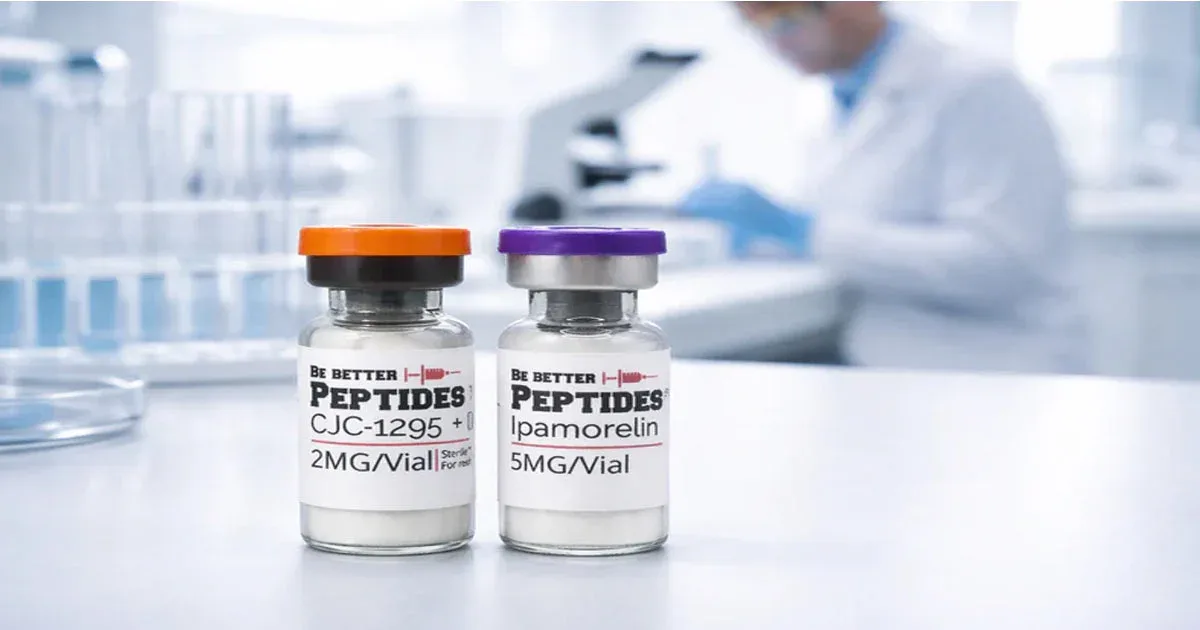

The Allure of Peptides: A Double-Edged Sword in Health and Wellness
In the ever-evolving landscape of health and wellness, peptides have emerged as a significant topic of discussion. Naturally occurring in the body as short chains of amino acids, peptides play crucial roles in everything from metabolism and immunity to tissue structure. Their synthetic counterparts, developed through advanced biotechnology, hold immense therapeutic potential, as evidenced by the transformative role of synthetic insulin in managing diabetes and the widespread success of GLP-1 receptor agonists like semaglutide (found in Ozempic and Wegovy) and tirzepatide (Mounjaro) for type 2 diabetes and weight loss. However, a growing segment of the health and wellness industry is embracing synthetic peptides that lack robust scientific backing and regulatory approval, leading to concerns about safety and efficacy.
This trend is closely intertwined with the 'biohacking' culture, a movement focused on optimizing human performance and well-being through various interventions. While biohacking can encompass low-risk strategies like dietary changes, intermittent fasting, and sleep tracking with wearables, it also extends to higher-risk practices, including the self-administration of injectable peptides. This article explores the burgeoning world of peptide therapy, the risks associated with unregulated compounds, the influence of social media and the 'grey market,' and the potential implications of upcoming regulatory shifts in the United States.
Understanding Peptides: From Essential Body Functions to Therapeutic Innovations
Peptides are fundamental building blocks of life. They are essentially smaller versions of proteins, composed of amino acids linked together. In their natural state, they act as signaling molecules, regulating a vast array of physiological processes. For instance, they are involved in hormone production, immune responses, and cellular repair.
The therapeutic potential of peptides has been recognized for decades. The development of synthetic insulin, a peptide, revolutionized diabetes care. More recently, synthetic peptides that mimic glucagon-like peptide-1 (GLP-1) have transformed the management of type 2 diabetes and obesity. These GLP-1 receptor agonists, such as semaglutide and tirzepatide, work by increasing insulin secretion, reducing glucagon release, slowing gastric emptying, and promoting satiety, leading to significant improvements in blood glucose control and substantial weight loss for many individuals. The success of these evidence-based peptide therapies highlights their power when developed and utilized within a rigorous scientific and regulatory framework.
The Rise of Unregulated Peptides in Wellness
Beyond these clinically validated applications, a multitude of synthetic peptides are being promoted in the health and wellness space for a wide range of purported benefits. These include peptides like GHK-CU, BPC-157, CJC-1295, and SS-31, many of which are administered via injection. They are often marketed for their potential to enhance athletic performance, accelerate recovery from injuries, slow down the aging process, boost productivity, and promote longevity. This surge in popularity is fueled by social media influencers and a broader cultural emphasis on self-optimization.
The term 'peptide' itself can sometimes be misleading, implying a natural and therefore inherently safe substance, contrasting with the more negatively perceived term 'drug.' This linguistic framing, coupled with the growing normalization of self-injection practices, partly influenced by the widespread use of injectable GLP-1 medications, has lowered the psychological barrier for individuals to explore these less-regulated compounds.
Biohacking and the DIY Approach: Experimentation Without Evidence
Biohacking, at its core, is about taking a proactive, often experimental, approach to understanding and improving one's own biology. It spans a wide spectrum, from relatively low-risk lifestyle adjustments to more adventurous interventions. While tracking sleep patterns or experimenting with intermittent fasting are generally considered safe, the self-administration of unapproved injectable peptides represents a significant leap in risk.
Proponents of these biohacking practices often employ a do-it-yourself (DIY) methodology, leveraging technical knowledge and readily available information to experiment with their bodies. The promise of enhanced physical and cognitive function, improved body composition, and extended lifespan drives this experimentation. For instance, BPC-157 is frequently discussed for its potential to aid tissue repair and collagen production, with combinations like BPC-157 and TB-500 (dubbed the 'Wolverine stack') gaining traction among athletes seeking faster recovery and enhanced performance.
Similarly, GHK-Cu, while used in topical cosmetic formulations for its collagen-boosting properties, is also available in injectable forms. The injectable version, however, is not approved by regulatory bodies like the FDA, raising concerns about potential immune reactions and other adverse effects.
The Scientific Void: Limited Evidence and Significant Risks
A critical concern surrounding these unregulated peptides is the stark lack of substantial scientific evidence to support their claimed benefits and, more importantly, their safety. Most of the available research consists of preclinical studies – conducted in vitro (in test tubes) or on animals – with limited or no human clinical trial data. This means that the mechanisms of action are often poorly understood, and the long-term consequences of their use in humans remain largely unknown.
Precision tracking for your journey
Join thousands using Shotlee to accurately track GLP-1 medications and side effects.
📱 Get the Shotlee App
Track your GLP-1 medications, peptides, and health metrics on the go with our mobile app!
The potential risks associated with these unregulated peptides are multifaceted and serious. They can include:
- Immune Reactions: The body may mount an immune response against foreign substances.
- Infections: Improper injection techniques or contaminated products can lead to localized or systemic infections.
- Metabolic Disruptions: Peptides can interfere with natural hormonal balances and metabolic pathways.
- Cardiac Issues: Some compounds have been linked to cardiovascular problems.
- Tumor Promotion: In certain contexts, some substances could potentially stimulate the growth of existing or new tumors.
A notable example is MK-677 (ibutamoren), a non-peptide molecule that stimulates growth hormone production. Marketed for muscle gain and fat reduction, it is banned by the World Anti-Doping Agency and classified as a poison in Australia. Limited clinical trials were terminated due to associations with hypertension and heart failure. Furthermore, the quality control of peptides obtained from unregulated sources is a significant concern. Impurities, incorrect dosing, and the presence of endotoxins can pose severe health hazards.
The lack of robust clinical data leaves healthcare professionals ill-equipped to identify, manage, or treat adverse effects that may arise from the use of these substances.
Navigating the Grey Market: Access and Regulatory Uncertainty
The appeal of unregulated peptides is amplified by their accessibility through what is often termed the 'grey market.' This encompasses a range of channels that operate in a legal and regulatory ambiguity, including e-commerce platforms, certain compounding pharmacies, and wellness clinics. These avenues often bypass the traditional healthcare system, allowing consumers to purchase these substances without prescriptions, medical oversight, or any form of health monitoring.
E-commerce sites, in particular, significantly lower the barriers to access. Products are frequently marketed as 'research-grade' or 'not for human consumption,' a common disclaimer used to circumvent regulations, even though they are widely purchased by individuals for self-administration. The sourcing of many of these unregulated peptides often traces back to manufacturers in China, introducing complexities related to cross-border supply chains and international regulatory enforcement.
Potential Regulatory Shifts and Their Implications
In the United States, the Food and Drug Administration (FDA) previously restricted the use of certain peptides by compounding pharmacies due to safety concerns. However, there is a potential for these restrictions to be reconsidered. In February 2026, a proposal was made to review these restrictions, with the FDA announcing plans to convene an advisory committee in July to assess whether some of these peptides could be produced within the U.S. This review could pave the way for increased public access to peptides with limited scientific evidence of safety and efficacy.
Such a shift could significantly alter the landscape, potentially making it easier for individuals to obtain and use these compounds. If compounding pharmacies begin producing peptides that have not undergone rigorous clinical trials, the risks associated with their use could be amplified. This underscores the critical need for clear communication and robust scientific evidence to guide consumer choices.
| Peptide Example | Purported Benefit | Scientific Evidence Status | Regulatory Status (US) | Associated Risks |
|---|---|---|---|---|
| Semaglutide (Ozempic, Wegovy) | Diabetes management, Weight loss | Extensive clinical trials, FDA-approved | FDA-approved for specific indications | Nausea, vomiting, diarrhea, pancreatitis, thyroid C-cell tumors (in rodents) |
| Tirzepatide (Mounjaro) | Diabetes management, Weight loss | Extensive clinical trials, FDA-approved | FDA-approved for specific indications | Nausea, vomiting, diarrhea, constipation, injection site reactions |
| BPC-157 | Tissue repair, Injury recovery | Primarily preclinical studies | Not FDA-approved for human use | Limited human safety data, potential unknown effects |
| GHK-CU (Injectable) | Anti-aging, Wound healing | Primarily preclinical studies, topical use common | Not FDA-approved for human injection | Potential immune reactions, unknown long-term effects |
| MK-677 (Ibutamoren) | Muscle growth, Fat reduction | Limited clinical trials terminated due to safety concerns | Not FDA-approved for human use, banned by WADA | Hypertension, heart failure, banned substance |
Practical Takeaways for Consumers
The burgeoning interest in peptides, particularly within the biohacking community, presents a complex challenge for individuals seeking to optimize their health. While the potential of scientifically validated peptide therapies is undeniable, the allure of unregulated compounds carries significant risks. For those considering peptide therapy, whether for weight loss, athletic performance, or anti-aging, it is crucial to prioritize safety and evidence-based approaches.
- Consult Healthcare Professionals: Always discuss any interest in peptide therapy with a qualified healthcare provider. They can offer guidance based on your individual health status and current medical knowledge.
- Prioritize Approved Therapies: Opt for peptide medications that have undergone rigorous clinical trials and received FDA approval for specific indications, such as semaglutide or tirzepatide for diabetes and weight management.
- Be Wary of 'Grey Market' Claims: Exercise extreme caution with peptides purchased from unregulated sources. 'Research-grade' or 'not for human consumption' labels are red flags indicating a lack of safety and efficacy data for human use.
- Understand the Risks: Educate yourself about the potential side effects and unknown long-term consequences of using unapproved substances.
- Utilize Health Tracking Tools: If you are undergoing any form of health treatment, including approved peptide therapies, consider using tools like Shotlee to meticulously track your doses, symptoms, and overall health progress. This data can be invaluable for you and your healthcare provider in managing your treatment effectively and identifying any potential issues early on.
Conclusion: Towards Healthier Narratives and Informed Choices
The intersection of peptide therapy, biohacking, and the grey market highlights a critical tension in modern wellness. While the desire for enhanced health and performance is understandable, it should not come at the expense of scientific rigor and patient safety. The promotion of peptides with limited or no clinical evidence, often through social media and unregulated channels, poses significant risks to public health. As regulatory bodies consider potential shifts in access to certain peptides, it is imperative that the focus remains on evidence-based medicine and consumer protection.
Stronger communication is needed to clearly differentiate between scientifically validated treatments and experimental compounds. Health messaging must emphasize that substances not linked to robust scientific evidence should not be marketed or used for human self-experimentation. The peptide boom also reflects broader societal pressures related to body image, productivity, and aging. Fostering healthier narratives around well-being, focusing on sustainable lifestyle choices, and promoting informed decision-making are essential steps forward. As these trends continue to expand globally, the lessons learned from regulatory approaches and consumer behavior in the US will undoubtedly influence health and wellness landscapes worldwide.