
Ozempic's Impact: Reshaping Supermarkets and Stock Valuations
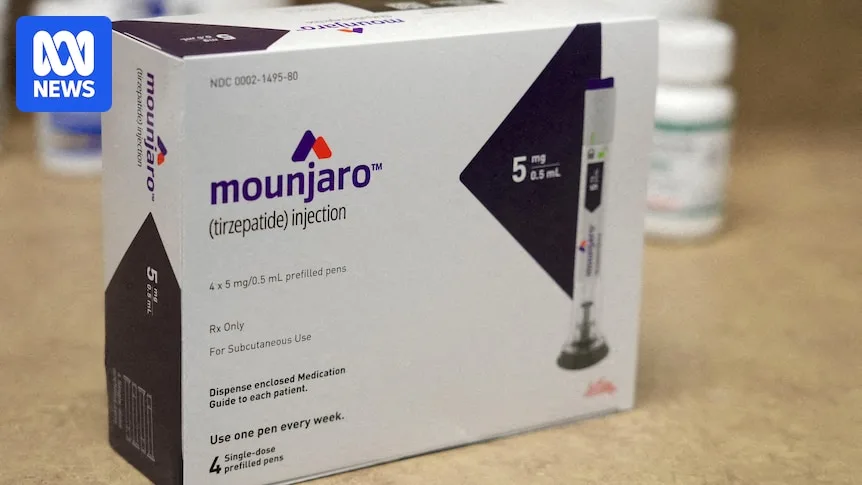
A US pharmaceutical firm recently reached a valuation of $1.5 trillion, joining a select group previously dominated by artificial intelligence companies. This company, Eli Lilly, markets the weight loss medications Mounjaro and Zepbound. Following reports that pharmaceutical sales had more than doubled in the most recent quarter, its stock price jumped by 40 percent.
Reaching a valuation exceeding $1 trillion indicates that investors believe a significant global shift is underway. While this is also believed to be occurring with AI, there may be some overexcitement about its potential financial gains.
The world is indeed changing due to drugs from Eli Lilly and Novo Nordisk's Ozempic and Wegovy. This shift, while different from that of AI and robotics, may be just as significant.
Changing Eating Habits
Last week, Rabo Bank's agriculture-focused research division released a study concluding that "weight loss medications mark a turning point for food consumption." The study suggests that what began as a breakthrough in diabetes care is now redefining obesity treatment, accelerating the shift from lifestyle management to medical intervention. The scale of these shifts continues to evolve, but the direction is clear: eating patterns are changing, and no category is immune.
Rabo cited a US study indicating that households with at least one user of these medications reduced their grocery spending by six percent within six months.
An analysis of Australian sales data, released in November, revealed that since May 2020, total sales of these drugs in Australia have increased nearly tenfold. Despite significant access disruptions due to shortages, sales reached approximately half a million units each month in 2024/25, with around 200,000 people currently using them.
Understanding the Medications
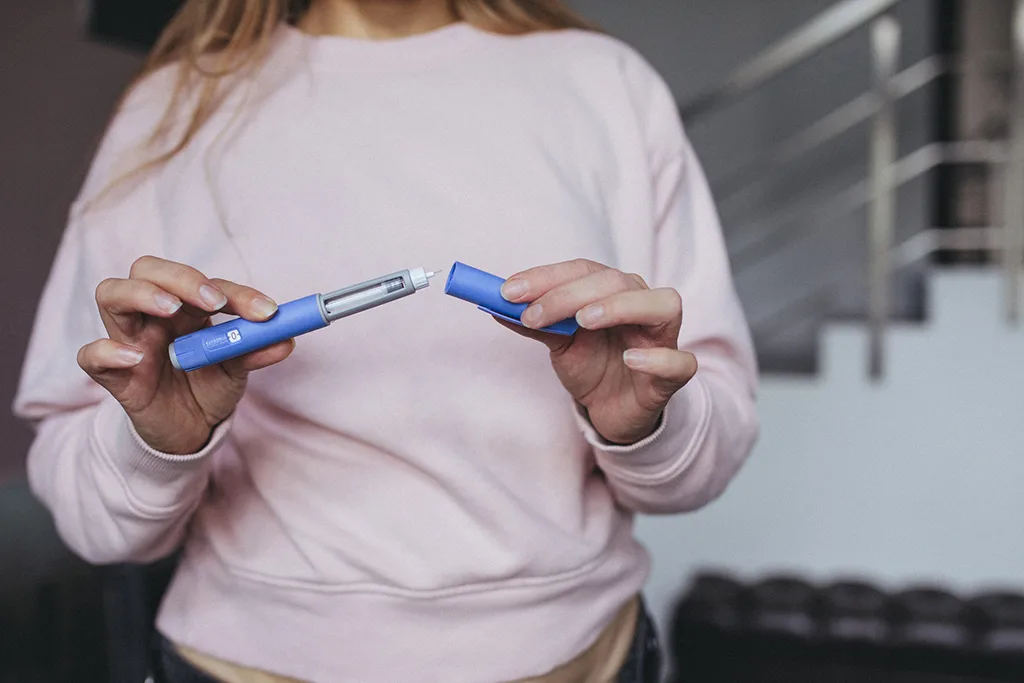
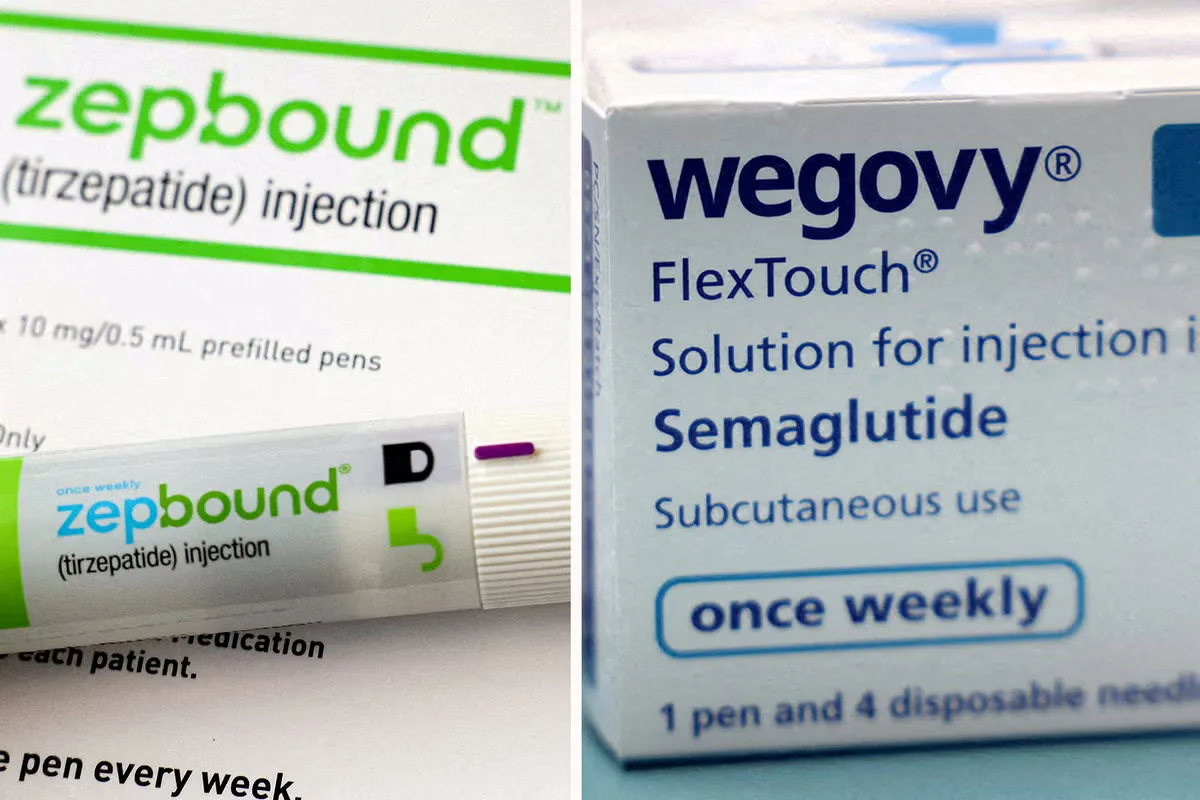
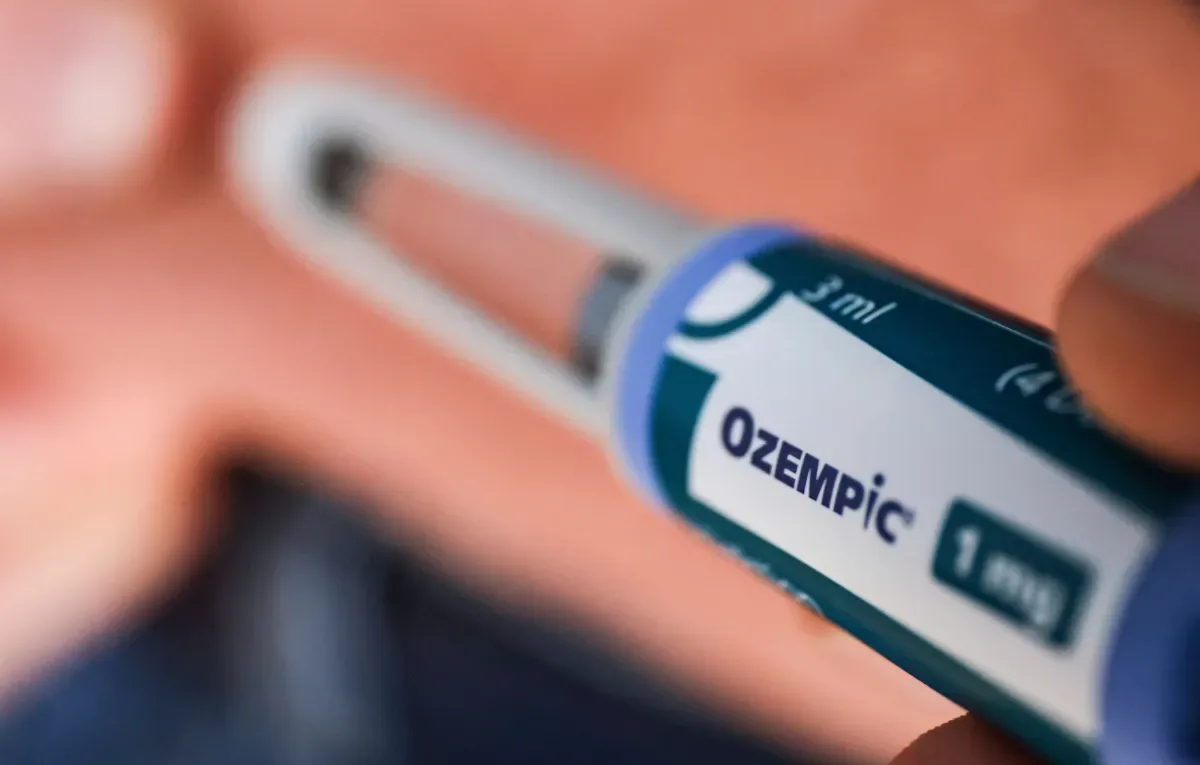
Ozempic and Wegovy are brand names for semaglutide, which the US Food and Drug Administration approved for treating Type 2 diabetes in 2017 and for weight loss in 2021. Semaglutide is a peptide that mimics glucagon-like peptide-1 (GLP-1), hence the name GLP-1 receptor agonists (RAs), administered via injection.
Mounjaro and Zepbound, also administered via injection, contain tirzepatide. Unlike GLP-1 RAs, tirzepatide acts as both a GLP-1 and a Gastric Inhibitory Polypeptide (GIP) receptor agonist. It is an analogue of gastric inhibitory polypeptide (GIP), a human hormone that stimulates insulin release from the pancreas.
Mounjaro appears to interact more effectively with GIP receptors and has demonstrated greater effectiveness for weight loss, potentially due to its combined action with GLP-1.
All these medications manage obesity by reducing hunger. Moreover, they directly improve cardiovascular and kidney health, in addition to the benefits of weight reduction. Health tracking apps like Shotlee can help monitor these improvements alongside medication use.
GLP-1 receptors are present not only in the pancreas and brain, where the weight loss effect occurs, but also in the heart and blood vessels. Activating these receptors can lead to several independent benefits, separate from losing weight, including:
- GLP-1 RAs enhance the function of blood vessel linings, improving blood flow and reducing the risk of atherosclerosis.
- They exert systemic and local anti-inflammatory effects and can directly modulate the progression of atherosclerosis.
- Studies suggest direct benefits on heart muscle cells (cardiomyocytes), such as reducing oxidative stress and inhibiting cell death, which can protect against myocardial injury.
- GLP-1 RAs can lower blood pressure via the kidneys.
Potential Downsides
While these drugs may appear to be general wonder drugs that also aid in weight loss, they do have side effects. These can include nausea, vomiting, diarrhoea, and constipation in some patients.
A primary concern with these medications is that weight loss includes muscle and bone density reduction along with fat. Upon discontinuing the medication and regaining fat, muscle and bone are not regained, potentially leading to weakness and fragility.
Nevertheless, obesity presents a significant global challenge that is difficult for individuals to manage. A drug offering assistance without requiring gastric surgery holds considerable appeal. Consequently, sales are soaring, as evidenced by Eli Lilly's trillion-dollar market capitalization.
Precision tracking for your journey
Join thousands using Shotlee to accurately track GLP-1 medications and side effects.
📱 Get the Shotlee App
Track your GLP-1 medications, peptides, and health metrics on the go with our mobile app!
However, these medications are also costly, with Eli Lilly and Novo Nordisk maximizing their duopoly patents. Governments face substantial pressure to subsidize these drugs, not only for diabetes treatment but also for obesity and heart disease.
In Australia, Ozempic costs approximately $150 per month and is available on the Pharmaceutical Benefits Scheme (PBS) for $31.60 per script, strictly limited to treating Type-2 diabetes. Patients must have tried several other treatments first, and clinicians must contact a PBS hotline for approval before writing the script.
Wegovy (starting price $260 per month), Mounjaro, and Zepbound (both about $700 a month) have been denied PBS listing due to their higher cost and the potential need for lifelong use, whether for diabetes or weight loss, representing a significant long-term expense.
Cost-Benefit Analysis
A compelling argument suggests that subsidizing these drugs would save money long-term by reducing obesity and heart disease cases. In Australia, the federal government would bear the subsidy costs, while the state health systems would reap the benefits.
Policy in the United States also presents complexities.
Medicare (the federal program for those over 65) covers GLP-1 drugs for Type 2 Diabetes treatment and will likely cover their use for cardiovascular risk reduction in people with obesity/overweight.
Private insurance coverage varies. Some private employers and insurers cover GLP-1s for obesity, but most have dropped coverage due to cost.
Access is thus determined by a patient's employer, state, or specific insurance plan, creating significant inequality. Furthermore, the US has the highest list prices globally for these drugs.
The US Congressional Budget Office (CBO) and independent researchers have analyzed the cost of allowing Medicare to cover anti-obesity medications, including GLP-1s. High uptake without discounts could result in an annual cost exceeding $US1 trillion ($1.5 trillion).
Such figures prompt treasury officials to seek cover. Prices should decrease soon, either through government negotiations or increased competition.
Three weeks ago, the US government announced an agreement with Eli Lilly and Novo Nordisk to reduce the prices of all four drugs from approximately $1,500 a month to $550, available through TrumpRx.com, a government website launching in January.
Next Generation Medications
An unsurprising frenzy of research aims to discover alternative versions of GLP-1 receptor agonists that avoid infringing on Novo Nordisk and Eli Lilly patents. Amgen is developing a once-a-month injection instead of once a week. Zealand Pharma is in phase three trials for a dual agonist (GLP-1 + glucagon). And Pfizer and Roche have multiple oral candidates taken in pill form. Others are targeting the amylin hormone that signals satiety.
Similar to AI and climate change, this new era of easy weight loss through drugs is just beginning and has a long way to go.
At this stage, we can only conclude that it will generate significant wealth for some and alter human civilization in some way. Unlike AI and climate change, this development is not expected to be fatal and may even prove beneficial.