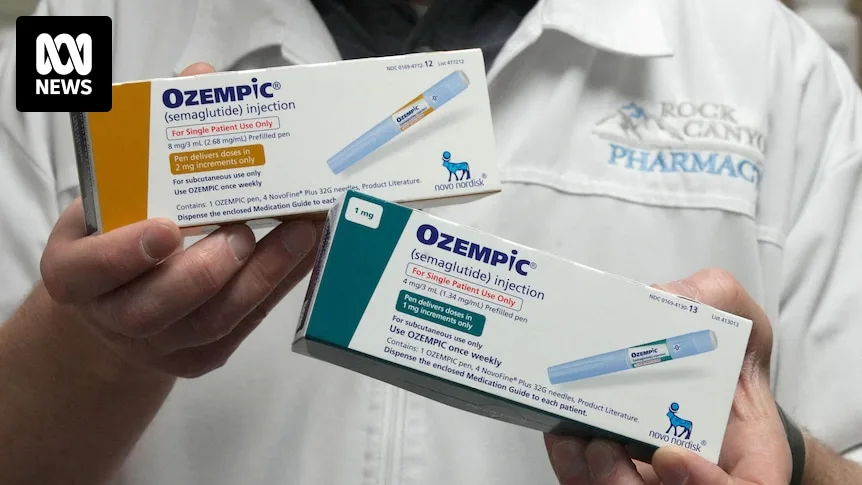

Ozempic-like Medications: New Alert Issued Over Suicidal Thought Risk
The Therapeutic Goods Administration (TGA), Australia's medicines regulator, has issued a safety warning regarding the possible risk of suicidal thoughts and behaviors associated with Ozempic-style medications. Patients should inform their doctor if they notice any shifts in their mood or behavior while taking these drugs, according to the TGA.
According to a safety alert released on Monday, the TGA has updated product warnings for GLP-1 based drugs to "ensure consistent information regarding the potential risk of suicidal thoughts or behaviours." The agency stated that these updates are the result of investigations conducted by the TGA and other regulatory bodies worldwide.
The TGA emphasized that there is insufficient evidence to definitively conclude that the drugs cause these changes. However, they noted the complex interplay between mental illness and the conditions that GLP-1 drugs are used to treat. Furthermore, the TGA acknowledged the possibility that weight loss itself could be linked to suicidal thoughts.
Affected Medications
The drugs currently affected in Australia include:
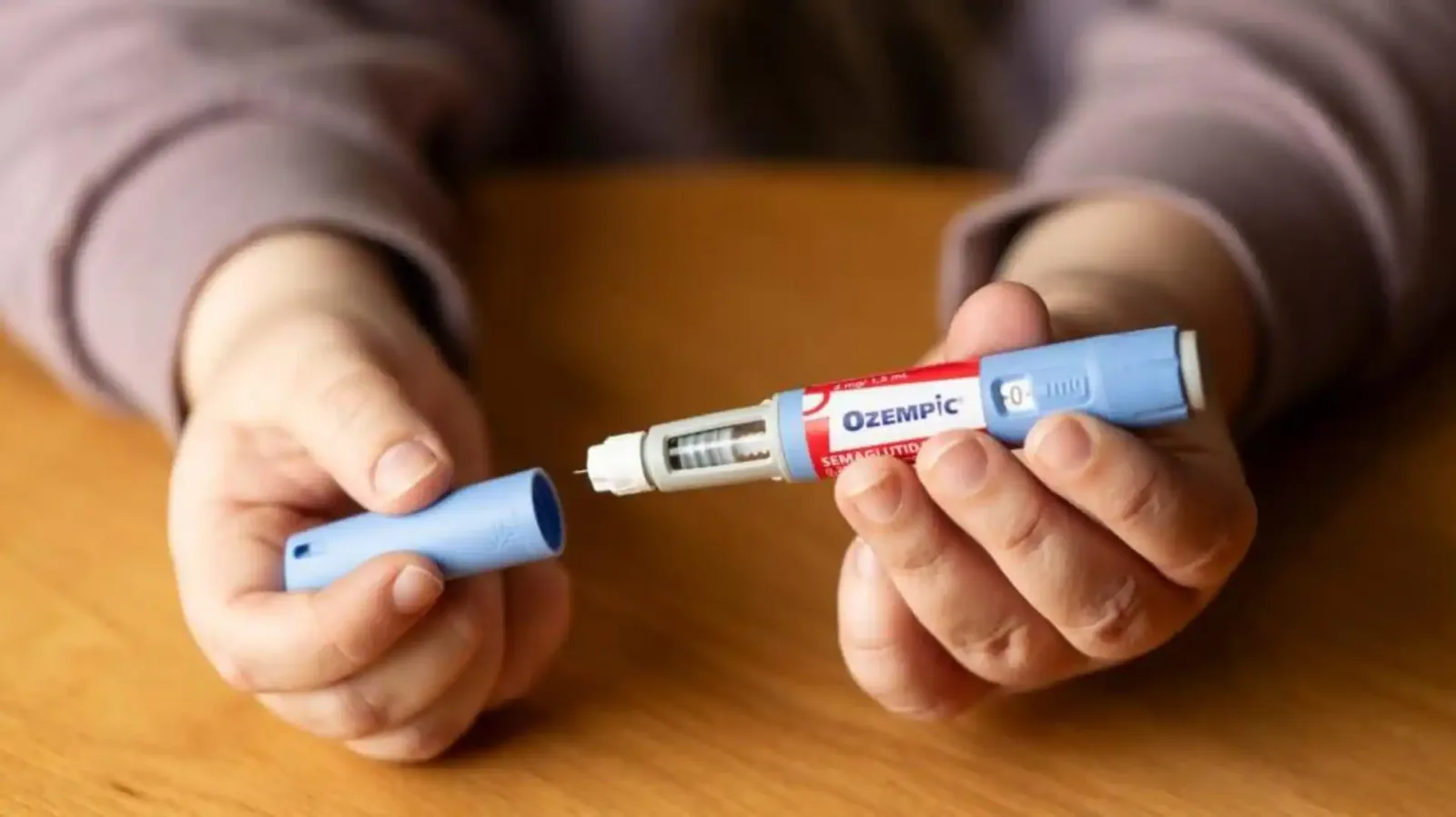
- Ozempic (semaglutide)
- Wegovy (semaglutide)
- Saxenda (liraglutide)
- Trulicity (dulaglutide)
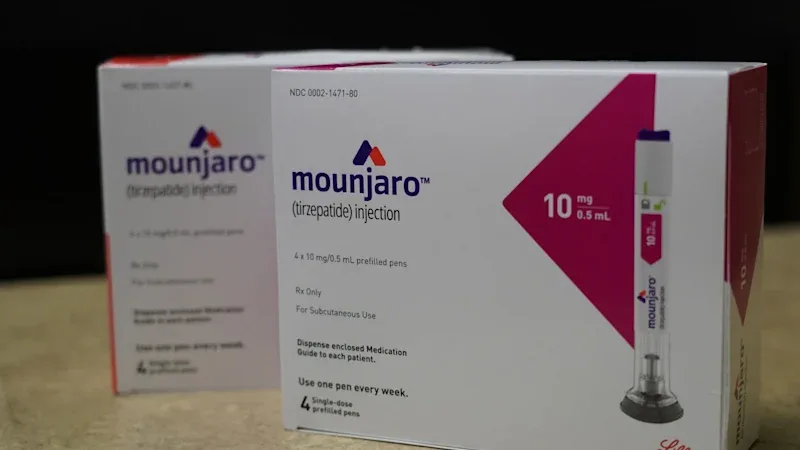
- Mounjaro (tirzepatide)
Oral Contraceptive Interactions
Separately, the TGA also issued a warning that the use of tirzepatide, a GLP-1-type drug known as Mounjaro, might reduce the effectiveness of oral contraceptives. As a precaution, product warnings for tirzepatide have been updated to include additional guidance for patients using oral contraceptives.
The agency stated that their investigation into the possible reduction in the effectiveness of oral contraception when starting or increasing the dose of Mounjaro (tirzepatide) could not rule out such an association. Therefore, patients taking tirzepatide are advised to switch to a non-oral contraceptive method or add a barrier method for four weeks after starting the medication and for four weeks after each dosage increase.
The safety alert also noted that GLP-1-type medications should not be used during pregnancy.
Background on GLP-1 Drugs
GLP-1-based drugs represent a significant advancement in medication, mimicking a natural hormone to slow digestion and promote a feeling of fullness. Originally developed for treating type 2 diabetes, they have become increasingly popular for weight management.
Precision tracking for your journey
Join thousands using Shotlee to accurately track GLP-1 medications and side effects.
📱 Get the Shotlee App
Track your GLP-1 medications, peptides, and health metrics on the go with our mobile app!
Some international research has indicated a heightened risk of depression, anxiety, and suicidal thoughts among individuals with pre-existing anxiety or depression who take GLP-1 medications. Health tracking apps like Shotlee can help monitor mood and behavior changes while on these medications.
International Evaluations
The US Food and Drug Administration (FDA) has been reviewing reports of suicidal thoughts or actions in individuals using GLP-1-type medications. Their preliminary assessment indicated that they had "not found evidence that use of these medicines causes suicidal thoughts or actions."
However, the FDA stated that due to the limited number of suicidal thoughts or actions observed in both the GLP-1 RA users and control groups, they could not definitively rule out a potential small risk. Consequently, the FDA is continuing its investigation into this matter.
Various international studies have explored the potential connection between GLP-1 medications and psychiatric conditions, with varying outcomes. Some studies found no such link.
However, one study published last year in Scientific Reports indicated that these drugs were associated with notably higher risks of depression, anxiety, and suicidality. The researchers hypothesized that this could be due to the drugs' influence on the brain's dopamine balance.
TGA Findings
The TGA reported receiving 72 reports of suicidal ideation, along with approximately a dozen reports of suicide, suicide attempts, and depression-related suicide.
Reports suggest that up to half a million Australians may be using these medications. The TGA conducted a comprehensive investigation, seeking advice from the Advisory Committee on Medicines (ACM). The ACM concluded that the available evidence was insufficient to establish a causal link between GLP-1-type drugs and suicidal or self-harming behaviors.
However, the ACM noted inconsistencies in product and consumer medicines information and recommended harmonization. The safety alert said that the ACM emphasized that updates should not imply a causal association, but should reflect a class-level awareness of the potential risks.