
Ozempic 2.0? Exploring the Future of Weight Loss Medications
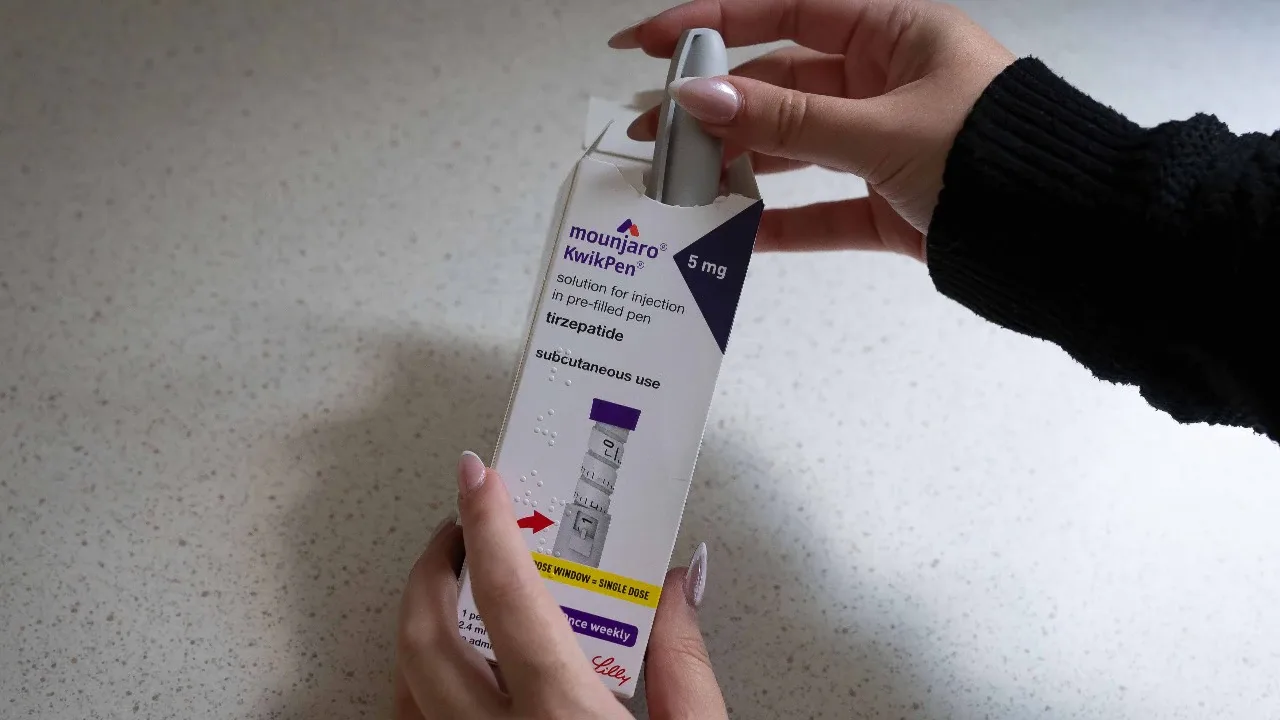
The term "Ozempic 2.0" has surfaced across various platforms, including social media, as a popular nickname for the next wave of weight loss drugs anticipated to emerge by 2026.
Both Eli Lilly and Novo Nordisk have announced ongoing efforts to develop novel oral drugs for managing type-2 diabetes and promoting weight loss. It's worth noting that Novo Nordisk, the maker of Ozempic, hasn't specifically referenced an 'Ozempic 2.0.' Instead, they recently highlighted the significant weight loss effects observed in a study of their new oral drug, 'Wegovy in a pill'.
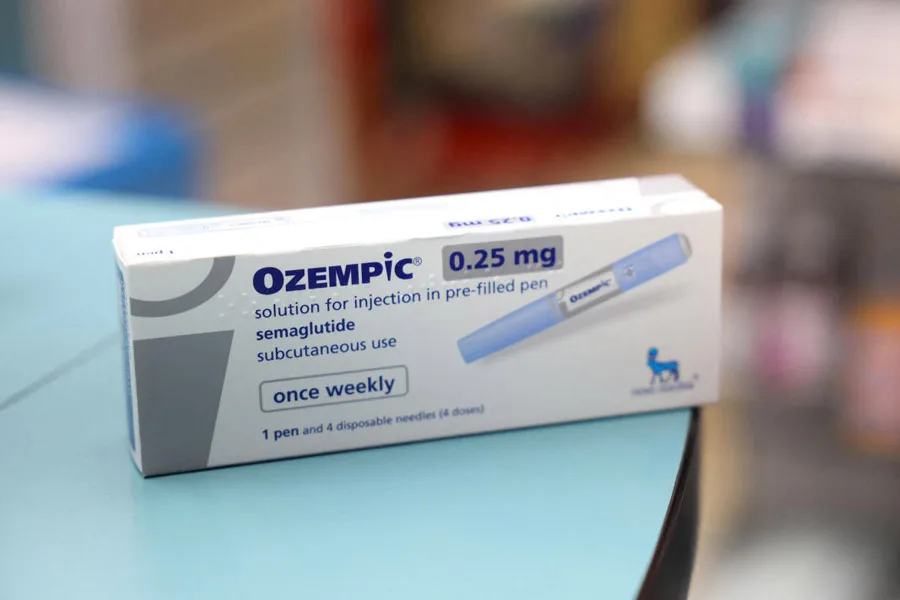
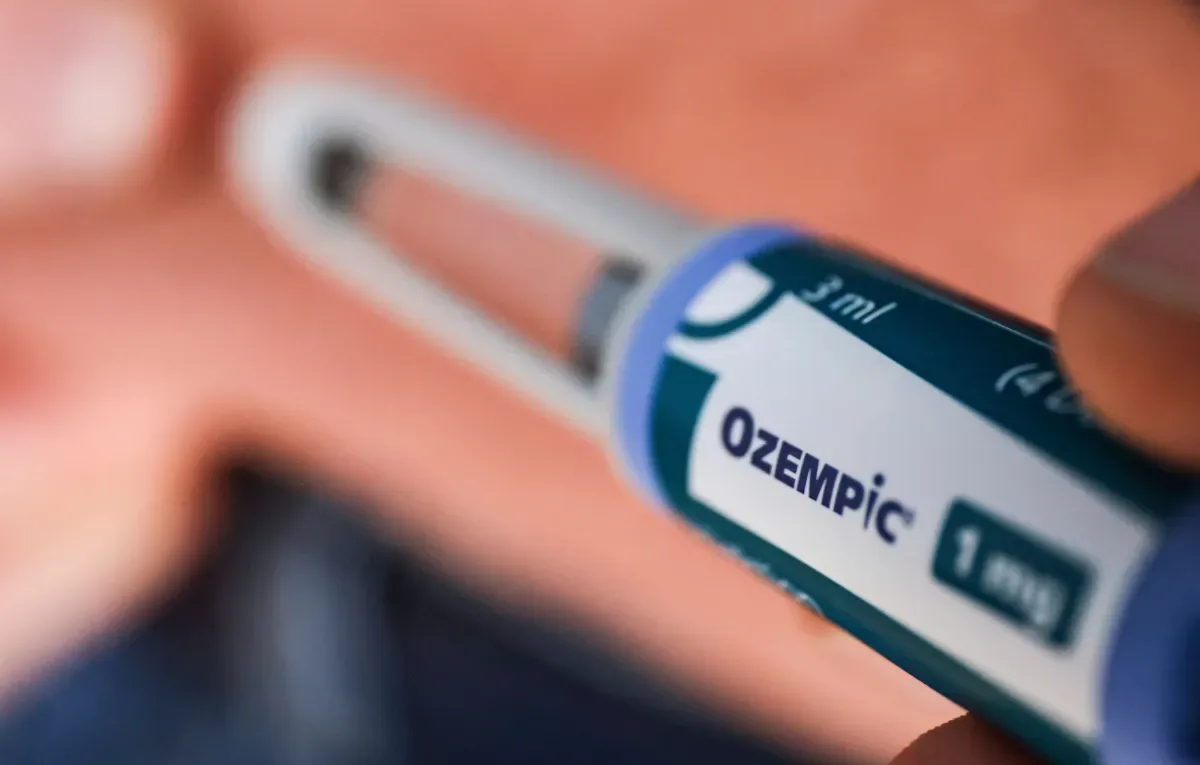
The rising popularity of GLP-1 drugs stems from their notable impact on weight reduction. While Ozempic is FDA-approved for type 2 diabetes, cardiovascular risk reduction, and chronic kidney disease, it isn't approved for weight loss. Wegovy, on the other hand, has received FDA approval for weight loss.
These medications function by reducing blood sugar levels. However, their high cost limits access for many Americans. New developments aim to broaden access to these drugs and potentially have a more significant impact on obesity rates in the U.S.
Novo Nordisk's oral semaglutide 25 mg drug, also known as 'Wegovy in a pill,' has undergone clinical trials and demonstrated an average weight loss of 13.6 percent, compared to 2.2 percent with a placebo.
Nearly one-third of participants experienced a weight loss of 20 percent or more, versus 3.3 percent for the placebo group. Additionally, the drug showed improvements in cardiovascular risk factors.
In October, Eli Lilly announced positive trial results for its new oral GLP-1 orforglipron, noting that it "demonstrated superiority over two active comparators."
Precision tracking for your journey
Join thousands using Shotlee to accurately track GLP-1 medications and side effects.
📱 Get the Shotlee App
Track your GLP-1 medications, peptides, and health metrics on the go with our mobile app!
Participants on the highest dose of orforglipron experienced an average weight loss of 22.9 lbs over 72 weeks. The drug also effectively lowered blood sugar levels to ≤6.5 percent at the highest dose, aligning with or falling below the American Diabetes Association's definition of diabetes. The drug can be taken at any time of day, irrespective of food or water intake.
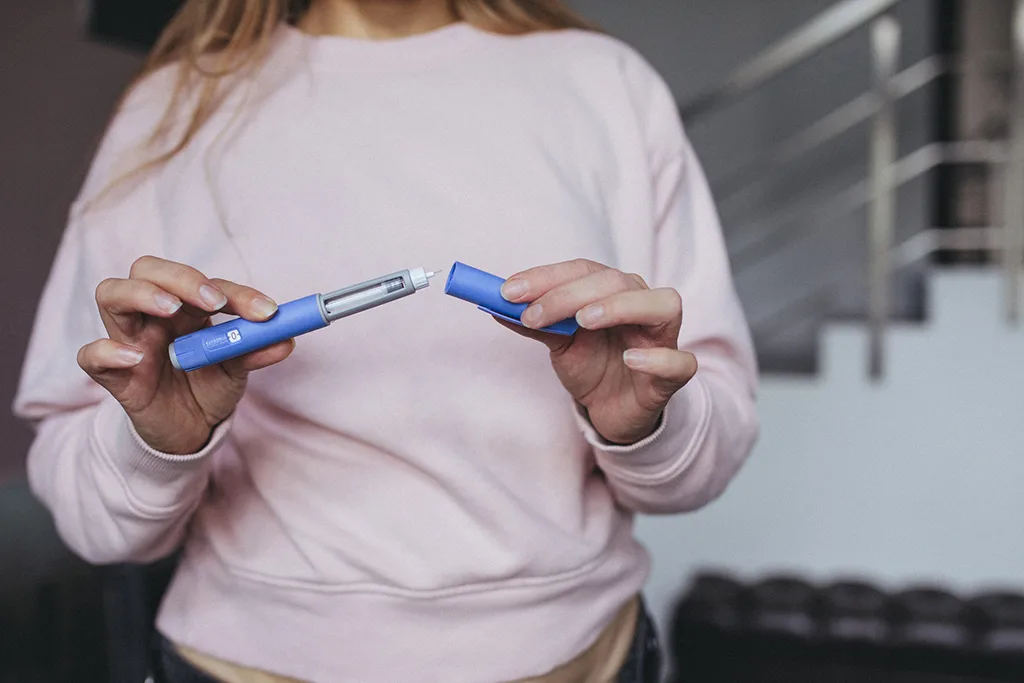
The convenience of oral administration is driving much of the excitement surrounding these new drugs, making them easier to take than current injectable options.
While clinical trials have shown success, oral versions of injectables generally result in "less average weight loss and similar side effects profiles," according to Dr. Caroline Apovian, professor of medicine.
However, these new drugs are expected to be more affordable than GLP-1 injections like Ozempic, due to manufacturers' cost-cutting measures. Eli Lilly and Novo Nordisk plan to sell the drugs directly to consumers for $150 a month, significantly less than the original price of Ozempic.
Martin Holst Lange, chief scientific officer at Novo Nordisk, stated that the oral semaglutide 25 mg data shows compelling efficacy for an oral weight management medication with 16.6 percent weight loss and a safety and tolerability profile consistent with injectable Wegovy. Currently, less than 2 percent of individuals with obesity in the U.S. receive obesity medication. Pending FDA approval, ample supply will be available to meet the expected U.S. demand, potentially setting a new treatment benchmark for oral weight loss medications.
Dr. Louis Aronne, founder and chair of the American Board of Obesity Medicine, noted the potential for orforglipron to offer an efficacy, safety, and tolerability profile consistent with injectable GLP-1s, based on his experience leading clinical trials in obesity and diabetes. Orforglipron could help health care providers expand treatment options for patients who prefer oral therapies without compromising clinical results. Health tracking apps like Shotlee can help monitor health metrics as these new treatments are explored.
Novo Nordisk's Wegovy pill is expected to reach the market sooner than Eli Lilly's drug, with anticipated FDA approval before the end of the year, potentially leading to a launch in early 2026.