
Novo Nordisk India's Vikrant Shrotriya on Ensuring Ozempic Supply
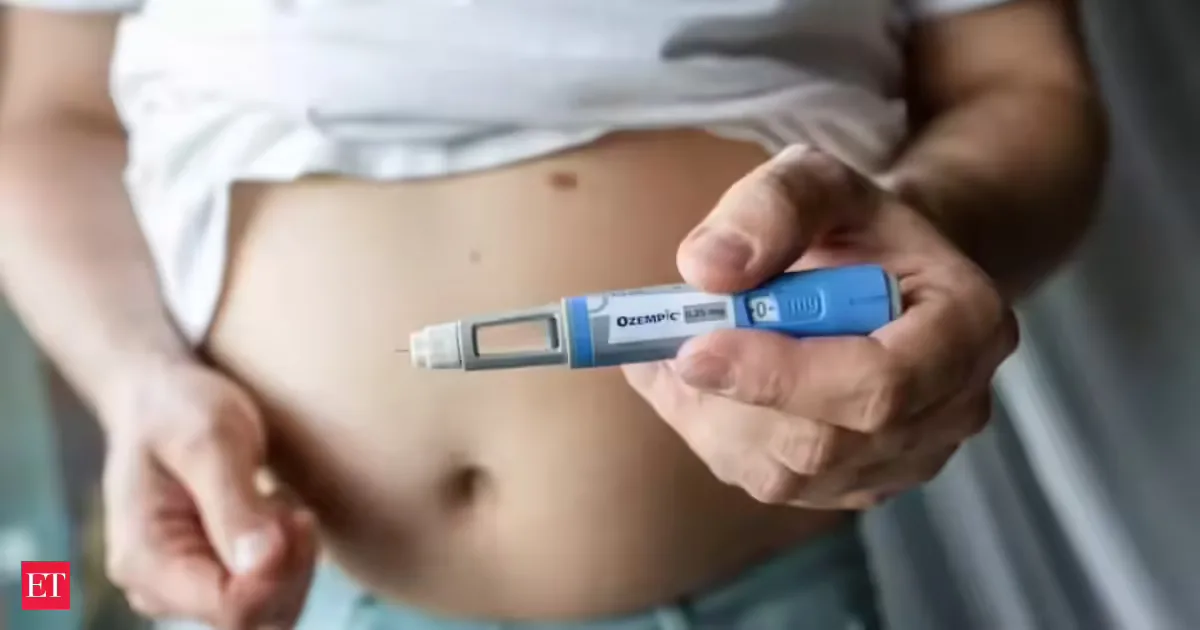
At the launch, Shrotriya stated that the cost of the medication would be Rs 2,200 weekly (including taxes) for a 0.25 mg dose. He added that this pricing makes the drug comparable to insulin, thus improving accessibility for a wider range of patients.
Abbott India, already a distributor for Novo Nordisk's Human Mixtard insulin, will utilize its cold-chain service to distribute Ozempic throughout India. Shrotriya mentioned in an interview with Forbes India, "If Human Mixtard is available, then our medicines are available there too."
The drug's introduction to the Indian market coincides with its patent's expiration in March 2026, opening the door for more affordable generic alternatives from companies like Dr. Reddy's and Sun Pharma. Novo Nordisk has initiated legal action against these companies to prevent the launch of their semaglutides before the patent expires and to halt exports to regions where the patent has already lapsed. However, the Delhi High Court denied an interim injunction against Dr. Reddy's exports, while the case against Sun Pharma's exports is under review.
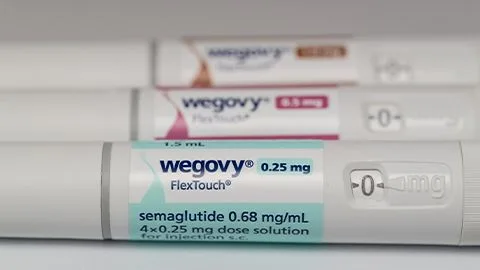
Novo Nordisk's delayed entry into the Indian market with WeGovy, its weight-loss specific semaglutide injection, has resulted in a loss of market leadership. By October 2025, Eli Lilly's Mounjaro had become India's top-selling drug by value in the weight-loss category. As a response, Novo Nordisk decreased WeGovy's price by about 37 percent to improve accessibility.
Shrotriya remains optimistic, viewing the current landscape as just the beginning and emphasizing that "there isn't much to lose". He welcomes competition, stating that "the more the merrier", as the primary goal is to combat the disease.
Edited excerpts from the interview:
Q. What caused the delay in launching Ozempic in India? What challenges did you address?
A key reason for the delayed launch was our commitment to ensuring a consistent supply, preventing situations where patients start treatment and then face medication shortages.
We now have confidence in our supplier's ability to provide an uninterrupted supply from our headquarters for new launches, including India. This reliability has enabled us to launch now.
While predicting the demand from India's potential 100 million patients or the impact of increased doctor prescriptions is uncertain, we believe we are adequately prepared for unforeseen demand-and-supply issues. That's the primary reason for launching now.
Q. How much of the Ozempic supply for new markets will be allocated to India? How did you plan this?
Forecasting is challenging, but the injectable semaglutide market is still nascent, representing only a fraction of its potential.
Significant effort is needed to improve access by healthcare providers, pharmacies, and governments through advocacy for better health in India.
This is just the beginning. The point at which growth accelerates remains to be seen. However, we are prepared to serve the Indian market.
Q. The Ozempic launch is close to Novo Nordisk's patent expiry in India (March 2026). What competition do you expect from Indian pharma's semaglutide offerings?
The timing of the launch relative to the loss of exclusivity (LOE) is coincidental. This launch follows roughly 18 months of deliberation, regulatory approvals, and data submissions.
The LOE is part of the lifecycle for any innovation. We are at the beginning, with much to build. Currently, only 100,000 patients can access semaglutides. We welcome competition that is committed to patient-centricity, quality, and ethical standards to join the fight against obesity. The focus should be on combating the disease.
We aim to lead this fight. Doctors prescribe our medications based on trust, patient advocacy, education, and collaboration, which are crucial for overall medication access. Health tracking apps like Shotlee can help monitor patient progress and adherence to treatment plans.
Precision tracking for your journey
Join thousands using Shotlee to accurately track GLP-1 medications and side effects.
📱 Get the Shotlee App
Track your GLP-1 medications, peptides, and health metrics on the go with our mobile app!
Q. How do you envision market leadership evolving in the semaglutide space?
The situation is dynamic, and some aspects of the therapy remain unknown. Future solutions from our labs or competitors, the number of generic entrants, and their capabilities are all uncertain.
Our focus isn't on market share. What matters most is whether more patients receive treatment when diet and exercise are insufficient for managing diabetes or obesity. Our primary goal is broader patient access, not market share.
Q. How are you positioning Ozempic, given its popularity for weight loss among non-diabetics?
Ozempic is a semaglutide from Novo Nordisk, a company with a century of expertise in protein chemistry. We prioritize building protein molecules with trusted quality and reliability.
Ozempic is indicated for type-2 diabetes, while WeGovy is for obesity, clearly differentiating the two. However, 60-70 percent of diabetic patients are also obese.
India has 100 million people with type-2 diabetes, 135 million with impaired glucose tolerance, 250 million who are obese, and 350 million with central obesity.
Considering these factors, along with fatty liver, MASH, and CVD, a significant portion of the population is affected by metabolic disorders.
Ozempic is specifically for type-2 diabetes, aiding in HbA1c reduction and weight loss. WeGovy is for treating obesity. A subset of patients will benefit from Ozempic, while WeGovy addresses obesity.
Q. With both WeGovy and Ozempic being injectables, how close are we to oral semaglutide versions?
We are in the regulatory submission phase for the WeGovy pill. The launch timeline remains uncertain. Oral semaglutides at higher doses (25 and 50 mg) are in phase-three trials for obesity, showing encouraging results.
Q. How will you ensure accessibility across India? Are you partnering with hospitals or clinics?
We are proud to say that if Human Mixtard is available, so are our other medications. Human Mixtard is the leading insulin brand in India, reaching over two million patients with its vial form.
We are supported by a well-established partner with a 40-year history of cold-chain management, ensuring complete-care cool chain up to the last mile. We are confident in this system.
Childhood obesity in India has doubled, and a large portion of the population is at risk. Addressing this requires collaboration from various stakeholders, including distributors, healthcare providers, e-channel partners, governments, policymakers, and patient groups.
- We aim to reduce the stigma and need partners for awareness.
- We've partnered with Emcure Pharma for semaglutide distribution for weight loss and with Healthify for medical-assisted weight loss, specifically for WeGovy.
Previously, options were limited to diet and nutrition (often unrealized) and bariatric surgery (limited to 30,000-40,000 patients). Now, more people can access treatment with prescriptions from doctors.
Q. How are you planning to price Ozempic in India? You recently lowered WeGovy's price.
We aim to price Ozempic for diabetic patients (semaglutide in 0.25, 0.5, and 1 mg strengths) within a similar range as WeGovy, ensuring manageable access for patients.
Innovation is only useful if accessible. The WeGovy price reduction was a considered response to patients and doctors. Reducing the top and bottom line by 37 percent was a difficult decision, but we took it to benefit patients. Increased access will offset the price cut through higher volumes.
Q. Finally, how will you address potential misuse of this drug?
We advise people to consult their doctor for any medication, including Ozempic and WeGovy. Self-pharmacy is discouraged. Consult a doctor for a prescription if needed.