
Zydus Lifesciences is preparing to launch its semaglutide injection in a reusable adjustable pen format following the patent expiry in India, a development that could significantly lower prices and improve patient access to this GLP-1 receptor agonist for Type 2 diabetes and obesity management.
Semaglutide, the active ingredient in popular brands like Ozempic and Wegovy, has transformed treatment for blood sugar control and weight loss. As more Indian drugmakers enter the market post-patent, Zydus' innovative delivery system stands out, addressing key barriers like cost and convenience.
Zydus' Semaglutide Launch: Brands and Approvals
The Drug Controller General of India (DCGI) has approved Zydus Lifesciences to manufacture and market semaglutide injections under three brands: SEMAGLYN™, MASHEMA™, and ALTERMET™. These are indicated for the treatment of Type 2 Diabetes Mellitus and obesity.
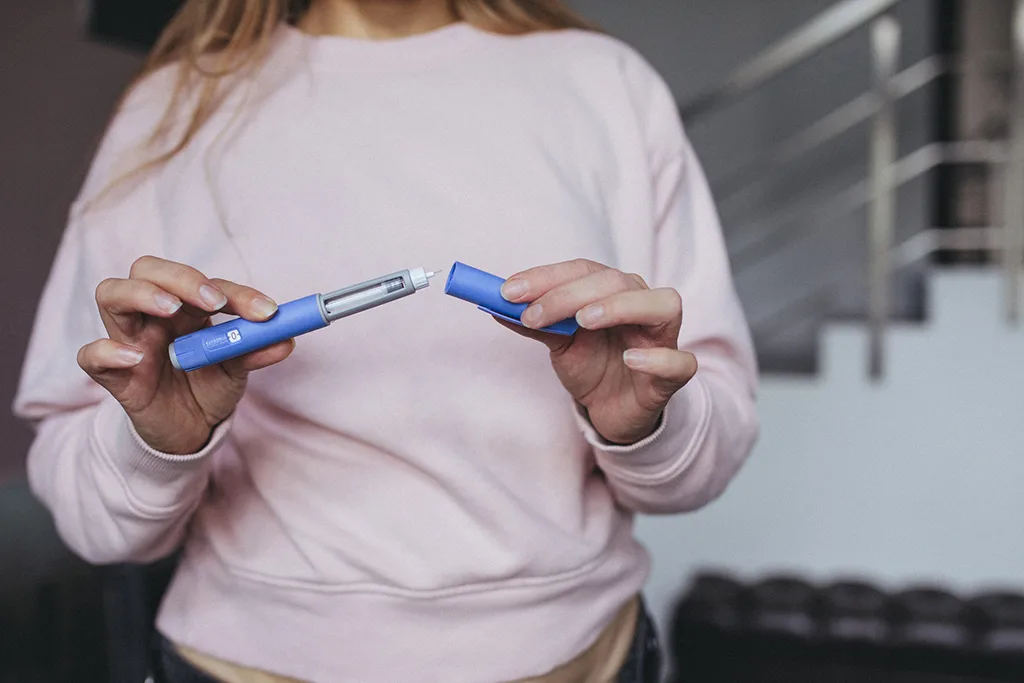
Zydus is positioning its product with an indigenously developed drug-delivery system—a reusable adjustable single-pen device. Unlike existing therapies where patients must purchase multiple single-dose pens as dosages increase, this pen allows selection of different approved dose strengths from the same unit, simplifying treatment adherence.
"Zydus' innovative offering of Semaglutide injection is a testament to our enduring commitment to patient-centric innovation. We are not just planning to bring a critical therapy to market, we are aiming to elevate the standard of care," said Managing Director Sharvil Patel. "By introducing a first-of-its-kind drug delivery mechanism in India, we plan to simplify the treatment. This leap in convenience will drive better long-term adherence and, ultimately, significantly improved clinical outcomes for patients."
How Semaglutide Works: A Quick Clinical Overview
Semaglutide is a GLP-1 receptor agonist that mimics the glucagon-like peptide-1 hormone. It improves blood sugar control in Type 2 diabetes by stimulating insulin release, suppressing glucagon, and slowing gastric emptying. Additionally, it reduces appetite, promoting weight loss—key for obesity management. Clinical trials have shown sustained A1C reductions and average weight loss of 15-20% over time, making it a cornerstone therapy.
Patent Expiry: Opening Doors for Indian Generics
The semaglutide patent expires on March 20 in India, ending Novo Nordisk's exclusive rights to commercially sell the drug. From March 21, multiple Indian companies are poised to launch versions, increasing competition and availability.
Key players include:
- Sun Pharma
- Zydus Lifesciences
- Dr Reddy's
- Natco Pharma
Three manufacturers have already received approvals from the Subject Expert Committee under the Central Drugs Standard Control Organisation's (CDSCO) Subsequent New Drugs division:
- Torrent Pharmaceuticals: Favorable recommendation for multiple strengths of oral semaglutide tablets.
- MSN Laboratories: Approval for injectable vials.
- Natco Pharma: Cleared for multidose prefilled pens.
Cipla has also applied for approval. More entrants are expected in the coming months, fostering a competitive landscape.
Price Reductions: Making GLP-1 Therapy Accessible
With increased competition, analysts estimate generic semaglutide could be priced about 50% lower than innovator brands, around ₹3,500-4,000 per month for the starting dose. This affordability could dramatically improve access, especially in a price-sensitive market like India.
Precision tracking for your journey
Join thousands using Shotlee to accurately track GLP-1 medications and side effects.
📱 Get the Shotlee App
Track your GLP-1 medications, peptides, and health metrics on the go with our mobile app!
For context, innovator companies have adjusted pricing: Novo Nordisk launched Ozempic in December 2025 and reduced Wegovy's starting dose by 37% in November to ₹10,000 per month. Mounjaro entered at India-specific points. Lower generic prices position GLP-1s within reach for more patients managing Type 2 diabetes or obesity.
Who Stands to Benefit?
Indian generic drugmakers gain through scale, pricing, and distribution strengths. Patients benefit from wider availability of a therapy previously limited by high costs. Tools like Shotlee can help track dosing schedules, symptoms, and side effects during transitions to generics.
Why GLP-1 Drugs Like Semaglutide Have Gained Traction
GLP-1 receptor agonists started as blood sugar controllers for Type 2 diabetes but expanded due to robust weight-loss effects. They reduce appetite and delay gastric emptying, leading to meaningful body weight reductions alongside glycemic improvements.
In clinical practice, semaglutide is titrated gradually (e.g., starting at 0.25 mg weekly) to minimize gastrointestinal side effects like nausea, which affect 20-40% initially but often resolve. Long-term data supports cardiovascular benefits, though patients should discuss risks like pancreatitis or thyroid concerns with providers.
India's Massive Patient Base
India has 8.9 crore adults living with diabetes, or 10.5% of the adult population, per the International Diabetes Federation. Rising obesity across ages amplifies demand for GLP-1 therapies combining diabetes and weight management.
Market Growth and Commercial Opportunity
India's weight-loss drug market is estimated at nearly ₹1,400 crore and could double within a year, per analysts. Pharmarack data shows over 15% growth in January, driven by Mounjaro sales of ₹112 crore that month.
Post-patent generics will accelerate this, with Zydus' reusable pen differentiating on convenience. Compared to single-use pens or vials, it reduces waste and costs over time—ideal for chronic therapy.
What This Means for Patients: Practical Guidance
Who Should Consider Semaglutide?
- Adults with Type 2 diabetes not at goal on oral meds.
- Those with obesity (BMI ≥30) or overweight with comorbidities.
- Patients prioritizing once-weekly dosing and weight loss.
Discussing with Your Doctor
Consult endocrinologists or diabetologists about switching post-patent. Compare generics like Zydus' to Ozempic/Wegovy on bioequivalence. Monitor for side effects; start low and titrate. Lifestyle integration—diet, exercise—enhances outcomes.
Safety Considerations
Common: Nausea, vomiting, diarrhea (titrate slowly). Rare: Gallbladder issues, hypoglycemia (with insulin). Not for Type 1 diabetes or medullary thyroid cancer history. Regular monitoring ensures safety.
Key Takeaways
- Zydus launches SEMAGLYN™, MASHEMA™, ALTERMET™ in reusable pens post-March 20 patent expiry.
- Prices may drop 50% to ₹3,500-4,000/month, boosting access.
- Multiple firms (Sun, Dr Reddy's, Natco) entering; India diabetes/obesity market exploding.
- Reusable pen improves adherence vs. single-dose formats.
- GLP-1s like semaglutide excel in glycemic and weight control.
Conclusion: A New Era for GLP-1 Access in India
Zydus' semaglutide launch in a reusable pen after patent expiry signals competitive pricing and innovation, preserving proven efficacy for Type 2 diabetes and obesity. Patients should partner with healthcare providers to explore options, potentially transforming management for millions. Stay informed on approvals and track your journey for optimal results.