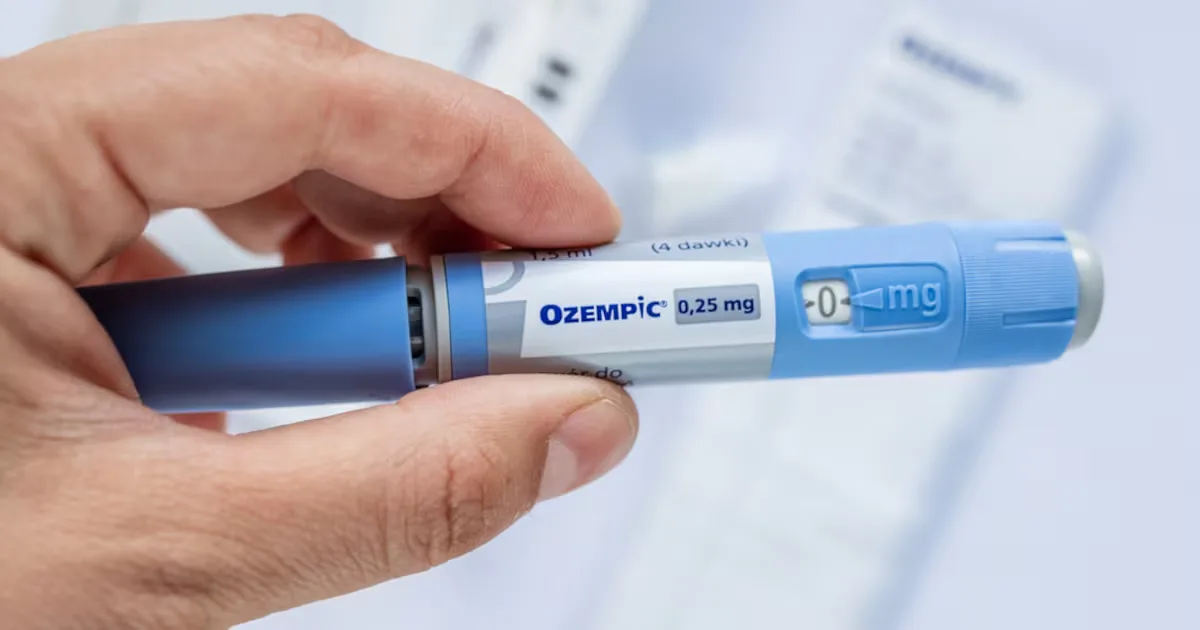

New Research Shows Hidden Caveats of Substantial Weight Loss from GLP-1 Medications Like Ozempic
Analyses assessing three GLP-1 receptor agonists utilized for weight management indicated that each yielded clinically significant weight loss when compared to a placebo. Nevertheless, there remains limited or uncertain evidence regarding their long-term safety, potential adverse effects, and the ways in which financial connections might impact study outcomes.
Glucagon-like peptide-1 (GLP-1) receptor agonists were initially introduced in the mid-2000s to aid individuals with type 2 diabetes. In this context, particularly among those with underlying heart or kidney disease, the medications assisted in enhancing blood sugar levels, diminishing the risk of associated complications, facilitating weight reduction, and decreasing the probability of premature death.
More recently, researchers have been evaluating GLP-1 receptor agonists in individuals with obesity. These drugs function by mimicking a natural hormone that decelerates digestion and assists individuals in feeling satiated for a more extended period. In the United Kingdom, they have received approval for weight management when integrated with a reduced-calorie diet and physical activity for individuals with obesity or those who are overweight with related health concerns. Health tracking apps like Shotlee can help monitor weight loss progress and adherence to diet and exercise plans.
GLP-1 Drugs Show Promise for Weight Management
Across the reviewed studies, tirzepatide, semaglutide, and liraglutide consistently resulted in considerable weight loss over a period of one to two years when compared to a placebo. The benefits seemed to persist throughout the duration of the ongoing treatment.
The reviews identified minimal to no difference between the drugs and the placebo concerning major cardiovascular events, mortality, or quality of life. However, nausea and digestive discomfort were more frequently observed among individuals using GLP-1 drugs, with some participants discontinuing treatment due to these side effects.
"These drugs have the potential to bring about substantial weight loss, particularly in the first year," says Juan Franco, co-lead researcher from Heinrich Heine University Düsseldorf, Germany. "It's an exciting moment after decades of unsuccessful attempts to find effective treatments for people living with obesity."
Precision tracking for your journey
Join thousands using Shotlee to accurately track GLP-1 medications and side effects.
📱 Get the Shotlee App
Track your GLP-1 medications, peptides, and health metrics on the go with our mobile app!
Independent Research and Equitable Access are Key
A majority of the studies included in the reviews received funding from the companies responsible for manufacturing the drugs and were influenced by these companies in terms of design, analysis, and reporting. This has prompted concerns regarding potential conflicts of interest and underscores the significance of independent research.
The authors also emphasized that the utilization of these medications should be considered within a broader health framework, encompassing issues such as access, affordability, and insurance coverage, to prevent the exacerbation of existing health disparities. Costs remain a significant obstacle, particularly for semaglutide and tirzepatide, while liraglutide has become more affordable since its patent expiration. Semaglutide's patent is scheduled to expire in 2026.
Most trials were carried out in middle- and high-income countries, with limited or no representation from regions such as Africa, Central America, and Southeast Asia. Given the variations in body composition, dietary habits, and health behaviors across the globe, the authors emphasized the necessity of comprehending how these drugs function in more diverse populations.
"We need more data on the long-term effects and other outcomes related to cardiovascular health, particularly in lower-risk individuals," says Eva Madrid, co-lead researcher from the Universidad de Valparaíso, Chile. "Weight regain after stopping treatment may affect the long-term sustainability of the observed benefits. More independent studies from a public health perspective are needed."
The reviews emphasize the need for long-term, independent investigations to inform clinical and policy decisions and to more precisely define the role of GLP-1 receptor agonists in sustained weight management.