
Mounjaro Maker Signs $2.7B AI Drug Research Deal
In a major move for pharmaceutical innovation, Eli Lilly—the maker of Mounjaro—has entered into a $2.7 billion deal with Insilico Medicine focused on AI drug research. This partnership, detailed in a filing by Insilico's parent company on Sunday, underscores the growing role of artificial intelligence in accelerating drug discovery, particularly relevant for GLP-1 medications and metabolic health therapies.
The Details of the $2.7 Billion Agreement
The new deal builds on existing collaborations between Eli Lilly and Insilico Medicine. According to Insilico, the two companies struck a software licensing agreement in 2023. Now, this expanded $2.7 billion commitment will leverage Insilico's "AI engine to accelerate the discovery and development of novel therapeutics across multiple therapeutic areas," as stated in the filing.
The pair will use Insilico's "AI engine to accelerate the discovery and development of novel therapeutics across multiple therapeutic areas", said the filing, made by Insilico's parent company on Sunday.
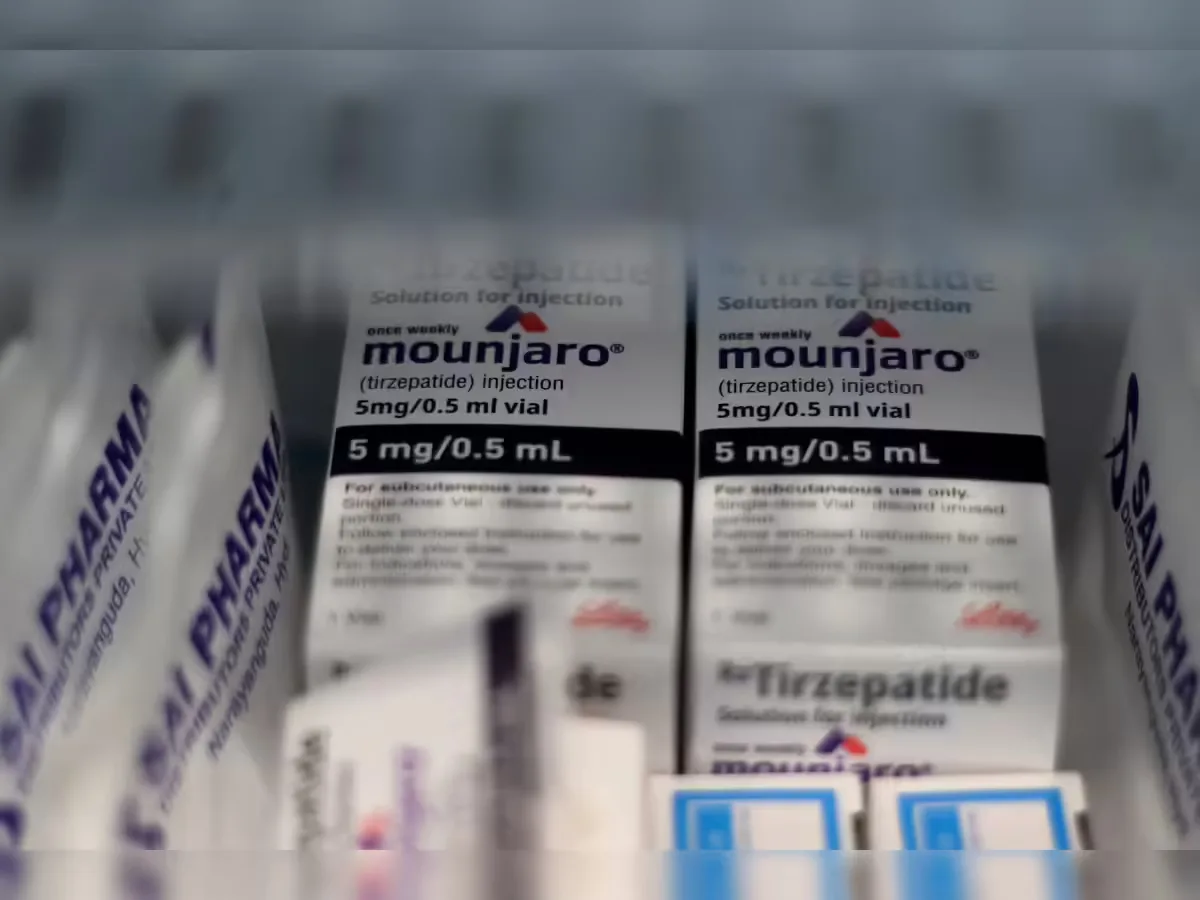
This collaboration positions Eli Lilly, already a leader in GLP-1 receptor agonists like Mounjaro (tirzepatide), to harness cutting-edge AI for broader therapeutic advancements. Mounjaro, approved for type 2 diabetes and weight management, has transformed metabolic health treatment, and this deal signals potential expansions into new drug classes.
Background on Eli Lilly and Mounjaro
Eli Lilly and Company has solidified its dominance in the GLP-1 market with Mounjaro, a dual GIP/GLP-1 receptor agonist that mimics gut hormones to regulate blood sugar, slow gastric emptying, and promote satiety. Clinically, these mechanisms reduce A1C levels and support substantial weight loss, addressing core aspects of metabolic syndrome.
Why does this matter? GLP-1 therapies like Mounjaro work by activating receptors in the pancreas, brain, and gut, enhancing insulin secretion while suppressing glucagon. For patients with obesity or diabetes, this translates to improved cardiovascular outcomes and better long-term metabolic control. Eli Lilly's investment in AI research could refine these mechanisms or yield next-generation peptides.
Insilico Medicine: Pioneers in AI-Driven Drug Discovery
Insilico Medicine specializes in generative AI for biology, using machine learning to predict molecular structures, simulate protein interactions, and identify drug candidates faster than traditional methods. Their AI engine integrates vast datasets on genomics, proteomics, and clinical outcomes to design novel therapeutics.
In the context of peptide therapy, AI excels at optimizing sequences for stability and receptor affinity—key for GLP-1 analogs that must withstand digestion and reach target tissues effectively.
Building on the 2023 Software Licensing Agreement
The foundation for this $2.7 billion deal was laid in 2023 with a software licensing agreement between Eli Lilly and Insilico. That initial pact allowed Lilly to access Insilico's AI tools for early-stage research. Now, the partnership scales up, focusing on end-to-end discovery and development.
Precision tracking for your journey
Join thousands using Shotlee to accurately track GLP-1 medications and side effects.
📱 Get the Shotlee App
Track your GLP-1 medications, peptides, and health metrics on the go with our mobile app!
This progression highlights a strategic shift in pharma: from siloed R&D to AI-accelerated pipelines. For metabolic health, where peptide therapies dominate, AI can screen thousands of candidates daily, prioritizing those with optimal pharmacokinetics for GLP-1-like effects.
Why AI Matters for GLP-1 Medications and Peptide Therapy
Traditional drug discovery takes 10-15 years and billions per approval. Insilico's AI engine compresses this timeline by predicting efficacy and safety early. In peptide therapy, used heavily in GLP-1 drugs, AI models refine amino acid chains to enhance half-life, reduce immunogenicity, and improve tissue penetration.
Consider GLP-1 mechanisms: These peptides bind GLP-1 receptors to boost incretin effects, aiding glucose homeostasis. AI can explore variations—such as multi-agonists or oral formulations—to overcome limitations like injection frequency or gastrointestinal side effects (nausea, vomiting).
- Target Identification: AI scans disease pathways for metabolic targets beyond GLP-1/GIP.
- Lead Optimization: Generates peptide variants with higher potency.
- Clinical Prediction: Simulates trial outcomes to de-risk candidates.
Safety Considerations in AI-Accelerated Development
While exciting, AI-driven drugs for metabolic health require rigorous safety validation. GLP-1 medications like Mounjaro carry risks including pancreatitis, gallbladder issues, and thyroid tumors in rodents (human relevance unclear). Patients should monitor for symptoms like persistent abdominal pain.
Discuss with your doctor: Baseline labs for kidney function, A1C, and lipids before starting. AI may help design safer profiles by predicting off-target effects.
Implications for Patients and Metabolic Health
This deal promises faster access to novel therapeutics, potentially expanding options for type 2 diabetes, obesity, and related conditions like NAFLD. For Mounjaro users, it could mean improved formulations or combination therapies.
Practical Guidance:
- Consult endocrinologists about GLP-1 eligibility (BMI >30 or diabetes with comorbidities).
- Track adherence and side effects; apps like Shotlee can log symptoms, dosages, and progress for better doctor discussions.
- Stay informed on pipeline updates from Eli Lilly.
Comparisons to Other AI-Pharma Partnerships
Eli Lilly's move aligns with industry trends, but its $2.7 billion scale on Insilico's proven engine stands out. Similar deals include collaborations in oncology and fibrosis, yet metabolic health remains a priority given GLP-1 demand.
Key Takeaways
- Eli Lilly (Mounjaro maker) and Insilico's $2.7B deal uses AI for novel therapeutics across areas.
- Builds on 2023 software licensing.
- Accelerates peptide and GLP-1 innovations for metabolic health.
- Patients: Discuss with providers; monitor via tools like Shotlee.
Conclusion: A Step Forward for Metabolic Therapies
Eli Lilly's $2.7 billion AI drug research deal with Insilico marks a pivotal investment in faster, smarter drug development. By preserving focus on proven GLP-1 successes like Mounjaro while exploring new frontiers, it offers hope for enhanced metabolic health outcomes. Patients should view this as a signal of innovation ahead—consult professionals for personalized advice.