

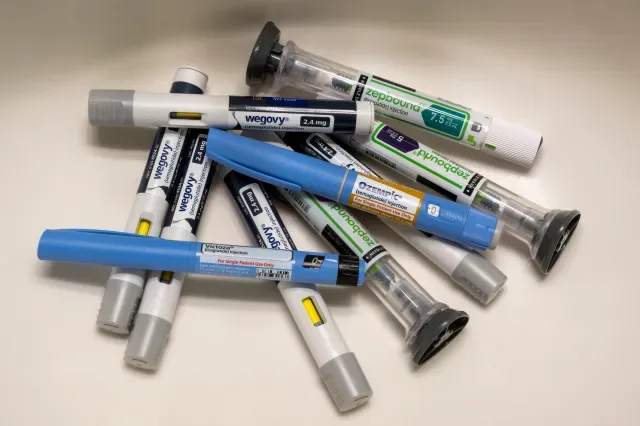
The U.S. government has successfully negotiated a 71% discount on Novo Nordisk's popular drugs Ozempic and Wegovy for Medicare beneficiaries. These price reductions, resulting from recent legislation, will be implemented in 2027, potentially saving millions of dollars.
On this page
Source Information
Originally published by The Spokesman Review.Read the original article →
Read next
Keep exploring
More on Ozempic
Articles covering Ozempic dosing, side effects, and clinical updates.
Medical Insights
People Taking GLP-1 Weight Loss Drugs Like Ozempic and Wegovy Started Moving Less
New data presented at ENDO 2026 reveals a paradox: patients on GLP-1 medications like Ozempic and Wegovy reduced their physical activity despite losing weight.
8 min read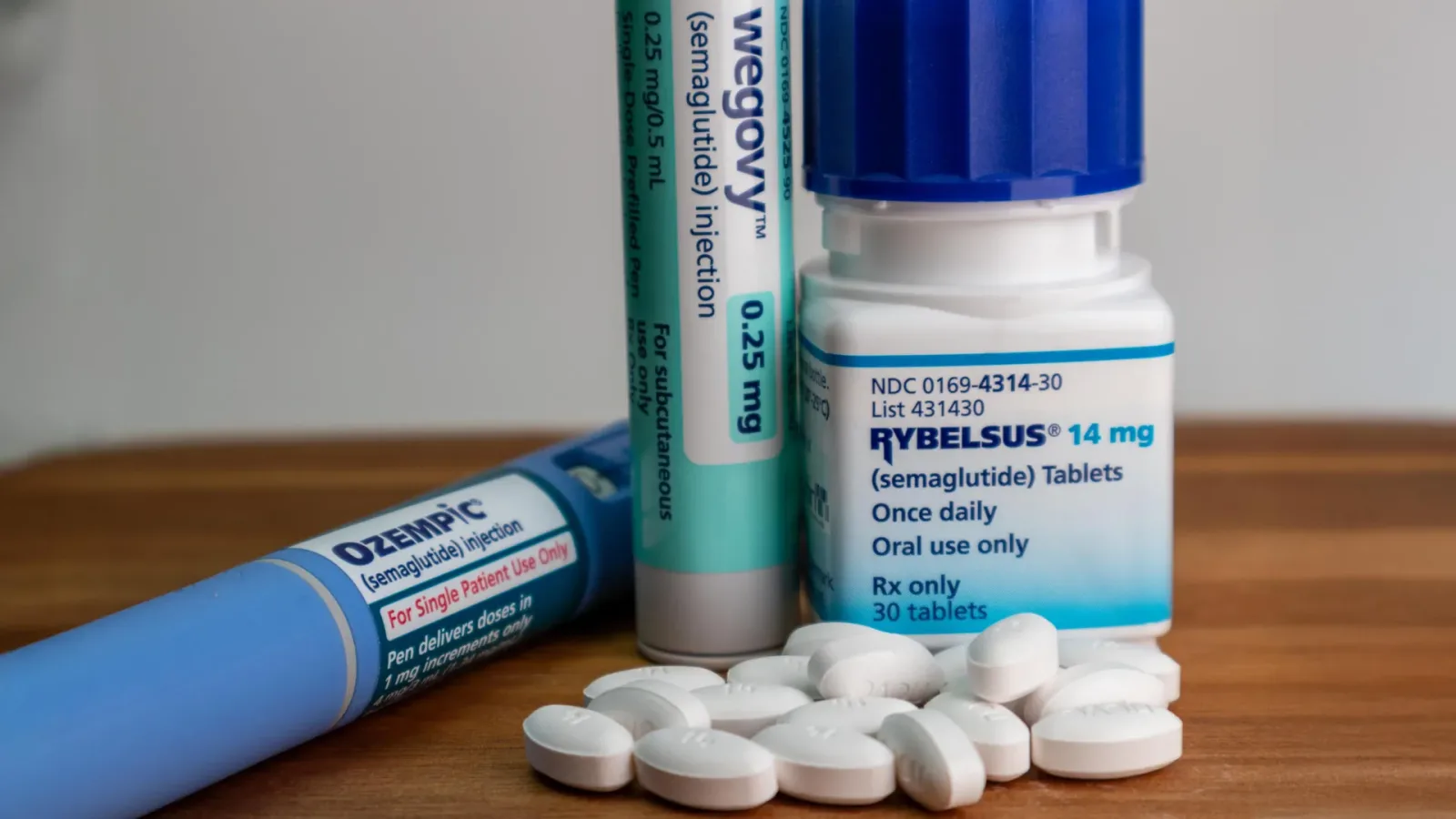
Medical Research
Popular Weight-Loss Drugs Ozempic and Wegovy May Slow Biological Aging
A new clinical trial suggests that semaglutide, the active ingredient in Ozempic and Wegovy, may help slow biological processes associated with aging in adults with HIV.
8 min read
Health & Wellness
Yes, GLP-1s Make You Thinner. But Do They Make You Freer?
While GLP-1 drugs like Ozempic and Wegovy offer significant medical benefits, their rise raises critical questions about freedom, body image, and the cultural pressure to be thinner.
8 min readSame topic: Drug Pricing
Health & Wellness
Ozempic, Wegovy, Mounjaro: Navigating the New GLP-1 Landscape
The landscape of GLP-1 medications for weight loss and chronic disease management is rapidly evolving. From new access programs to shifting pricing dynamics, understanding these advancements is crucial for patients and healthcare providers alike.
6 min read
Healthcare Policy
Supreme Court Ruling: Medicare Drug Price Negotiations Move Forward
In a significant victory for healthcare cost containment, the Supreme Court has allowed Medicare to proceed with negotiating drug prices. This decision upholds a key provision of the Inflation Reduction Act and could impact the cost of many prescription medications, including widely used GLP-1 agonists.
6 min read
Health & Wellness
Navigating Prescription Drug Coupons: Savings or Hidden Costs?
Prescription drug coupons can seem like a straightforward way to save money. However, for individuals with health insurance, these discounts can come with unexpected financial implications. This article delves into the nuances of manufacturer-sponsored coupons, their impact on insurance plans, and how to make informed decisions at the pharmacy counter.
7 min readMore in Healthcare

Healthcare
Generic Drug Manufacturers Eye Price Adjustments as Novo Reduces Wegovy Costs
Following Novo Nordisk's price reduction for its Wegovy injection, generic drug manufacturers are reassessing their pricing strategies. The move comes amid increasing competition in the weight-loss drug market, with potential impacts on affordability and market share.
3 min read
Healthcare
Novo Nordisk Introduces Ozempic in India for Type 2 Diabetes, Prices Aligned to Wegovy
Novo Nordisk has launched Ozempic in India, an injectable semaglutide treatment intended for type 2 diabetes. The company is positioning the drug alongside its obesity medication, Wegovy. Pricing will be similar to Wegovy.
2 min read
Healthcare
Medicare Negotiates Reduced Prices on 15 Common Medications: Will This Save You Money?
The federal government has negotiated lower prices for 15 widely used medications covered by Medicare, potentially cutting spending by 44%. While Medicare enrollees are protected by a cap on drug costs, the new prices could save millions enrolled in the Part D pharmaceutical plan a total of about $685 million.
4 min read